 ×
×
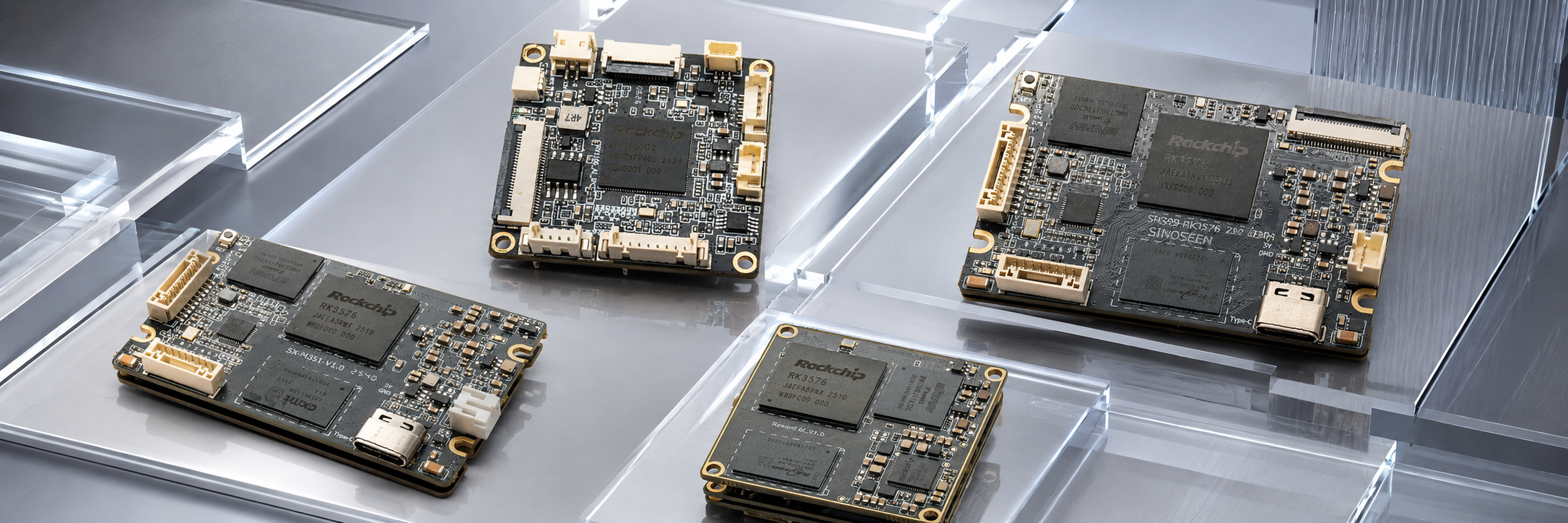
Selecting the right embedded board is one of the most critical decisions in electronics development. Whether you are prototyping a proof-of-concept or scaling toward production, the wrong choice can cost months of rework and significant budget overruns. An embedded board serves as the computational foundation for your device, handling processing power, connectivity, and integration with peripherals. This decision affects not only your immediate project timeline but also your long-term product roadmap and cost structure.
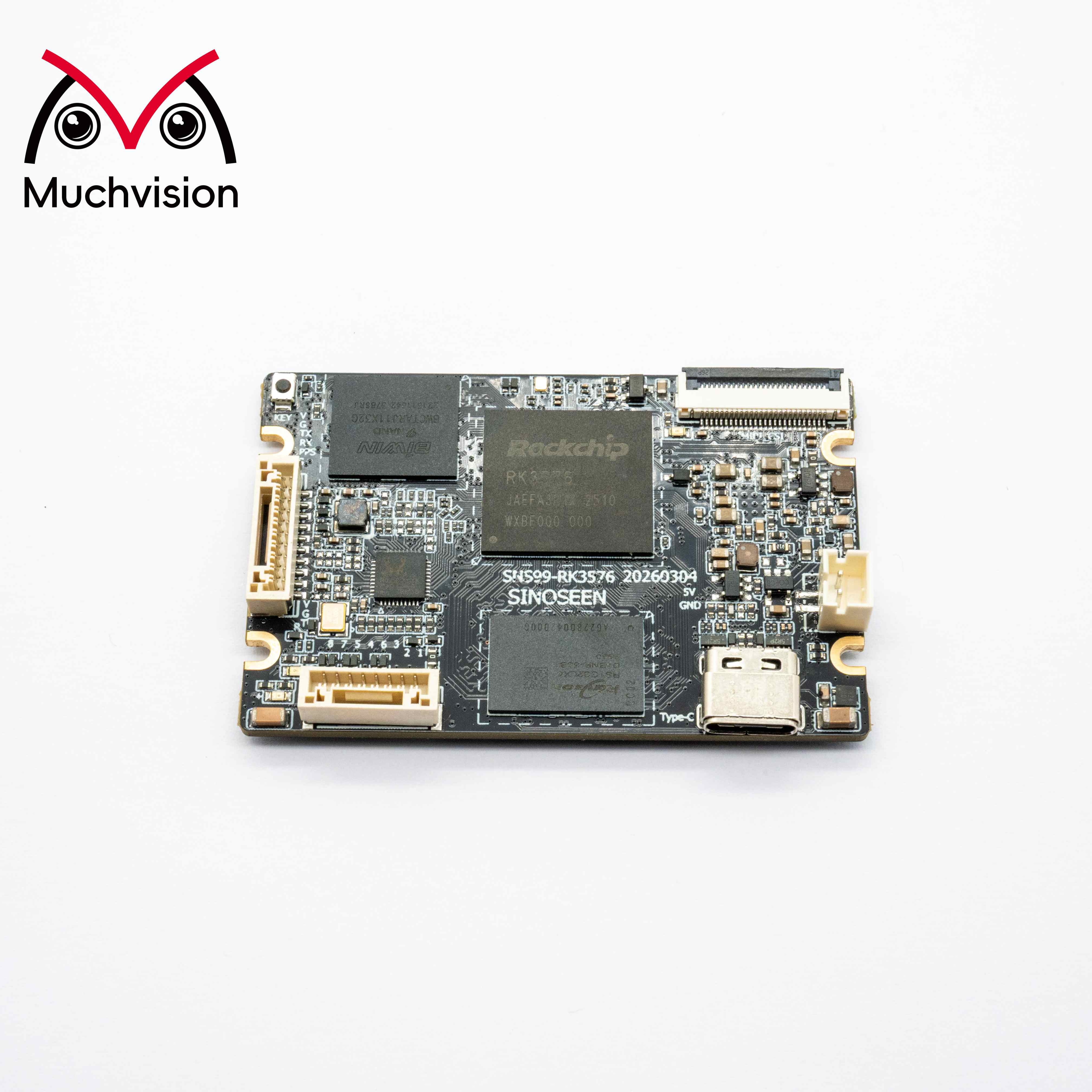
The process of choosing an embedded board requires careful assessment of processor performance, power consumption, connectivity options, thermal management, and real-world scalability. As we move into 2026, embedded boards are evolving rapidly with advances in AI capabilities, edge computing, and multicore architectures. Understanding the distinction between prototyping boards and production-ready systems is essential, as the requirements and constraints differ significantly. This guide will help you navigate the comparison factors, OEM partnerships, and technical considerations needed to make an informed decision aligned with your project goals.
Performance requirements vary dramatically depending on your application domain. For IoT sensors or lightweight data logging, a low-power microcontroller may suffice. For AI inference, computer vision, or real-time signal processing, you need a board with robust CPU cores, GPU acceleration, or dedicated neural processing units. When evaluating embedded board specifications, focus on metrics like FLOPS (floating-point operations per second), memory bandwidth, and cache architecture. These metrics directly influence whether your application will run smoothly or face bottlenecks during peak workload.
Power consumption is equally critical, particularly for battery-powered or thermally constrained environments. An embedded board that dissipates 25 watts may be acceptable in an industrial cabinet but unsuitable for a wearable or mobile deployment. The thermal footprint of your embedded board affects cooling costs, enclosure design, and operational reliability. During the prototyping phase, you can validate power profiles in controlled lab settings, but production deployments expose edge cases and thermal stresses that become apparent only at scale. Selecting a board with headroom in power efficiency ensures flexibility as your product evolves.
Modern applications demand seamless integration with wireless protocols, cloud infrastructure, and sensor networks. An embedded board must provide not only the physical ports—USB, Ethernet, SPI, I2C—but also robust driver support and ecosystem maturity. The comparison between boards often hinges on peripheral availability and software quality. A board with more connectivity options but immature driver support can become a productivity bottleneck, while a simpler board with excellent documentation accelerates development. Verify that your chosen embedded board has active community support, comprehensive datasheets, and reference designs relevant to your application.
For OEM manufacturing, embedded board selection must consider supply chain stability and long-term availability. OEM partners require boards with extended product lifecycles, predictable availability, and minimal design obsolescence. Boards discontinued after 2–3 years force costly redesigns and regulatory re-certification. Evaluate the supplier's track record, assess their production capacity, and confirm contractual commitments around minimum order quantities and lead times. This protects your production roadmap from sudden market disruptions.
Prototyping boards prioritize ease of use, quick iteration, and cost-effective experimentation. Development boards often come with extensive software support, example code, and community resources that accelerate time-to-first-results. During prototyping, you can tolerate higher power draw, larger physical dimensions, and even higher unit costs because you are building only a handful of units. The embedded board you select for prototyping should minimize friction: good documentation, accessible tooling, and abundant online examples matter more than production-grade efficiency.
However, prototyping boards are rarely optimized for production-scale manufacturing. They often use standard connectors, multiple discrete components, and large footprints unsuitable for compact consumer devices. Using a prototyping-grade embedded board in production introduces unnecessary cost, unreliability, and supply chain vulnerability. As your project transitions from proof-of-concept toward pilot production, you must plan a board redesign or migration strategy. This transition is where many teams encounter unexpected delays because the prototyping board was never intended to scale.
Production embedded boards are engineered for manufacturability, cost optimization, and supply chain resilience. They use compact form factors, integrated power management, and custom PCB layouts tailored to your specific application. OEM-suitable boards undergo rigorous testing for electromagnetic compatibility, thermal stability, and long-term reliability. The embedded board specification in production must account for component tolerances, temperature ranges, vibration resistance, and regulatory compliance across markets.
The shift toward production requires re-evaluating software stack maturity, driver reliability, and system stability under continuous operation. While a prototyping board might tolerate occasional firmware crashes or intermittent connectivity, production systems must run unattended for months or years. Your embedded board choice must support industrial-grade operating systems, deterministic scheduling, and robust error handling. For 2026 deployments, consider boards with integrated security features, attestation capabilities, and firmware update mechanisms that meet modern cybersecurity standards and regulatory frameworks.
A structured comparison of embedded board candidates requires evaluating multiple dimensions simultaneously. Create a matrix that includes processor architecture, clock speed, memory capacity, thermal design power, supported operating systems, wireless connectivity, and cost at your target volume. For OEM partnerships, add criteria like supply chain stability, end-of-life roadmap clarity, technical support SLAs, and minimum order quantities. Weight each criterion based on your application priorities—a power-constrained IoT device values efficiency differently than a high-throughput edge server.
As 2026 approaches, embedded board technology emphasizes AI acceleration, heterogeneous computing, and security hardening. Look for boards with neural processing engines, trusted execution environments, and hardware-backed cryptography. The embedded board landscape is converging on open standards like ARM architecture, reducing vendor lock-in while maintaining performance parity. Assess how each candidate board aligns with these emerging trends and whether your OEM supplier can support long-term evolution without forced obsolescence.
Selecting an embedded board involves inherent risk: market discontinuation, thermal issues under edge conditions, supply chain disruptions, or performance shortfalls in production environments. Mitigate risk by prototyping with reference designs from multiple vendors, engaging with community forums, and requesting engineering samples before committing to volume production. Document your embedded board selection rationale, including competitive alternatives and the decision factors that led to your choice. This record becomes invaluable if you need to justify a board change or defend design decisions to stakeholders.
Future-proofing your embedded board selection means choosing a platform with active development momentum, expanding software support, and credible roadmap clarity from the supplier. Boards with fragmented driver ecosystems or declining community engagement become technical liabilities. For long-term OEM manufacturing partnerships, prioritize suppliers demonstrating commitment to embedded board innovation, security updates, and feature enhancements. This forward-looking approach ensures your production system remains competitive and maintainable well beyond 2026.
Development boards prioritize rapid prototyping and ease of experimentation, with extensive software support and larger footprints. Production embedded boards are optimized for manufacturability, cost efficiency, thermal management, and long-term supply chain stability. Development boards are ideal for learning and concept validation, while production boards ensure reliability, scalability, and compliance across manufacturing environments.
Supply chain stability is critical for OEM partners because product discontinuation forces costly redesigns and regulatory re-certification. Verify the embedded board supplier's commitment to long-term availability, minimum production volumes they can sustain, and their end-of-life policies. Choose suppliers with proven track records of supporting products for extended lifecycles, ideally providing visibility into inventory levels and production capacity through contractual arrangements.
For 2026, prioritize embedded boards with AI acceleration capabilities, security hardening features like trusted execution environments, and multicore processors supporting edge computing. Ensure the board has robust driver support for emerging wireless standards, integrated power management for efficiency, and compatibility with open-source software ecosystems. Look for vendors demonstrating active development momentum and transparent roadmaps that align with your long-term product vision.
 Hot News
2026-09-21
2026-09-18
2026-09-14
2026-09-13
2026-09-09
2026-09-09

 EN
EN