 ×
×
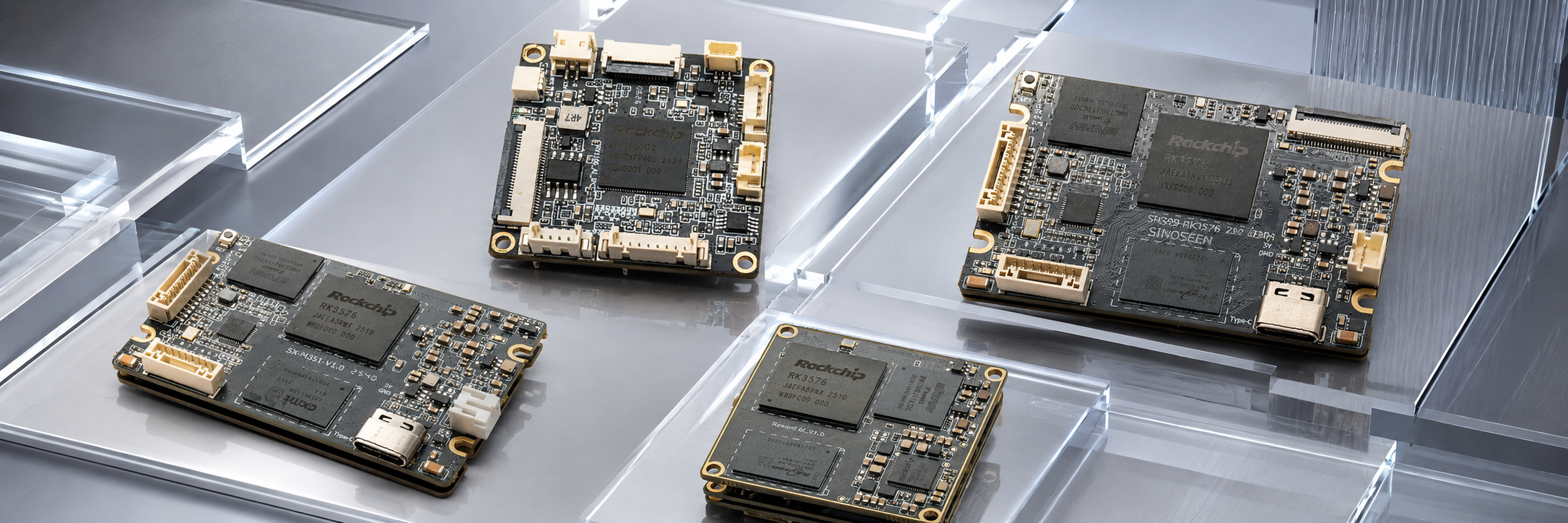
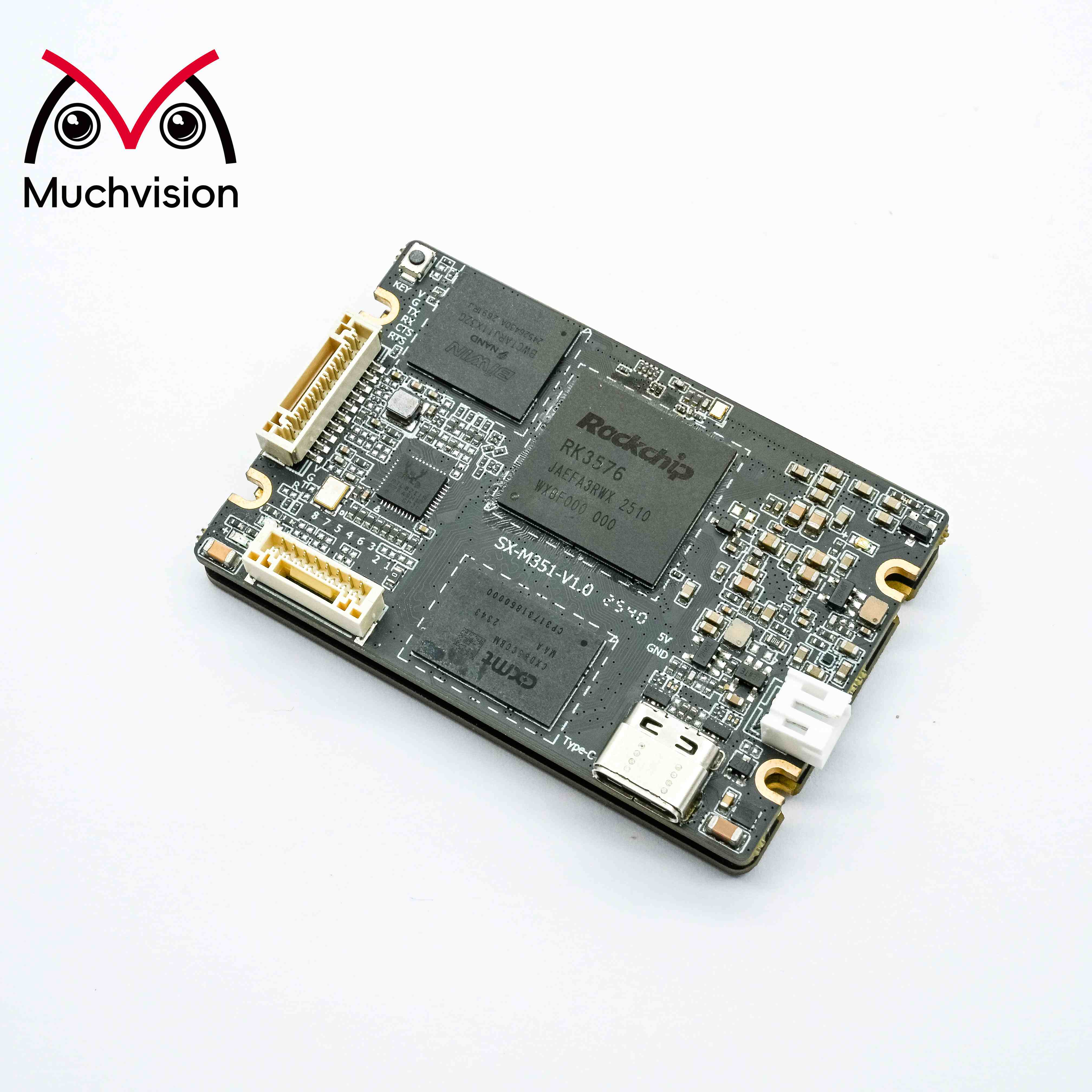
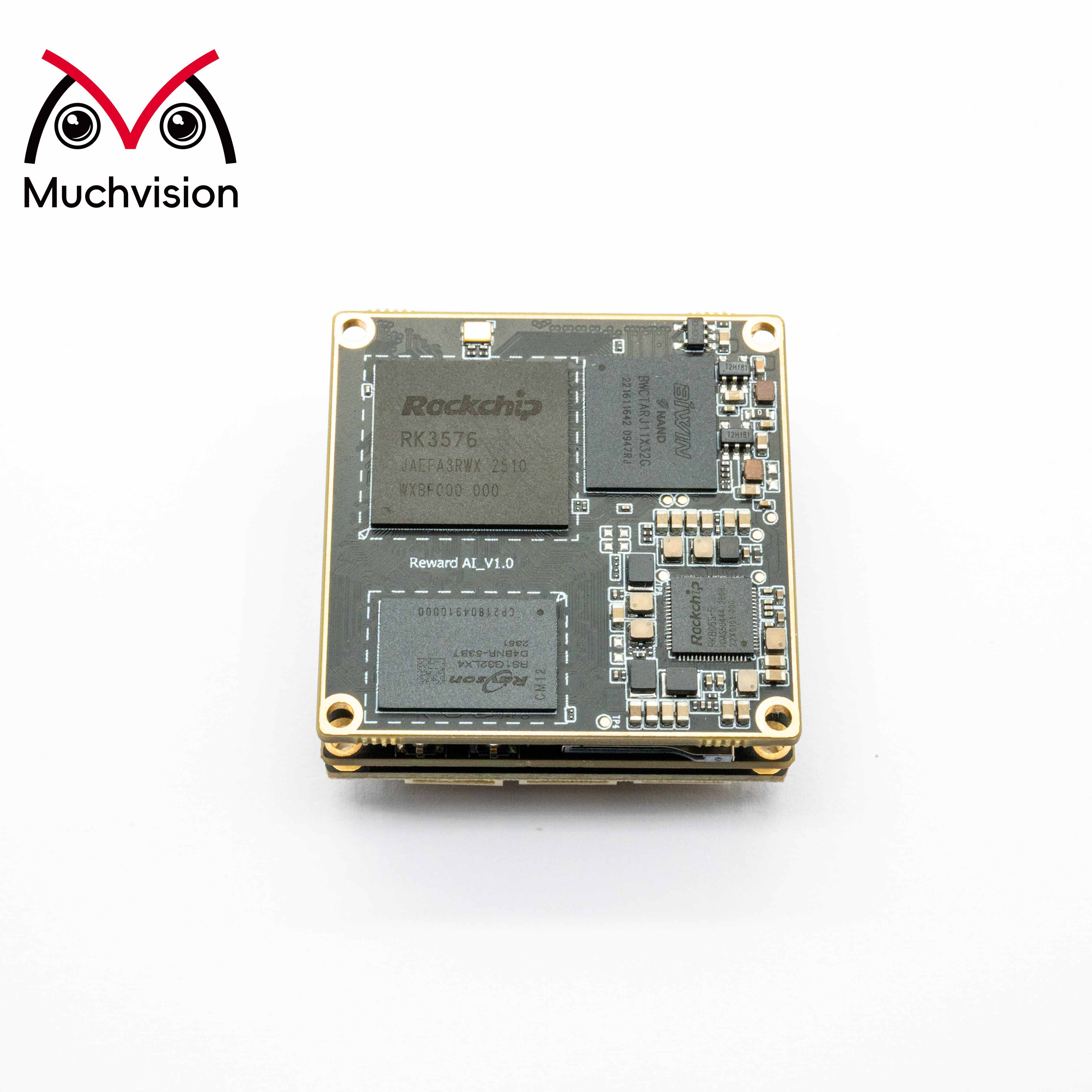
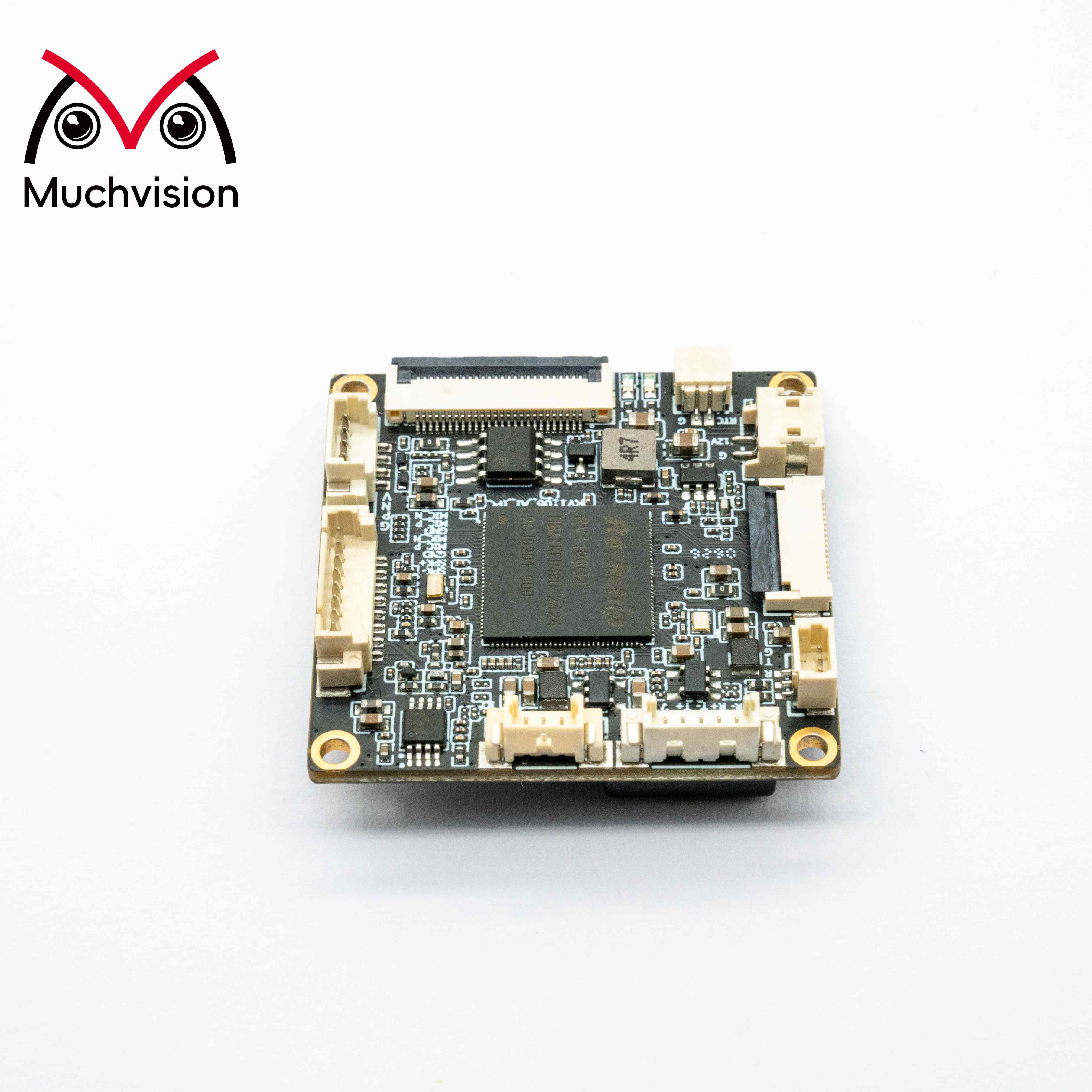
A computer on module represents a complete computing system integrated onto a single circuit board, offering industrial and embedded system developers a modular foundation for rapid deployment. Unlike traditional single-board computers, modules provide flexibility through customization options that allow organizations to tailor hardware capabilities to specific application requirements without investing in full custom silicon development.
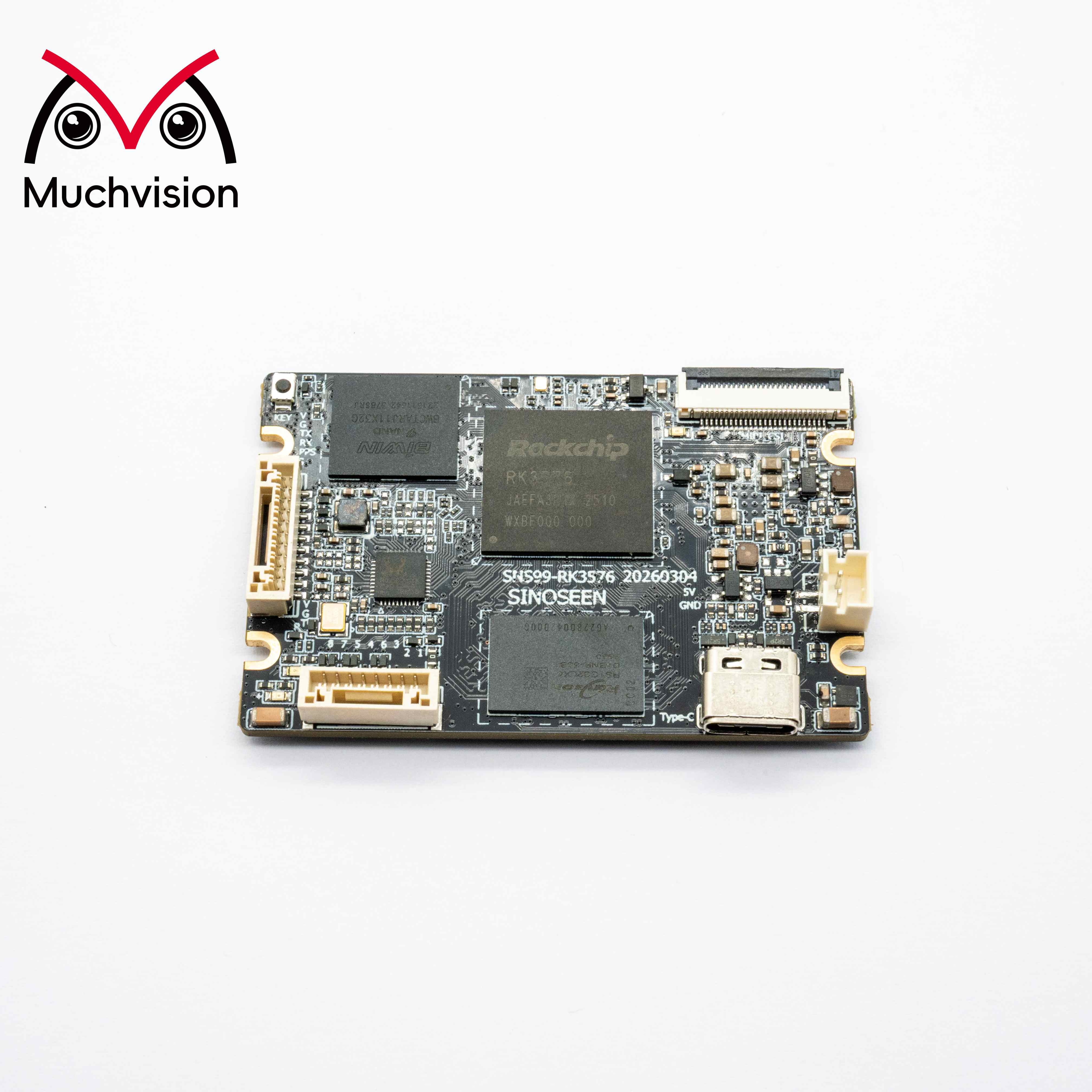
The B2B market for computer on module solutions has grown significantly as enterprises recognize the value of modular architecture in reducing time-to-market and development costs. Leading vendors distinguish themselves through thoughtful design decisions around processor selection, memory configurations, power delivery, and interface standardization. Understanding these differentiation factors enables procurement teams and engineers to identify solutions that align with both current operational needs and future scalability requirements.
Top computer on module vendors offer multiple processor options spanning ARM, x86, and specialized architectures to serve diverse workload profiles. The design philosophy behind processor selection determines whether a module suits real-time industrial control, edge artificial intelligence processing, or general-purpose computing. Vendors who provide transparent documentation around instruction set compatibility, thermal characteristics, and power consumption profiles help B2B customers make informed decisions faster.
Customization extends to core count, cache hierarchy, and frequency scaling options that vendors can tune for specific applications. A module designed for video surveillance may benefit from quad-core ARM processors with GPU acceleration, while industrial automation scenarios might prioritize deterministic real-time performance over raw throughput. Leading vendors offer design consultations to match processor specifications to application requirements before manufacturing begins.
The integration guide provided by reputable vendors clarifies how memory bandwidth, capacity, and technology choices impact system reliability and performance. Some modules support LPDDR5 for mobile-class efficiency, while others prioritize DDR5 for maximum bandwidth in data-intensive scenarios. Storage options ranging from eMMC for cost-sensitive deployments to NVMe for high-performance requirements represent critical customization decisions that vendors allow customers to specify during procurement.
Computer on module vendors distinguish themselves through connector standardization that supports future carrier board development and ecosystem flexibility. The design of physical interfaces—including high-speed PCIe lanes, Ethernet ports, USB configurations, and specialized industrial protocols—reflects vendor understanding of B2B integration challenges. Modular connector approaches allow customers to select only the interfaces required for their specific application, reducing cost and complexity in carrier board design.
Advanced vendors provide detailed integration documentation that clarifies electrical specifications, signal integrity considerations, and layout guidelines for carrier board development. This guide-level detail accelerates time-to-market by eliminating design uncertainty and supporting both internal engineering teams and contract manufacturers. The ability to customize I/O configurations without full redesign represents a significant advantage for vendors serving diverse industrial verticals.
Leading computer on module providers offer modular architecture that supports feature expansion through daughter cards, GPIO expansion modules, and specialized accelerators. This design philosophy enables customers to enhance capabilities without replacing the entire module, creating a long-term technology platform rather than a static component. B2B customers appreciate this approach because it reduces inventory complexity and protects development investment across multiple product generations.
Differentiation among computer on module vendors often centers on power delivery architecture that balances efficiency with thermal management requirements. Premium designs include integrated power monitoring, dynamic voltage scaling, and multi-rail power distribution that vendors optimize for specific processor families. This level of customization proves critical in battery-powered or thermally constrained environments where energy efficiency directly impacts product viability.
The design of power delivery circuits influences not only system efficiency but also electromagnetic compatibility and signal integrity across the module. Vendors offering customizable power configurations—including optional battery backup circuits, wide input voltage support, or specialized automotive-grade conditioning—serve broader B2B market segments. Integration complexity decreases when vendors provide power-optimized modules matched to specific application classes.
Top computer on module vendors provide customization options for thermal dissipation ranging from passive designs for fanless systems to active cooling solutions for high-performance deployments. The mechanical design of mounting interfaces, heat spreader geometry, and thermal pad selection represents a guide to engineering choices that directly impact reliability in field environments. B2B customers often require specific thermal certifications or operating temperature ranges that vendors must support through intelligent design trade-offs.
Top vendors provide design flexibility that allows customers to specify processor selection, memory capacity, storage technology, I/O configurations, and power delivery characteristics during the procurement phase. This guide-level customization means customers receive modules optimized for their specific application class rather than generic solutions requiring adaptation. The B2B integration process becomes more efficient when vendors support both standard catalog options and semi-custom variants.
Leading vendors distinguish themselves by providing comprehensive integration documentation that covers electrical specifications, carrier board design guidelines, software support, and system-level optimization. A thorough design guide accelerates development timelines by clarifying interface requirements, power delivery considerations, and thermal management strategies upfront. B2B procurement teams value vendors who transparently document customization options and integration pathways.
Modular architecture allows organizations to scale system capabilities through expansion options without full redesigns, protecting development investment and reducing time-to-market for product variants. The B2B design philosophy supporting modular enhancement enables customers to adapt to evolving requirements, new sensor technologies, or increased performance demands. Top vendors recognize this integration strategy as critical for long-term customer success in dynamic industrial markets.
 Hot News
2026-09-21
2026-09-18
2026-09-14
2026-09-13
2026-09-09
2026-09-09

 EN
EN