 ×
×
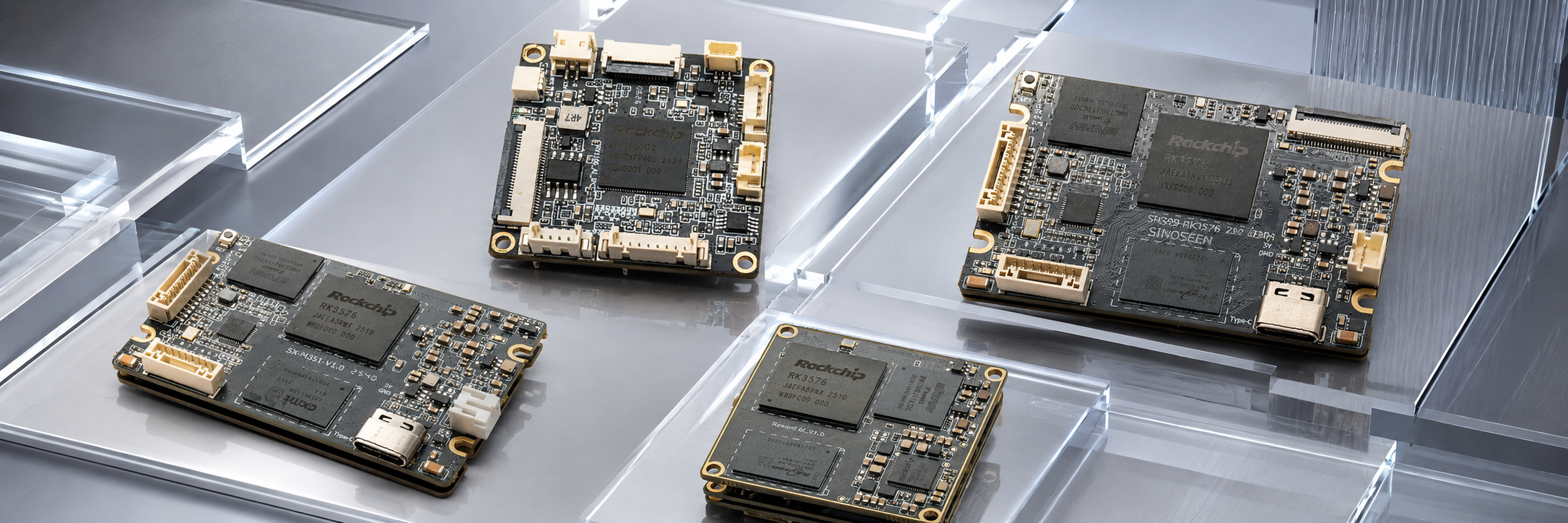
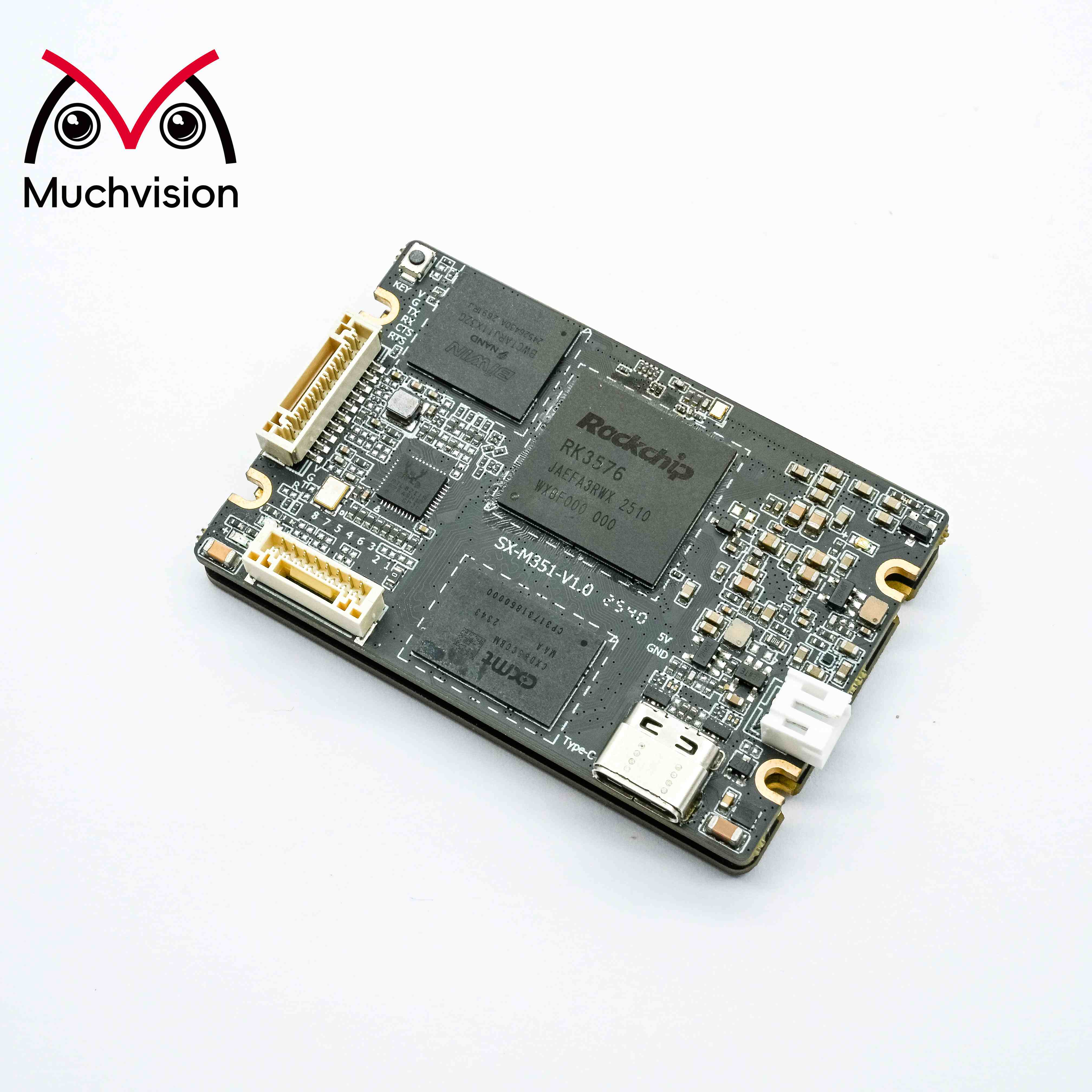
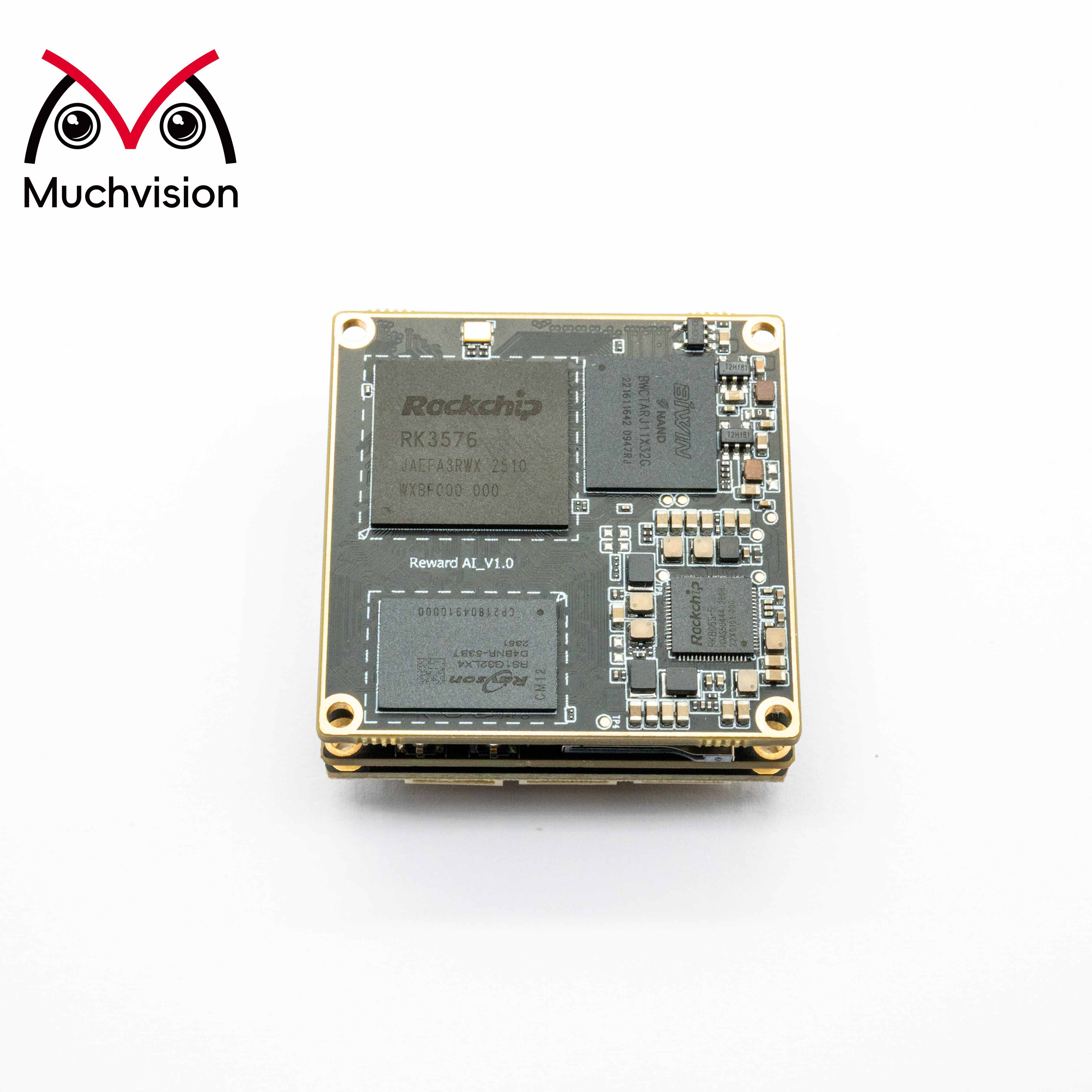
Selecting the right ARM Cortex-A76 board for AI edge workloads requires careful technical assessment and understanding of your specific deployment requirements. The ARM Cortex-A76 board architecture has become a cornerstone for edge AI applications, offering the processing power needed for real-time inference while maintaining energy efficiency. Unlike traditional cloud-based AI solutions, edge deployment demands hardware that balances computational capability with thermal management and power consumption constraints.
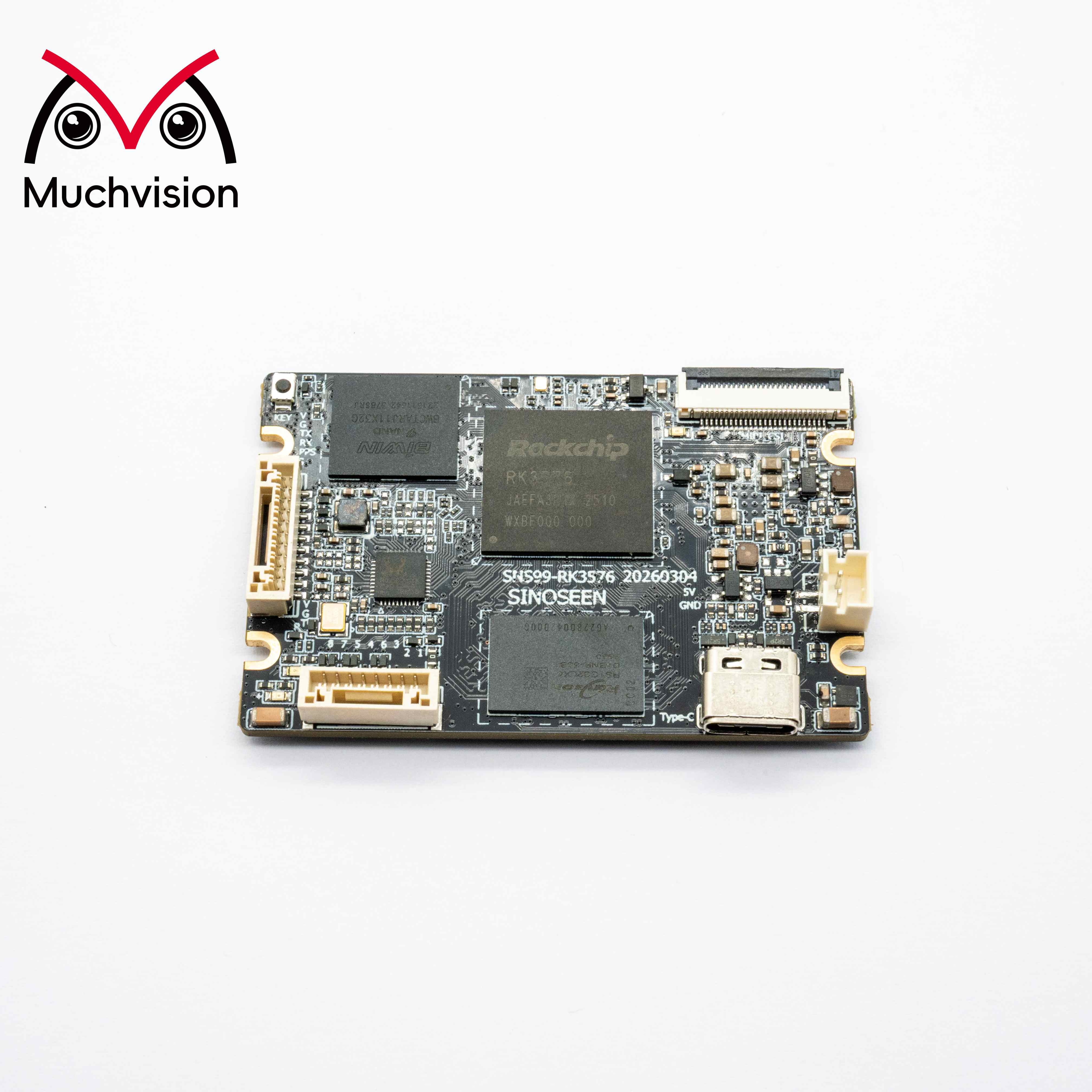
When evaluating an ARM Cortex-A76 board for your AI applications, you must examine multiple dimensions beyond raw processing speed. The specs of your chosen hardware will directly influence model latency, throughput, and whether you can achieve your business objectives. Edge AI workloads range from computer vision to natural language processing, and each category places different demands on memory bandwidth, CPU core count, and accelerator availability. Understanding these requirements upfront ensures your ARM Cortex-A76 board investment delivers measurable value.
The ARM Cortex-A76 board's CPU architecture determines baseline inference performance for your AI edge deployment. Most boards featuring ARM Cortex-A76 cores operate at clock speeds between 2.0 and 2.6 GHz, with variations depending on thermal headroom and power budget. When comparing specs, verify the number of active cores—typically ranging from quad-core to octa-core configurations—and whether the board supports heterogeneous processing, such as pairing high-performance cores with efficiency cores. This core configuration directly affects power consumption under sustained AI workload operation.
Memory subsystem specs significantly impact AI inference throughput, especially for models exceeding available L3 cache capacity. ARM Cortex-A76 board implementations typically feature 4 to 8 MB of shared L3 cache alongside per-core L2 caches. The LPDDR4 or LPDDR5 memory interface bandwidth—measured in gigabytes per second—determines how quickly your edge AI models can access weights and activations. Insufficient memory bandwidth creates a processing bottleneck, particularly for edge AI applications requiring frequent memory access patterns. Conduct a comparison of memory specs across candidate boards to identify configurations matching your model's bandwidth requirements.
Modern ARM Cortex-A76 board designs frequently integrate dedicated neural processing units or AI accelerators to offload inference workloads. These specialized accelerators, often supporting quantized and integer-based AI models, dramatically reduce latency and power consumption compared to pure CPU execution. When evaluating edge AI boards, examine the accelerator's supported data types—INT8, INT16, FP16, or BF16—and whether it aligns with your model optimization strategy. A robust comparison should weigh accelerator specifications against the specific AI frameworks and model formats your applications require.
The ARM Cortex-A76 board's value for AI edge deployment depends heavily on available software tools and framework support. Verify that candidates support TensorFlow Lite, ONNX Runtime, or other edge AI frameworks relevant to your development pipeline. Operating system options—Linux, Android, or real-time alternatives—influence deployment complexity and feature availability. Additionally, check whether the manufacturer provides optimized libraries, developer documentation, and reference implementations for common AI use cases. Strong software ecosystem support reduces your time-to-deployment and simplifies model porting across hardware variants.
Thermal design power specifications indicate maximum heat dissipation during peak AI workload execution. ARM Cortex-A76 board implementations typically feature thermal design power ratings between 5 and 15 watts, varying with core count and clock frequency. In edge deployment scenarios requiring continuous operation—such as industrial monitoring or surveillance systems—sustained thermal performance becomes critical. Evaluate whether the board includes passive heatsinks, active fans, or both, and whether thermal throttling occurs under sustained AI edge workloads. A detailed comparison of cooling capabilities ensures your chosen board maintains performance consistency without thermal-induced performance degradation.
Battery-powered edge AI deployments require careful power consumption evaluation across idle, operational, and peak load states. ARM Cortex-A76 board specs should specify power draw for different scenarios—standby, typical AI inference, and maximum load. Many edge AI systems benefit from dynamic voltage and frequency scaling to balance performance against energy draw. Comparison of power profiles helps identify boards offering the best active power efficiency for your duty cycle. Consider whether sleep states and peripheral power gating align with your deployment's operational patterns, particularly for remote edge AI installations requiring battery autonomy.
The physical form factor of your ARM Cortex-A76 board determines integration feasibility in edge deployment environments. Compact designs facilitate mounting in constrained spaces, such as manufacturing equipment or remote sensor nodes. Evaluate available interfaces—PCIe, USB, Ethernet, and camera interfaces—to ensure connectivity with your edge AI peripherals and sensors. A comparison of form factors and I/O options helps identify boards that fit physical and logistical requirements without requiring custom adaptation or external adapters.
Industrial edge AI deployments often require hardware meeting specific environmental standards. Verify operating temperature ranges, humidity tolerance, and vibration resistance specs for your deployment context. ARM Cortex-A76 board manufacturers typically provide environmental compliance documentation confirming suitability for industrial, automotive, or embedded applications. Comparison of reliability ratings and mean time between failures helps assess long-term operational stability and support expectations.
Quantized deep learning models, particularly convolutional neural networks for computer vision tasks, demonstrate strong performance on ARM Cortex-A76 architectures. Lightweight model architectures like MobileNet, SqueezeNet, and YOLO variants are specifically optimized for ARM Cortex-A76 board deployment, achieving excellent inference latency for edge AI applications. When planning your AI edge workload, prioritize model architectures and quantization strategies proven compatible with ARM Cortex-A76 specifications and accelerator capabilities.
Effective board comparison begins with documenting normalized specs across CPU cores, clock speed, memory bandwidth, accelerator capabilities, power consumption, and thermal characteristics. Create a detailed comparison matrix listing these specifications side by side, then benchmark candidate boards using representative AI inference workloads from your deployment scenario. This practical comparison approach reveals real-world performance differences that raw specs alone cannot convey, helping identify the optimal ARM Cortex-A76 board for your edge AI requirements.
Multi-model deployment feasibility depends on your ARM Cortex-A76 board's available memory, processor capacity, and software framework capabilities. With sufficient DRAM and heterogeneous processing resources, edge AI boards can execute multiple inference pipelines concurrently, though latency and throughput vary with model complexity. Evaluate memory overhead for each model and CPU utilization patterns across your AI edge workloads to determine realistic concurrent deployment scenarios on your chosen board.
 Hot News
2026-09-21
2026-09-18
2026-09-14
2026-09-13
2026-09-09
2026-09-09

 EN
EN