 ×
×
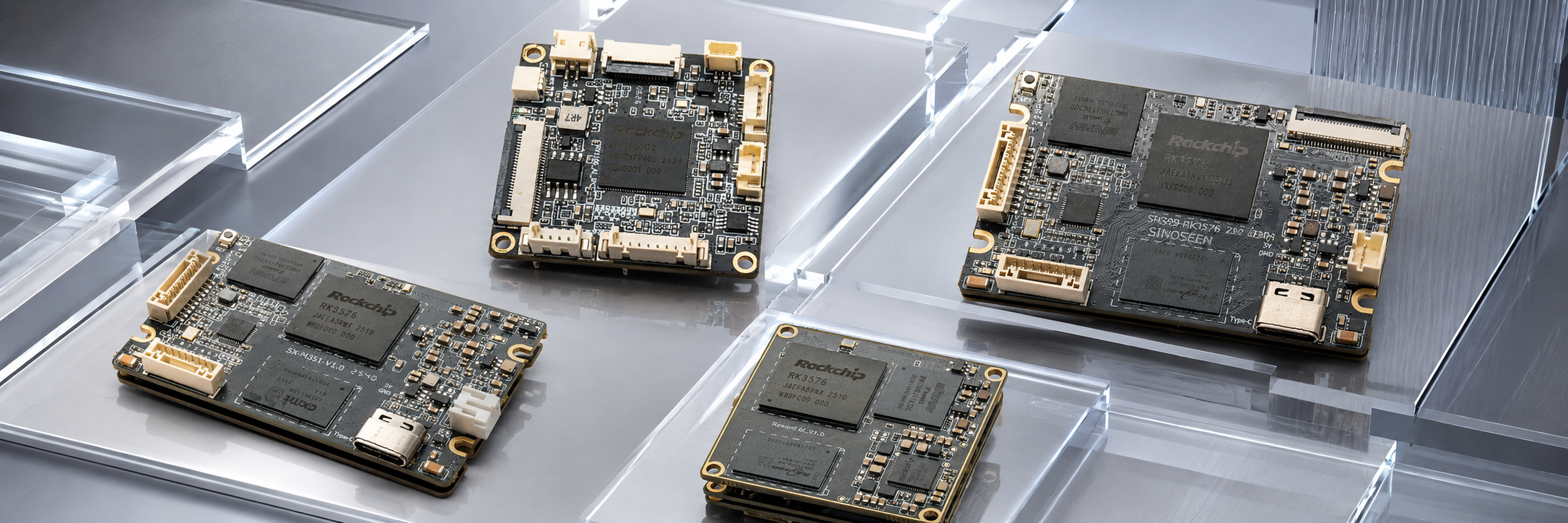
Selecting the right arm linux board for your embedded product development requires careful evaluation of performance specifications, software maturity, power consumption, scalability, and long-term vendor support. The choice directly impacts your product's time-to-market, development costs, and ability to scale production efficiently. This guide helps you navigate the decision process systematically.
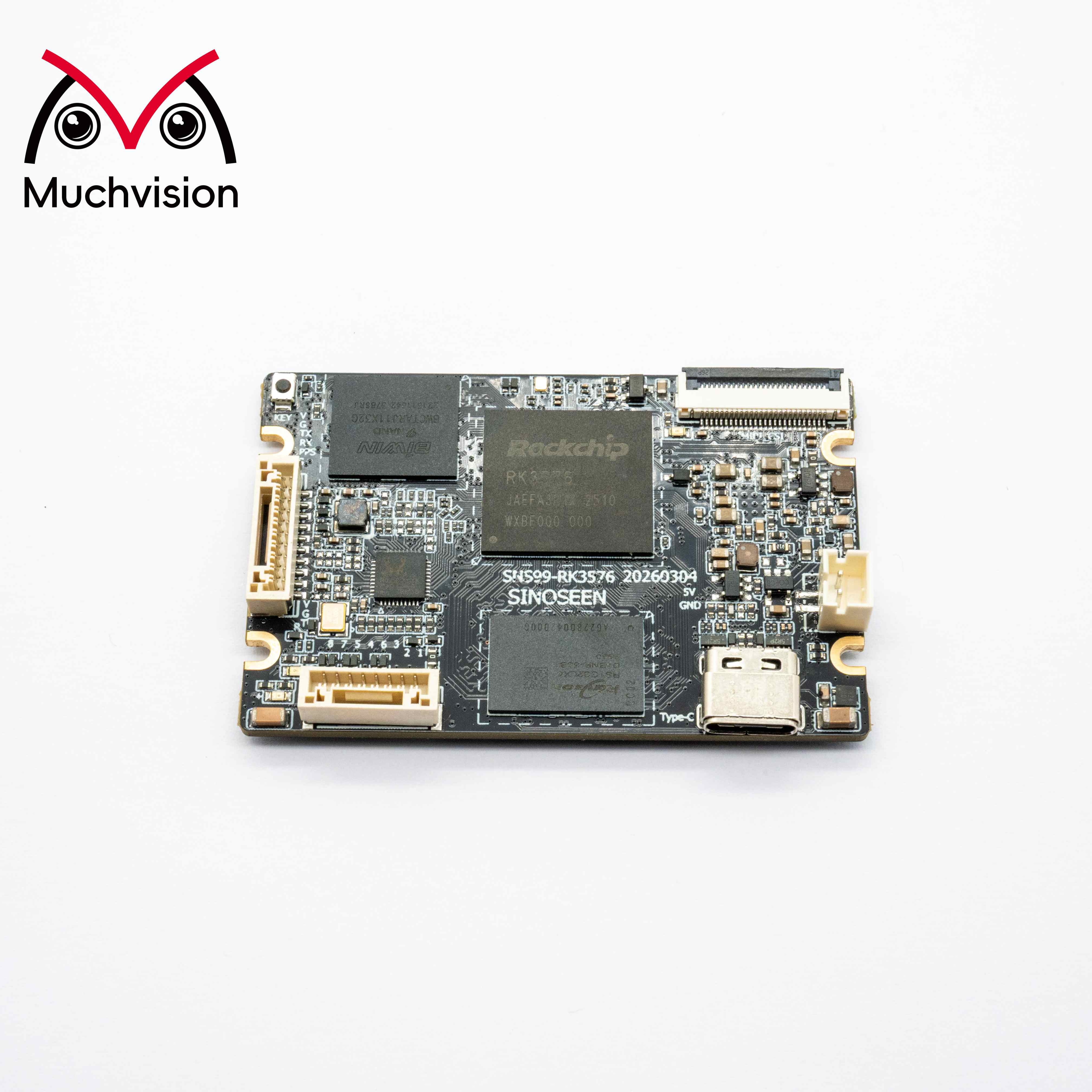
An embedded ARM Linux system forms the foundation of modern IoT devices, industrial controllers, robotics platforms, and AI-powered edge solutions. The right board selection determines whether your development team can iterate quickly, whether your supply chain remains stable, and whether your eventual product meets cost and performance targets. This comparison and guide focuses on identifying the core criteria that matter most for your specific application context.
ARM processors come in multiple generations and performance tiers. Entry-level ARMv7 boards suit simple data logging, sensor monitoring, and basic gateway applications where sustained performance is moderate. High-performance ARMv8 64-bit architectures support AI inference, video processing, and multi-threaded workloads that demand consistent throughput. Your comparison process should start by mapping your application's computational requirements against real-world benchmarks, not theoretical peak specifications. Test actual workloads on candidate boards when possible, especially if your embedded product involves machine learning or real-time signal processing.
RAM capacity, storage type, and peripheral connectivity directly affect both development velocity and production flexibility. An ARM Linux board with insufficient RAM forces aggressive code optimization early in development, delaying feature validation. Conversely, over-provisioning memory increases component cost and power draw unnecessarily. The guide emphasizes matching RAM to your application's peak working set, not aspirational future versions. Similarly, native storage options (eMMC, NVMe, or microSD) determine whether your firmware update process, boot performance, and edge analytics capabilities meet customer expectations. Verify that your chosen board supports the precise I/O interfaces your sensors, actuators, and external systems require.
Not all ARM Linux boards ship with equally mature operating system support. Mainstream distributions like Ubuntu, Debian, and Yocto provide extensive package repositories and community troubleshooting resources, whereas niche or custom distributions may isolate you from broader ecosystem tools. Check whether the board manufacturer provides regular kernel updates, security patches, and multi-year support commitments aligned with your product roadmap. An OEM that publishes transparent long-term support timelines gives you confidence that your embedded product won't face premature obsolescence or unsupported edge cases during production deployment. Request specific end-of-life dates for both hardware and associated software packages.
Mature ARM Linux boards have thriving developer communities, published reference designs, and comprehensive documentation that accelerate time-to-market. Boards with limited documentation, sparse example code, or infrequent forum activity indicate potential adoption friction. Compare the availability of hardware-specific drivers, cross-compilation toolchains, and debugging interfaces across your candidate boards. An OEM's willingness to share board schematics, device tree sources, and bootloader code signals commitment to developer success. Test the development tools personally before committing to large production volumes.
Your guide should explicitly address supply chain viability as a core decision factor. An ARM Linux board optimized for hobbyist use may not scale reliably to 10,000-unit annual volumes or maintain stable pricing across multiple production runs. Evaluate whether the OEM publishes multi-year demand forecasts, maintains safety stock, or participates in supplier allocation programs during component shortages. Request historical pricing data and lead-time commitments under various volume scenarios. Production-grade boards often cost more per unit initially but provide predictable supply, volume discounts, and reduced integration risk that compound significant cost savings across your product lifecycle.
Energy consumption directly translates to battery life in portable embedded products and cooling costs in industrial deployments. Compare the board's measured power draw across idle, typical, and peak load conditions against your product's power budget. Thermal testing under representative ambient conditions reveals whether passive cooling suffices or whether active thermal management becomes necessary. A guide comparing power profiles across candidate boards highlights often-overlooked trade-offs between processing capability and energy efficiency. Modern ARM Linux boards designed for edge AI and 2026 IoT deployments increasingly prioritize low-power operation, making thermal management a core competitive advantage rather than an afterthought.
Production success depends not just on board specifications but on how effectively the OEM supports integrators during development and deployment phases. A guide focused on this comparison dimension should evaluate whether the vendor offers direct technical support channels, provides on-site training for volume customers, and maintains technical documentation at production maturity. Request responses to specific integration questions and assess reply times and solution depth. Some vendors provide reference designs for common applications, dramatically reducing your time-to-market and validation burden. Others leave integrators to reverse-engineer undocumented hardware behaviors, extending development cycles and introducing risk.
Many embedded product teams benefit from OEM customization services including board variants, firmware pre-loading, accelerated certification support, and volume pricing structures. When evaluating an ARM Linux board for production deployment, comparison of available OEM services reveals hidden value beyond raw specifications. Some vendors offer platform-specific AI accelerators, custom I/O expansion, or pre-integrated security features that align perfectly with your application needs. Others maintain rigid product lines with minimal flexibility. Your 2026 development roadmap should account for evolving customer expectations around AI capabilities, security, and connectivity, making vendor flexibility a key strategic consideration.
Most commercial embedded products use mid-range ARM Linux boards with quad-core ARMv8 processors, 2-4 GB RAM, and native support for modern Linux distributions. This tier balances sufficient compute capacity for real-time signal processing and light machine learning against reasonable power consumption and per-unit cost. Hobbyist projects often select lower-cost boards, while specialized applications involving heavy AI workloads or video encoding migrate toward higher-performance platforms. The optimal selection depends entirely on your specific application requirements rather than generic industry trends.
Production-grade ARM Linux boards typically receive active support for 3-7 years from initial release, with extended support periods available from premium OEMs. Consumer-oriented boards may have much shorter support windows. Before committing to a board, request a formal support roadmap specifying kernel update availability, security patch timelines, and end-of-life dates. This comparison ensures your embedded product won't face unsupported security vulnerabilities or incompatibilities during its intended market lifespan. Budget for board replacement or major firmware updates if your product's lifecycle extends beyond published OEM support windows.
By 2026, market expectations for embedded AI, real-time security, and predictive maintenance create new ARM Linux board selection criteria beyond raw processing speed. Boards with integrated AI accelerators, hardware-based security features, and robust Linux ecosystem maturity will increasingly differentiate successful products. Your guide and comparison process should evaluate boards against these emerging requirements rather than historical benchmarks. OEMs investing in long-term software support, security updates, and developer-friendly documentation position customers for sustained competitive advantage as technology expectations evolve.
 Hot News
2026-09-21
2026-09-18
2026-09-14
2026-09-13
2026-09-09
2026-09-09

 EN
EN