 ×
×
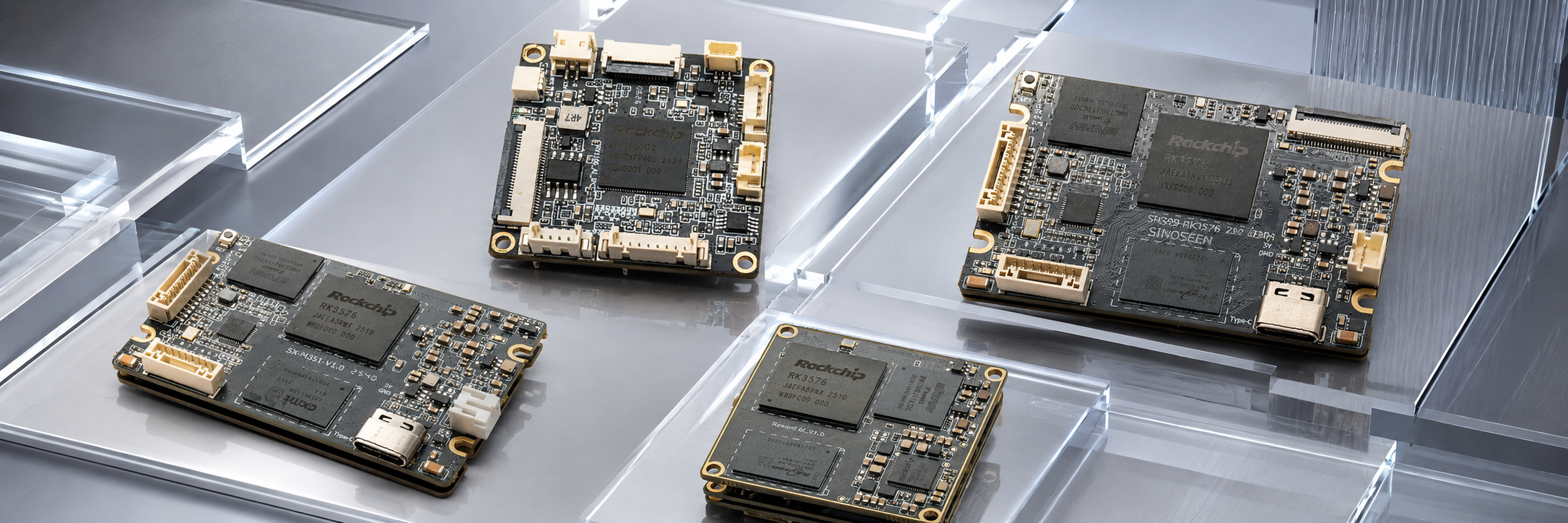
Industrial single-board computers demand exceptional reliability when deployed for continuous operation around the clock. An industrial SBC serving 24/7 workloads must incorporate specific design features that ensure uptime, data integrity, and consistent performance under demanding environmental conditions. Understanding these critical reliability features helps OEM engineers and system integrators select the right platform for mission-critical applications.

The industrial sector relies on robust computing platforms to manage production floors, energy systems, and autonomous equipment. A dependable industrial SBC combines hardware durability with intelligent thermal design, redundancy mechanisms, and fault tolerance capabilities. This 2026 guide explores the essential reliability features that distinguish production-grade systems from consumer-grade alternatives, helping OEM decision-makers align technology choices with operational requirements.
Thermal stability directly impacts reliability in 24/7 industrial environments. An industrial SBC designed for continuous operation typically employs passive cooling solutions that eliminate moving parts, reduce maintenance requirements, and improve mean time between failures. Advanced heatsink designs, thermal interface materials, and intelligent airflow patterns work together to maintain safe operating temperatures even in hot factory environments. Passive thermal design reduces dependency on active cooling components that can fail or require periodic servicing, a critical advantage for unattended remote installations.
Real-time temperature monitoring with automatic throttling mechanisms protects industrial SBC components from thermal stress. When an industrial SBC detects approaching temperature limits, it can dynamically reduce processor frequency and voltage, maintaining safe operation while preserving system availability. This thermal protection prevents sudden shutdowns that would disrupt production processes. Integrated sensors continuously track die temperature, junction points, and external conditions, feeding data into firmware logic that adjusts performance parameters before damage occurs. For OEM applications, this self-healing thermal response minimizes field failures and support costs.
Continuous operation demands power delivery architectures that tolerate grid fluctuations, surges, and momentary outages. An industrial SBC incorporates multiple power rails with independent regulation circuits, ensuring that critical functions remain available even if one channel experiences stress. This comparison of typical consumer versus industrial designs shows that production systems employ isolated power domains for processor, memory, and I/O subsystems. When power stress affects one domain, the isolated architecture prevents cascading failures across the entire platform. OEM engineers rely on this redundancy to guarantee minimum uptime thresholds contractually promised to end customers.
Industrial SBC platforms often integrate supercapacitor backup systems that bridge momentary power gaps during grid events. When main power drops unexpectedly, the supercapacitor provides enough energy for the system to flush critical data to persistent storage, log the event, and perform an orderly shutdown sequence. This prevents data corruption, filesystem damage, and application-state inconsistencies that would require manual intervention to recover. For 24/7 operations in remote locations, this graceful degradation capability is essential. The comparison between systems with and without backup power shows dramatically different uptime profiles in industrial environments prone to power quality issues.
The foundation of reliability begins with component selection. An industrial SBC uses processors, memory modules, and support chipsets rated for extended temperature ranges and qualified for continuous operation. Unlike consumer-grade components rated for occasional use, industrial-grade parts undergo rigorous screening, burn-in testing, and qualification at OEM manufacturing facilities. This 2026 guide emphasizes that sourcing decisions made today directly impact field reliability years into deployment. Processors specified for industrial SBC applications typically carry -40°C to 85°C operating ratings compared to 0°C to 60°C consumer ratings, with documented reliability metrics supporting 24/7 workload projections.
Consistent manufacturing quality ensures every industrial SBC unit meets reliability specifications. Production-grade assembly processes employ automated inspection, electrical testing at thermal extremes, and stress testing protocols that consumer manufacturers skip. Each board undergoes power cycling validation, thermal shock testing, and extended runtime verification before shipment. OEM customers receive detailed test reports documenting performance characteristics of their specific units. This traceability and process discipline mean that reliability expectations established during qualification testing translate directly to field performance. Manufacturing quality control dramatically reduces the variance in mean time to failure across production batches.
For 24/7 operations without human oversight, an industrial SBC must include hardware watchdog timers that automatically recover from software hangs. The watchdog monitor periodically verifies that the operating system is responsive and making progress through its task queue. If the system becomes unresponsive for a configurable timeout period, the watchdog triggers an automatic reboot, restoring service availability within seconds rather than requiring manual intervention hours or days later. This comparison shows that systems with hardware watchdog timers achieve dramatically higher availability metrics in real-world deployments. Intelligent watchdog firmware allows controlled reboot behavior that preserves system state when safe to do so.
Industrial applications increasingly require network connectivity for remote monitoring and updates. An industrial SBC designed for 24/7 reliability incorporates redundant Gigabit Ethernet ports supporting dual-path networking configurations. If one network connection fails, applications can automatically switch to the backup path without interruption. This network redundancy becomes essential for OEM platforms deployed in geographically distributed installations where communication loss creates cascading failures upstream. Ethernet port isolation, independent MAC addresses, and switch-over logic at the firmware level enable seamless failover transparent to application software.
Production-grade industrial SBC systems must operate reliably in temperature ranges from -10°C to 60°C ambient, withstand humidity extremes, tolerate electromagnetic interference, and function under vibration typical of manufacturing equipment. Extended industrial models expand temperature ratings to -40°C to 80°C. The board design includes conformal coating, sealed connectors, and reinforced mechanical mounting to resist shock and vibration. 24/7 continuous operation in harsh industrial environments requires components and packaging specifications that exceed standard commercial product standards.
A hardware watchdog timer provides automatic recovery from software failures without requiring human intervention. The watchdog continuously monitors system responsiveness and triggers automatic reboot if the operating system becomes stuck or unresponsive. For 24/7 unattended operations, this autonomous recovery mechanism is essential because equipment cannot wait for technician response during outages. Watchdog functionality has been proven in industrial deployments to reduce mean time to recovery from hours to seconds, directly improving overall system availability metrics and customer satisfaction.
OEM customers deploying industrial SBC platforms in production environments cannot tolerate single points of failure that would halt their entire operation. Redundancy in power delivery, network connectivity, and monitoring mechanisms ensures that localized failures do not cascade into system-wide outages. Comparison data from field deployments shows that systems with redundant architecture achieve significantly higher availability percentages, lower support costs, and reduced warranty claim rates. For OEM manufacturers contractually responsible for uptime guarantees, redundancy transforms theoretical reliability into demonstrated business value.
 Hot News
2026-09-21
2026-09-18
2026-09-14
2026-09-13
2026-09-09
2026-09-09

 EN
EN