 ×
×
AI ویژن اطلاقیات کی تیزی سے پیش رفت کے ساتھ، ملٹی کیمرہ حل (اسٹیریو، چار کیمرہ اور یہاں تک کہ زیادہ کیمرہ چینلز) ڈیٹا حاصل کرنے، سیکیورٹی نگرانی، صنعتی معائنہ، روبوٹ کا ادراک اور ایج کمپیوٹنگ جیسے مندرجہ ذیل منصوبوں میں وسیع پیمانے پر اپنایا جا رہا ہے۔ بہت سے منصوبے ہارڈ ویئر کے انتخاب کے دوران ایک عام غلطی میں مبتلا ہو جاتے ہیں: صرف چِپ کی کمپیوٹنگ طاقت پر توجہ مرکوز کرنا اور یادداشت کی ترتیب کو نظر انداز کرنا۔ اس کے نتیجے میں فریم کا نقصان، AI استنباط میں سستی اور سسٹم کا گرنا جیسے مسائل پیدا ہوتے ہیں۔
کیا بڑی DDR یادداشت ہمیشہ بہتر ہوتی ہے؟ جی ہاں، عملکرد اور مستحکمی کے نقطہ نظر سے۔ تاہم، اس کا منفی پہلو واضح ہے — بجٹ پر بوجھ، خاص طور پر حالیہ DDR قیمت میں اضافے کے پیش نظر۔ حل کے انتخاب کے لیے لاگت کو اصل منصوبہ کی ضروریات کے مقابلے میں متوازن کرنا نہایت اہم ہو جاتا ہے۔
آئیے DDR سائز کرنے میں سب سے عام غلطی پر ایک نظر ڈالیں: یادداشت کا استعمال عام حالات میں کم نظر آ سکتا ہے، لیکن ایک وقت میں بہت سارے کاموں کے ہونے کی صورت میں یہ اچانک بہت زیادہ ہو سکتا ہے، جس کی وجہ سے سسٹم کریش ہو جاتا ہے۔ بہت ساری ٹیمیں ہارڈ ویئر کی جانچ کے لیے اوسط یادداشت کے استعمال کو استعمال کرتی ہیں۔ عام طور پر استعمال ہونے والے AR0234 سینسر کو مثال کے طور پر لیجیے: ایک 1080P کیمرہ آرام کی حالت میں تھوڑی سی یادداشت استعمال کرتا ہے۔ تاہم، جب پورا پائپ لائن — تصویر کی ریکارڈنگ، ISP، AI انفرینسنگ، اور انکوڈنگ — چلایا جاتا ہے، تو اس کی زیادہ سے زیادہ یادداشت کا استعمال فی چینل دسیوں میگا بائٹ تک پہنچ سکتا ہے۔ ایک 4K کیمرہ فی چینل زیادہ سے زیادہ 100 میگا بائٹ سے زیادہ یادداشت استعمال کر سکتا ہے۔ حتی ایک عام HTTP درخواست بھی فی کنکشن کئی میگا بائٹ استعمال کرتی ہے۔ یہ الگ الگ اضافی بوجھ چھوٹے نظر آتے ہیں، لیکن جب ایک وقت میں کئی کیمرے اور کام چلنا شروع ہو جاتے ہیں تو یہ جلدی سے جمع ہو جاتے ہیں۔ اس کی وجہ سے OOM (آؤٹ آف میموری) ہو سکتا ہے، جس کی وجہ سے عملیات بند ہو جاتی ہیں اور سسٹم خراب ہو جاتا ہے۔
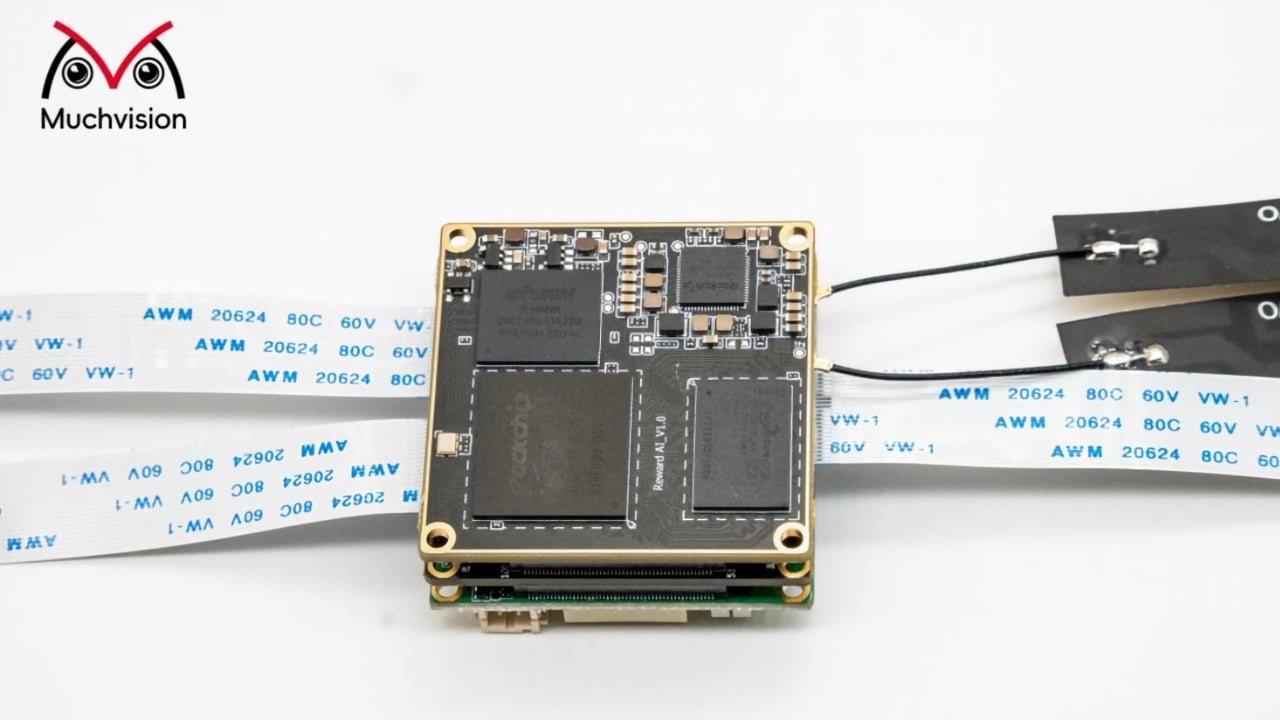
کنارے پر ویژن آلتوں کی یادداشت صرف مصنوعی ذہانت کے ماڈلز کے لیے استعمال نہیں ہوتی۔ یہ تصویر کے حاصل کرنے، ابتدائی تیاری، مصنوعی ذہانت کے استنباط، نظام کی سروسز اور درخواست کے کاموں کے درمیان مشترکہ ہوتی ہے۔ ہر اضافی کیمرے کے چینل کے ساتھ یادداشت کا بوجھ بڑھ جاتا ہے۔
1. تصویر کے بفرز (بوجھ کا سب سے بڑا ذریعہ) ہر کیمرے کی طرف سے پیدا کردہ خام تصویریں، YUV فریمز اور سکیلڈ فریمز یادداشت کا استعمال کرتی ہیں۔ AR0234 کے لیے جو 1080P@30fps پر کام کر رہا ہو، ایک واحد YUV فریم کئی میگا بائٹس کی یادداشت استعمال کرتا ہے۔ فریم گرنا روکنے کے لیے، نظام متعدد فریم رنگ بفرز برقرار رکھتا ہے، جس سے یادداشت کا استعمال مزید بڑھ جاتا ہے۔ متعدد تصویری ورژنز (اصل، چھوٹی تصویر، کٹی ہوئی فریمز) بنانا اضافی فریم بفرز پیدا کرتا ہے۔ جب متعدد کیمرے ایک ساتھ سٹریم کرتے ہیں تو یادداشت کا استعمال گُنا ہو جاتا ہے۔
2. ISP اور تصویر کی ابتدائی تیاری کا بوجھ آئی ایس پی ایک خودمختار ہارڈ ویئر ایکسلریٹر ہے جو شور کو کم کرنے، رنگ کی درستگی، بے شکلی کی درستگی، گھمائی جانا، کاٹنا اور فارمیٹ تبدیل کرنا کرتا ہے۔ آئی ایس پی میں صرف محدود آن چپ کیش ہوتی ہے، جس میں بڑی گنجائش کا فریم اسٹوریج نہیں ہوتا۔ اس لیے بہت سارے عملوں کے لیے عارضی بفرز کو ڈی ڈی آر میں مختص کرنا ضروری ہوتا ہے۔ زیادہ کیمرہ چینلز کا مطلب ہے کہ آئی ایس پی کا کام زیادہ ہوگا اور ڈی ڈی آر کی گنجائش کی ضرورت بھی زیادہ ہوگی۔
3. اے آئی ماڈل انفرینس کے لیے میموری ای آئی انفرینس میموری کو دو حصوں میں استعمال کرتی ہے۔ پہلا حصہ ماڈل کے وزن ہیں: بڑے ماڈل کے پیرامیٹرز کے نتیجے میں میموری کا زیادہ استعمال ہوتا ہے۔ خوش قسمتی سے، وزن ماڈل کی ابتدائی تنصیب کے وقت ایک بار لوڈ کیے جاتے ہیں؛ ان کا میموری کا اثر رن ٹائم پر زیادہ کیمرہ چینلز یا منظرناموں کے ساتھ بڑھتا نہیں ہے۔
کیا استنباط کے وقت کام کرنے والی حافظہ پر کوئی اثر نہیں پڑتا؟ بالکل بھی نہیں۔ اس سے ہم دوسرے جزو پر پہنچتے ہیں: استنباط کے دوران بننے والے درمیانی خصوصیات کے بفرز۔ ہر کیمرے کے چینل کو اپنا الگ حساب کتاب کا بفر درکار ہوتا ہے، جس سے کل حافظہ کا استعمال بڑھ جاتا ہے۔ متعدد کیمرے کے درمیان ہم آہنگ مصنوعی ذہانت کے استنباط کے لیے متعدد الگ الگ حساب کتاب کے بفرز کی ضرورت ہوتی ہے۔ اس لیے زیادہ چینلز کا مطلب ہے استنباط کے بفرز کے لیے زیادہ حافظہ کا بوجھ۔
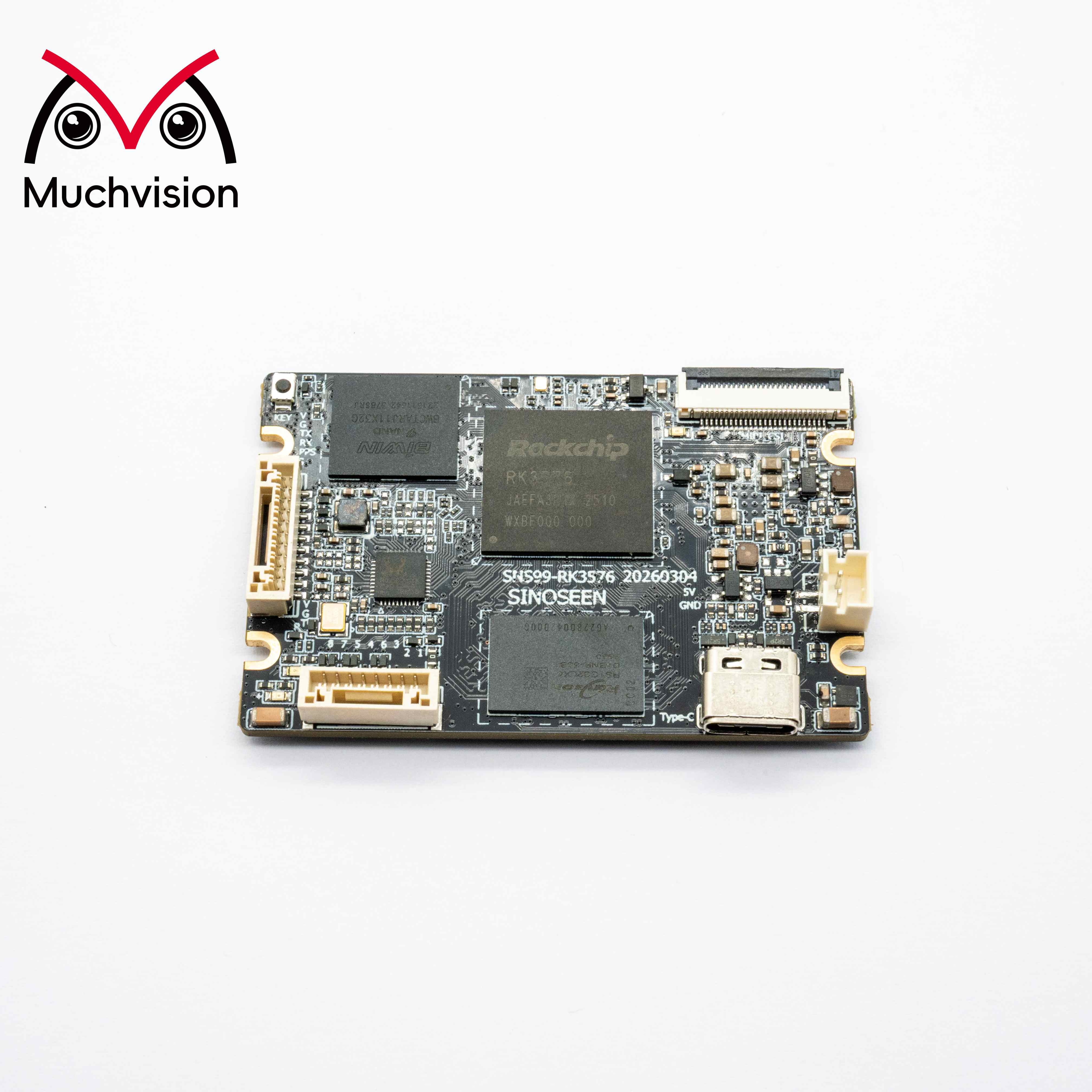
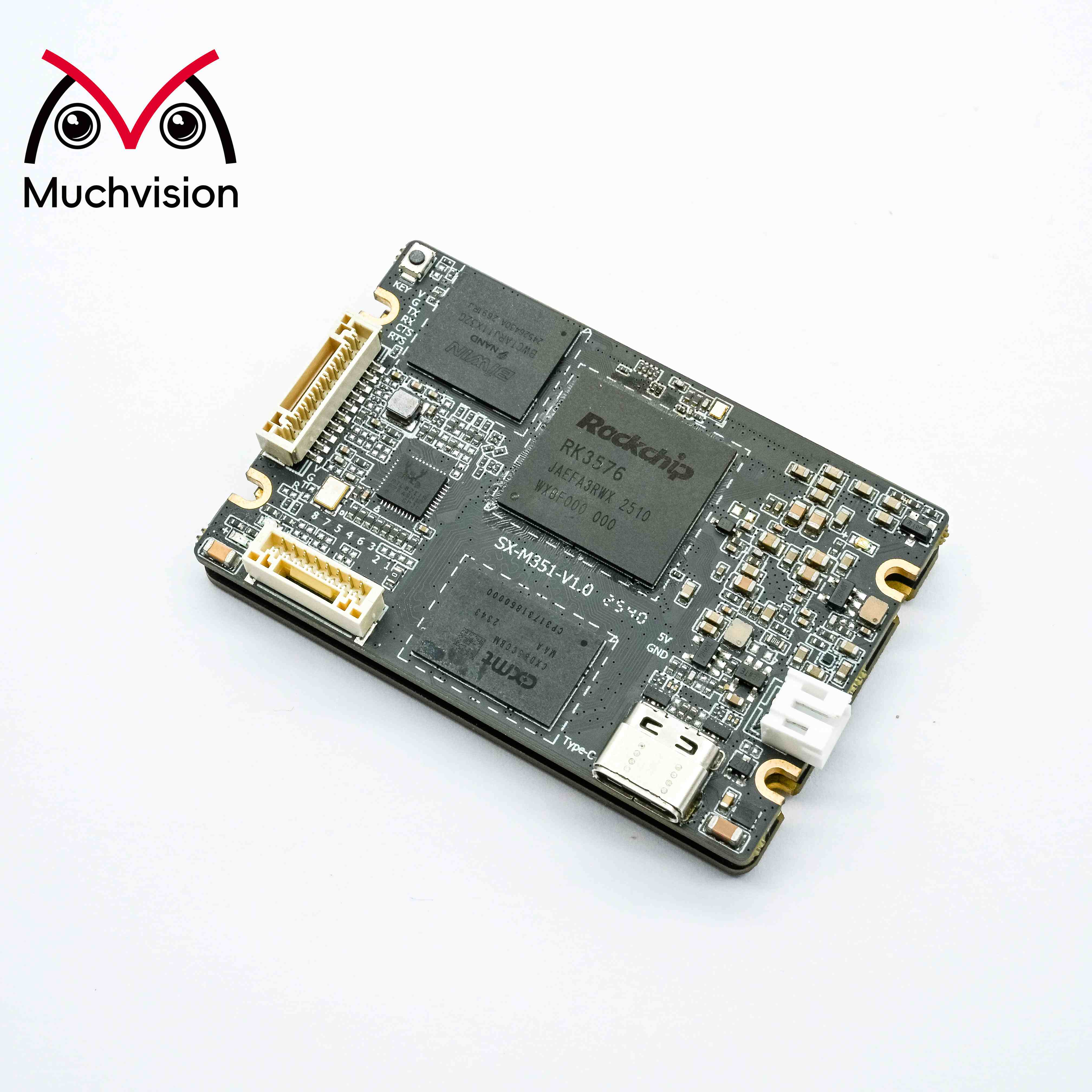
4. سسٹم، ڈرائیور اور درمیانی ویئر کا بوجھ ہمارے RK3576 وژن حل کو ایک مثال کے طور پر لیجیے۔ بنیادی سسٹم حافظہ لینکس کرنل، RK میڈیا ڈرائیورز، RKMPP میڈیا فریم ورک، NPU ڈرائیورز، سسٹم لاگز اور چل رہے عملوں کے ذریعے استعمال ہوتا ہے۔ متعدد کیمرے کے اطلاقات میں، میڈیا فریم ورک اور ویڈیو انکوڈنگ (H.264 / H.265 ریکارڈنگ) حافظہ کے بوجھ میں قابلِ ذکر اضافہ کرتے ہیں۔ متعدد چینل انکوڈنگ اور ریکارڈنگ کو فعال کرنا حافظہ کے دباؤ میں تیزی سے مزید اضافہ کرتا ہے۔
اہم نوٹ: یہ کام کرنے والے حافظہ (DDR RAM) کو ظاہر کرتا ہے، eMMC اسٹوریج نہیں۔ eMMC صرف انکوڈ شدہ ویڈیو فائلیں محفوظ کرتا ہے۔
5.درخواست -لیئر کاروباری میموری ایپلیکیشن لا جِک، بشمول انفرینس رزلٹ پارسنگ، متعدد آبجیکٹ ٹریکنگ، ڈیٹا رپورٹنگ، مقامی کیش اور سناپ شاٹ اسٹوریج، میموری استعمال کرتا ہے۔ مثال کے طور پر، ٹریکنگ الگورتھم متعدد فریم ٹارگٹ ڈیٹا ذخیرہ کرتے ہیں۔ زیادہ کیمرے اور ٹریک کیے گئے آبجیکٹ بڑے ڈیٹا سیٹ تیار کرتے ہیں اور ایپلیکیشن لیول پر میموری کا استعمال بڑھ جاتا ہے۔
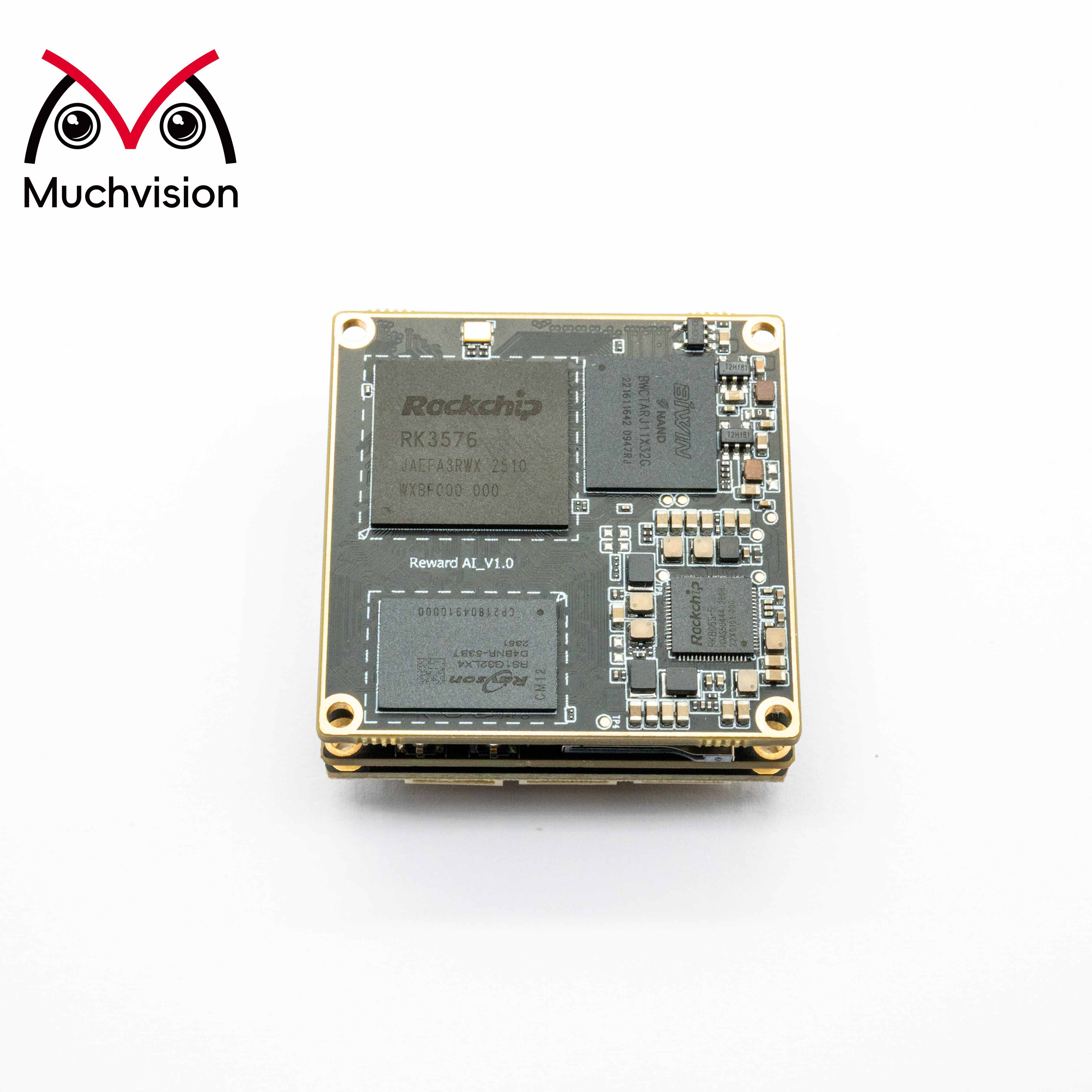
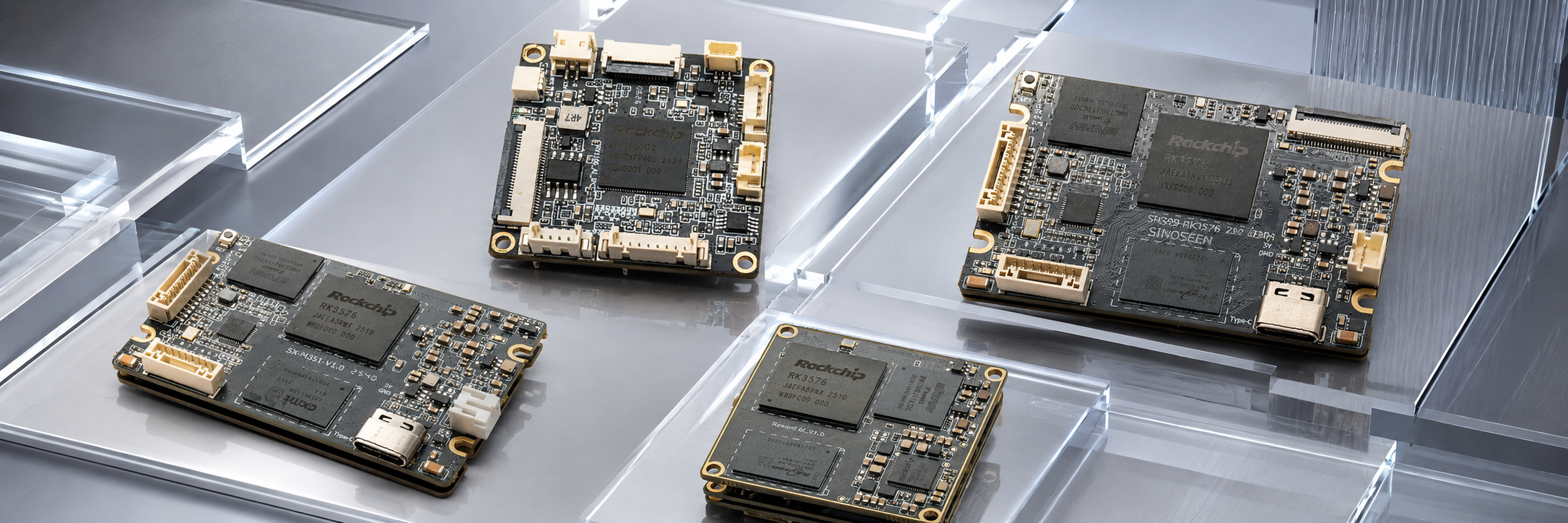
آر کے 3576 ایک معیاری مقامی ایج اے آئی پروسیسر ہے جو 6 ٹاپس کی این پی یو کارکردگی فراہم کرتا ہے، جو متعدد کیمرے والے اے آئی ویژن اطلاقات کے لیے بہترین طور پر مناسب ہے۔ ہماری کمپنی کے پاس 1 سے 6 کیمرہ چینلز کو سپورٹ کرنے والے متعدد پختہ بڑے پیمانے پر تیار شدہ مصنوعات موجود ہیں تاکہ مختلف منصوبوں کی ضروریات کو پورا کیا جا سکے۔ 4 جی بی ڈی ڈی آر معیاری بڑے پیمانے پر تیار شدہ ترتیب ہے، جبکہ مختلف کام کے بوجھ کے لیے دوسرے ڈی ڈی آر سائز بھی سپورٹ کیے جاتے ہیں۔
ذیل کی جدول مارکیٹ میں عام 1080p-4K کیمرہ سینسرز پر لاگو ہوتی ہے:
درخواست کا منظرنامہ |
ای آئی آپریشن موڈ |
تجویز کردہ ڈی ڈی آر صلاحیت |
تبصرے |
|
مونوکولر کیمرہ |
مقامی ذہینی آرٹیفیشل انفرینس: لائن کراسنگ کا اظہار، افراد کی تعداد شمار، مواد کی تعداد شمار، ویڈیو انکوڈنگ اور واقعہ کا سکرین شاٹ شامل ہے؛ ہلکے وزن والے YOLO ماڈلز چل رہے ہیں |
4 جی بی |
ایک چینل کے لیے مکمل فل پائپ لائن آپریشن کی حمایت کرتا ہے۔ خودمختار آلات کے لیے مناسب؛ متعدد چینل کا وسعت دینا تجویز نہیں کیا جاتا۔ |
|
سٹیریو نگرانی / سٹیریو رسائی کنٹرول |
دو چینلز کا ایک وقت میں ویڈیو اسٹریمنگ اور انکوڈنگ؛ ترتیب وار وقت کے اشتراک کے ساتھ ذہینی آرٹیفیشل انفرینس |
4 جی بی |
دو چینلز کی ویڈیو پری ویو دستیاب ہے۔ ذہینی آرٹیفیشل انفرینس غیر ہمزمان طور پر چلتا ہے، جس کے نتیجے میں حقیقی وقت کی کچھ حد تک جواب دہی کم ہو جاتی ہے۔ |
|
متعدد چینل ویڈیو حاصل کرنے کا دروازہ |
مقامی تصویر کی حفاظت، ISP پروسیسنگ اور انکوڈ شدہ اسٹریمنگ صرف۔ مقامی ذہینی آرٹیفیشل انفرینس نہیں؛ انفرینس بیک اینڈ سرورز یا بادل پر منتقل کر دیا گیا ہے |
4 جی بی تا 16 جی بی |
متعدد چینل کی ترتیبات میں مقامی ہمزمان ذہینی آرٹیفیشل انفرینس کو غیر فعال کرنا ضروری ہے۔ 4 ایم پی اعلیٰ وضاحت کے کیمرے کی بڑی تعداد کے ساتھ یادداشت پر دباؤ نمایاں طور پر بڑھ جاتا ہے۔ |
|
متعدد چینل ہمزمان ذہینی آرٹیفیشل انفرینس + متعدد چینل انکوڈ شدہ ریکارڈنگ |
کثیر چینل بیک وقت این پی یو انفیوژن ، آبجیکٹ ٹریکنگ ، اسنیپ شاٹ کیپچر ، مقامی ریکارڈنگ ، پیچیدہ کاروباری منطق ، مستقبل کے ماڈل اضافے کے لئے معاونت |
8 جی بی۔16 جی بی |
کاروبار کی پیچیدگی کی بنیاد پر اندازہ کریں؛ کافی ہیڈ روم بفر میموری محفوظ کی جانی چاہئے۔ |
|
اگر آپ مناسب میموری کنفیگریشن کے بارے میں یقین نہیں رکھتے ہیں، تو براہِ کرم رابطہ کریں [email protected]۔ ہم آپ کے کیمرہ چینلز کی تعداد، ریزولوشن، کاروباری منطق اور چلنے والے ورک لوڈ کی بنیاد پر مخصوص حل کا جائزہ فراہم کریں گے۔
 گرم خبریں
2026-10-24
2026-10-20
2026-10-19
2026-10-16
2026-10-12
2026-10-08

 EN
EN