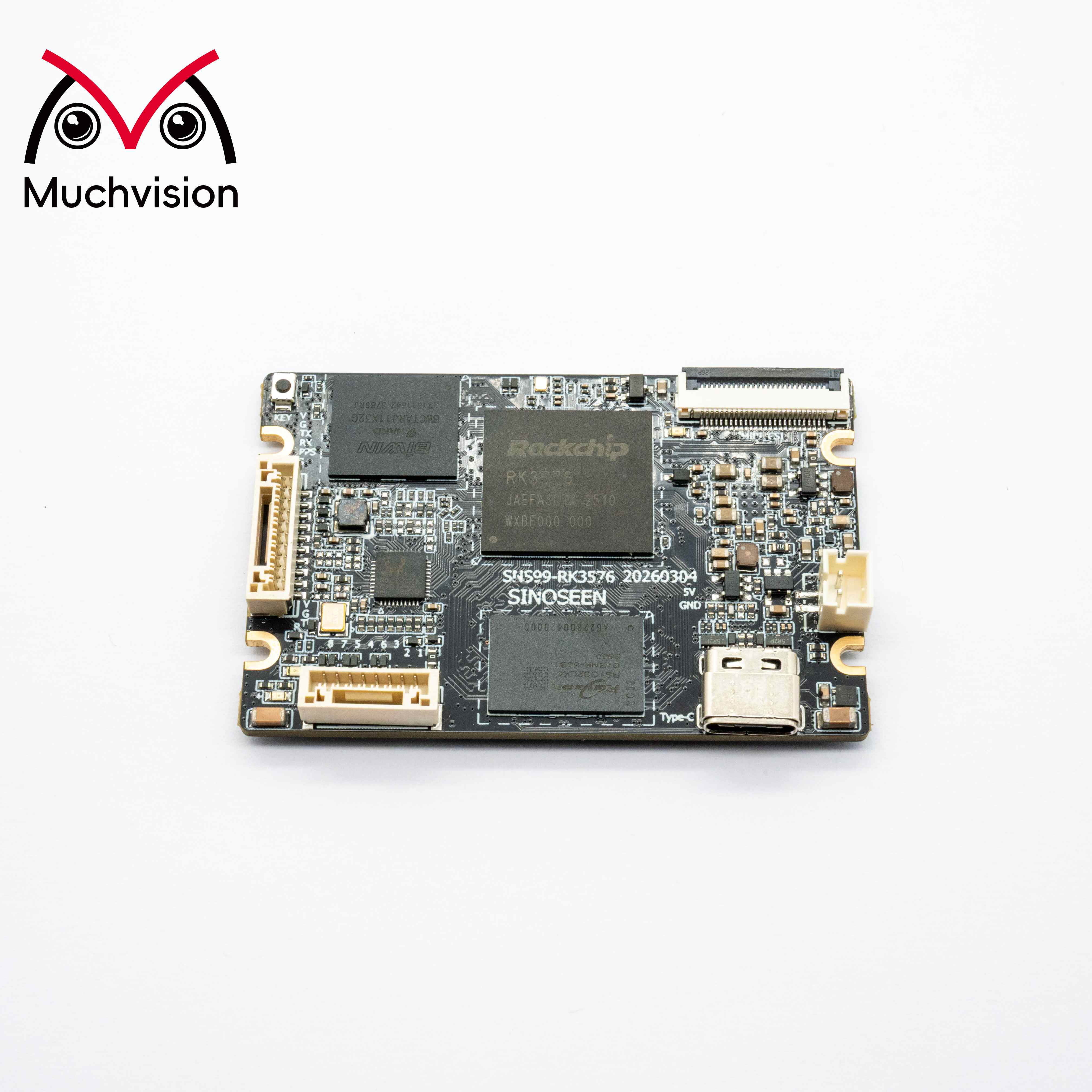
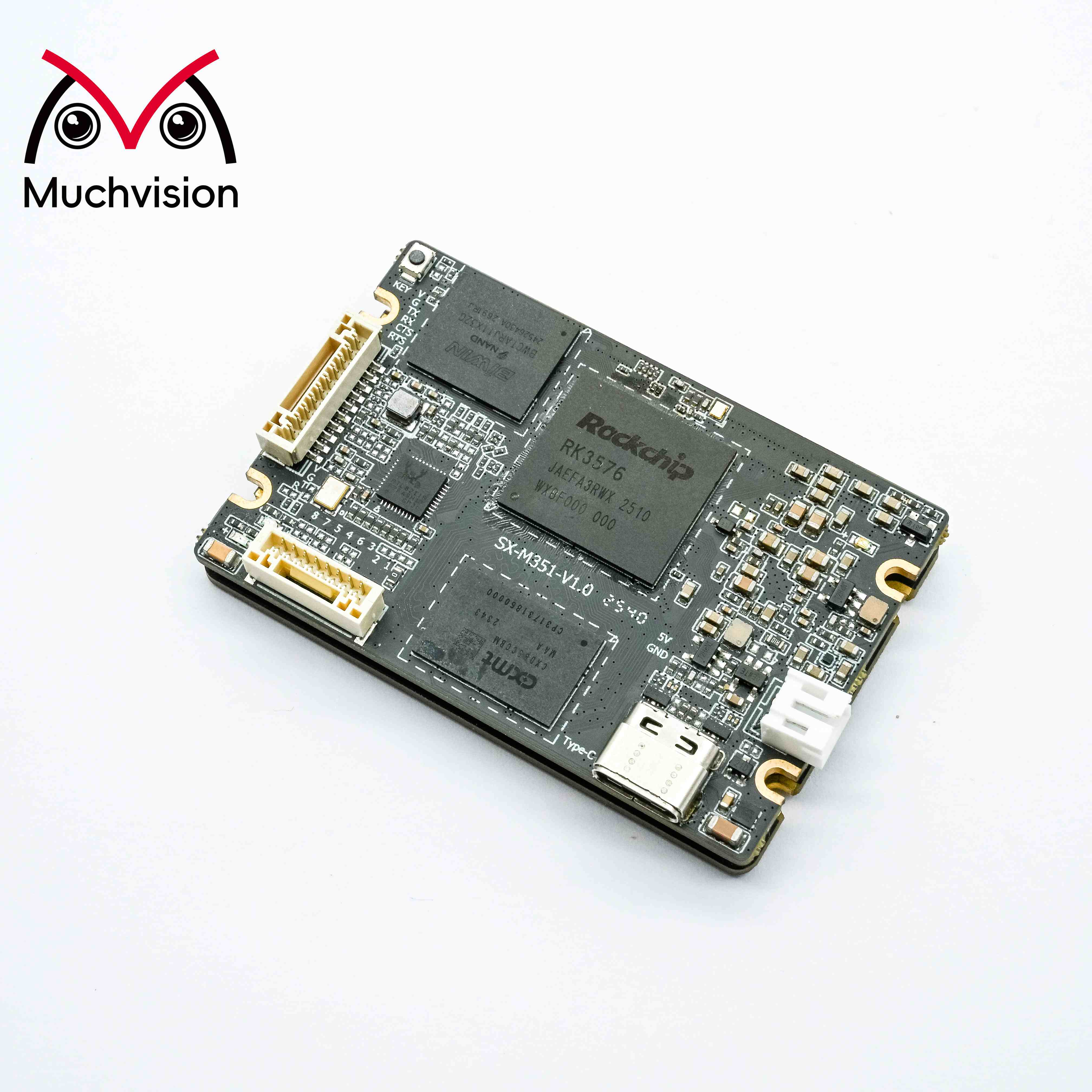
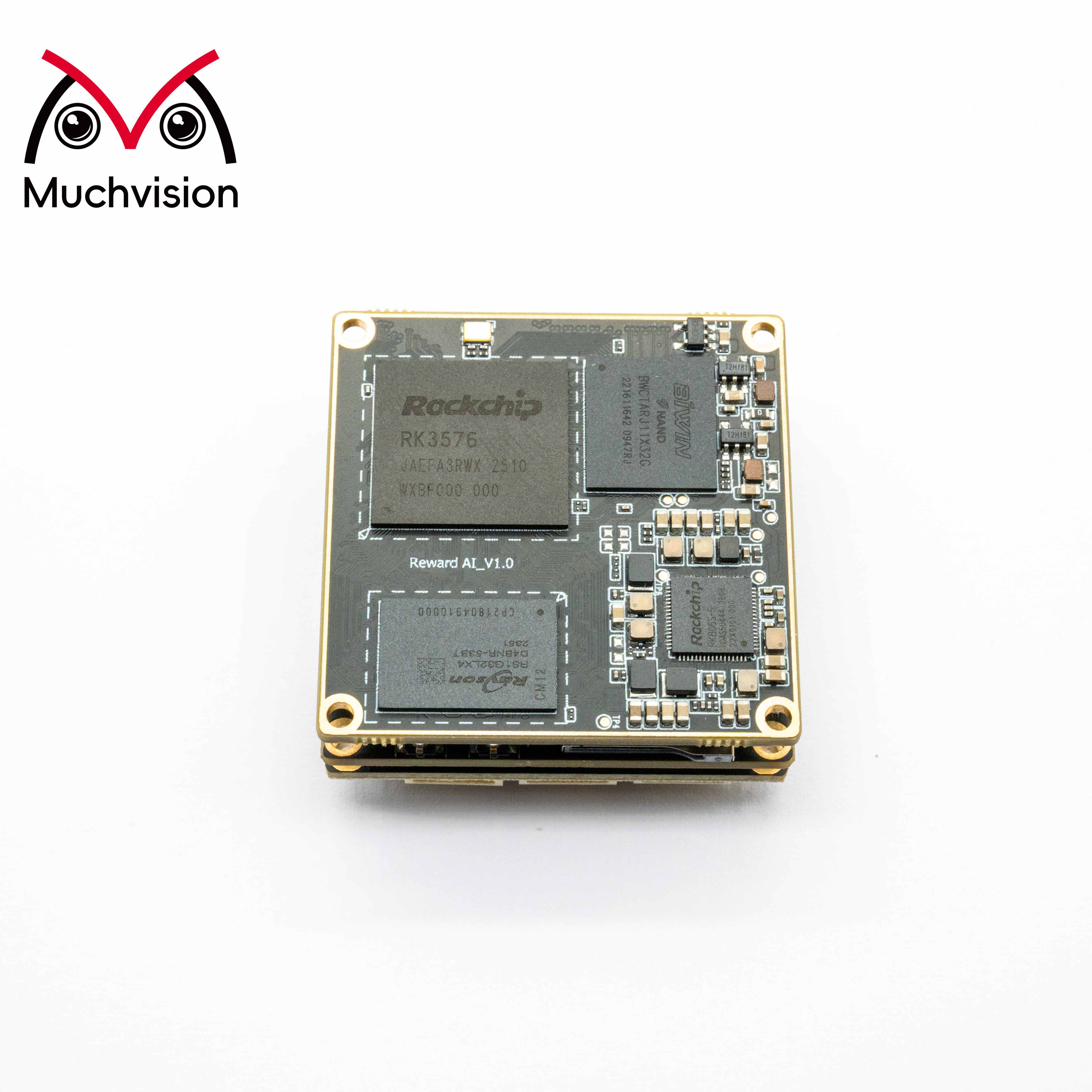
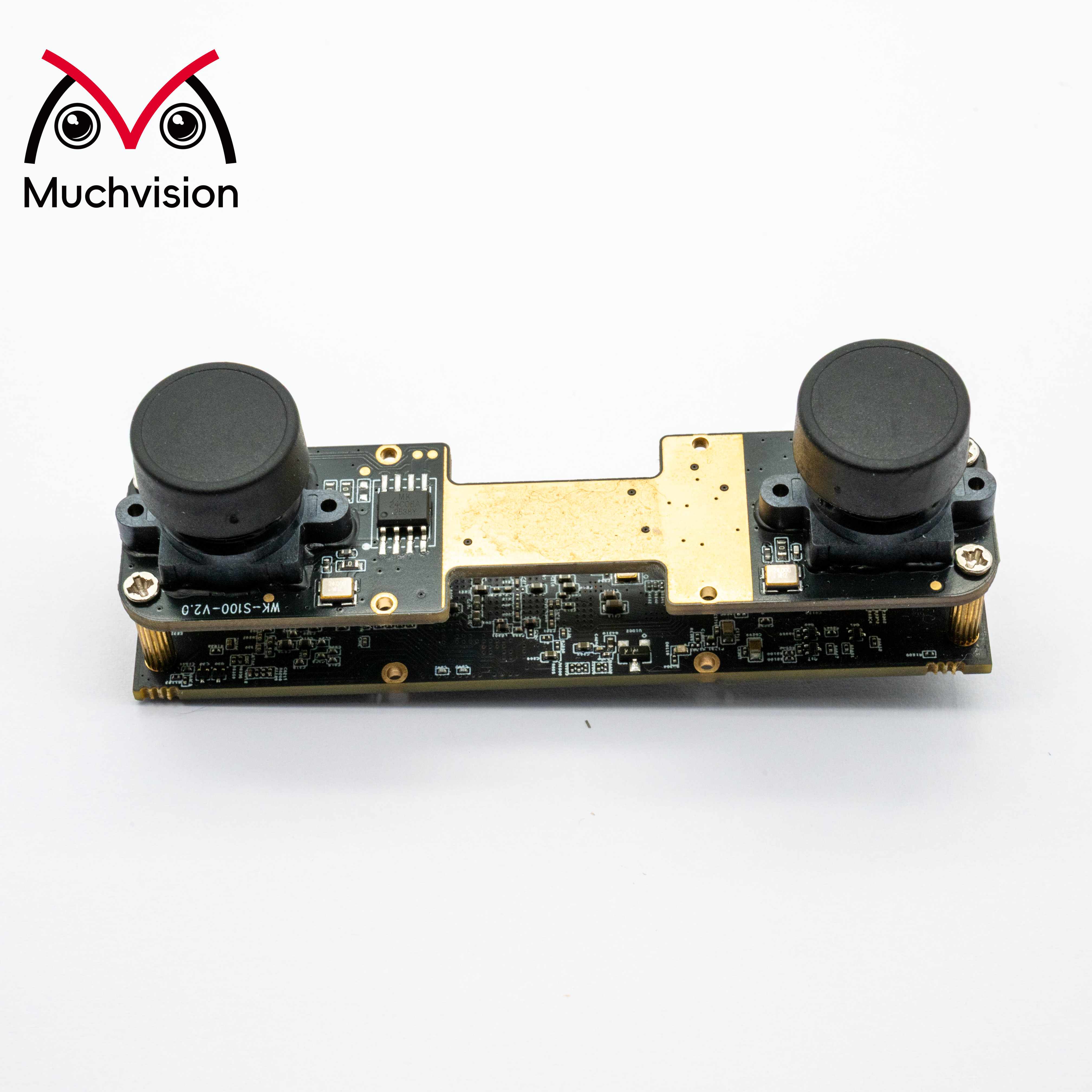
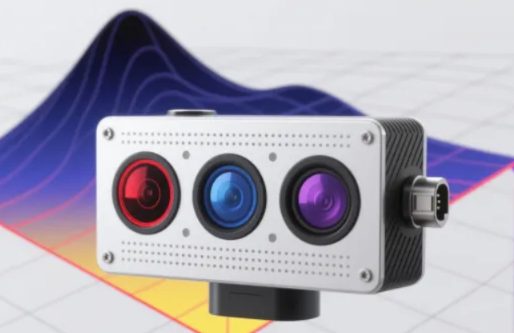
embedded board
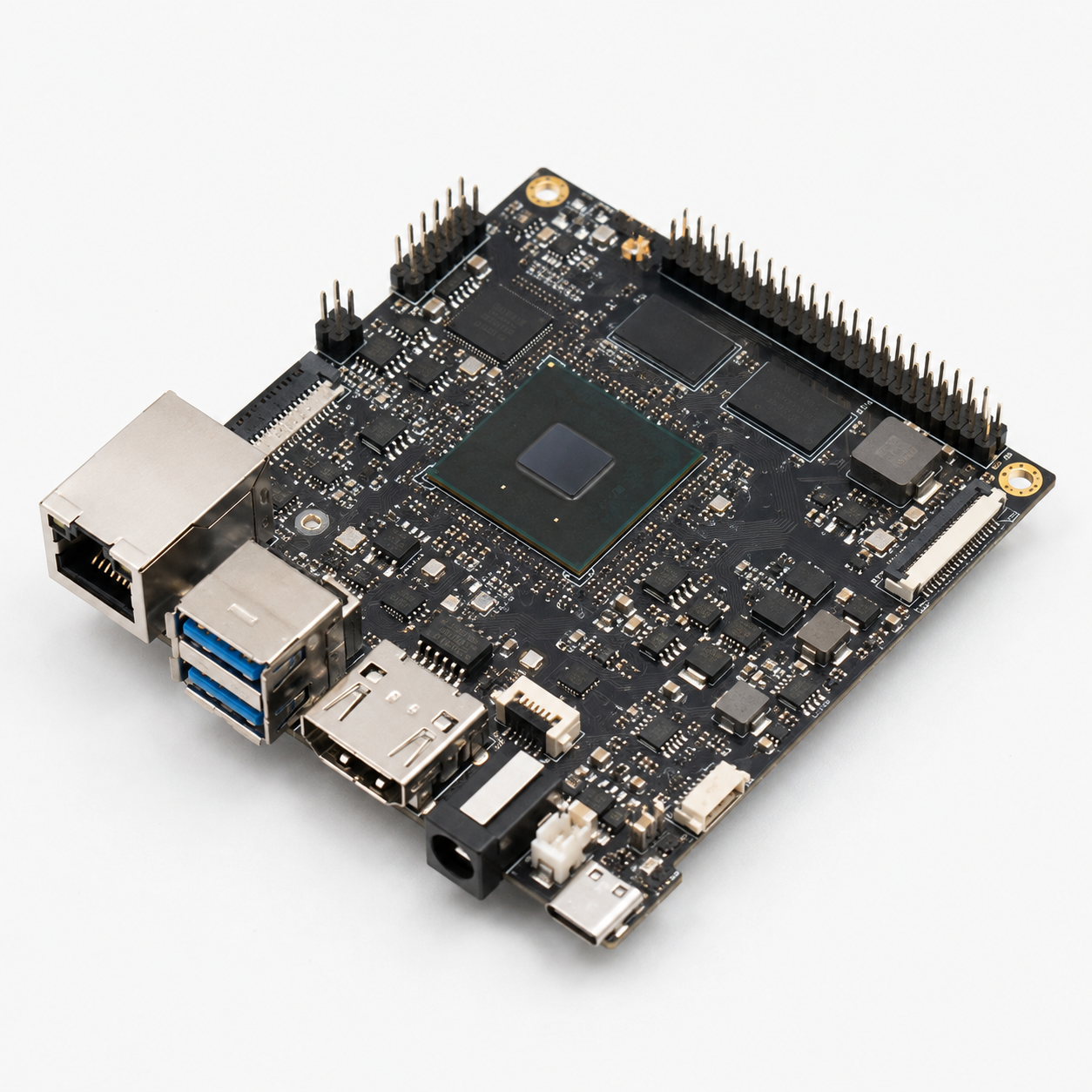
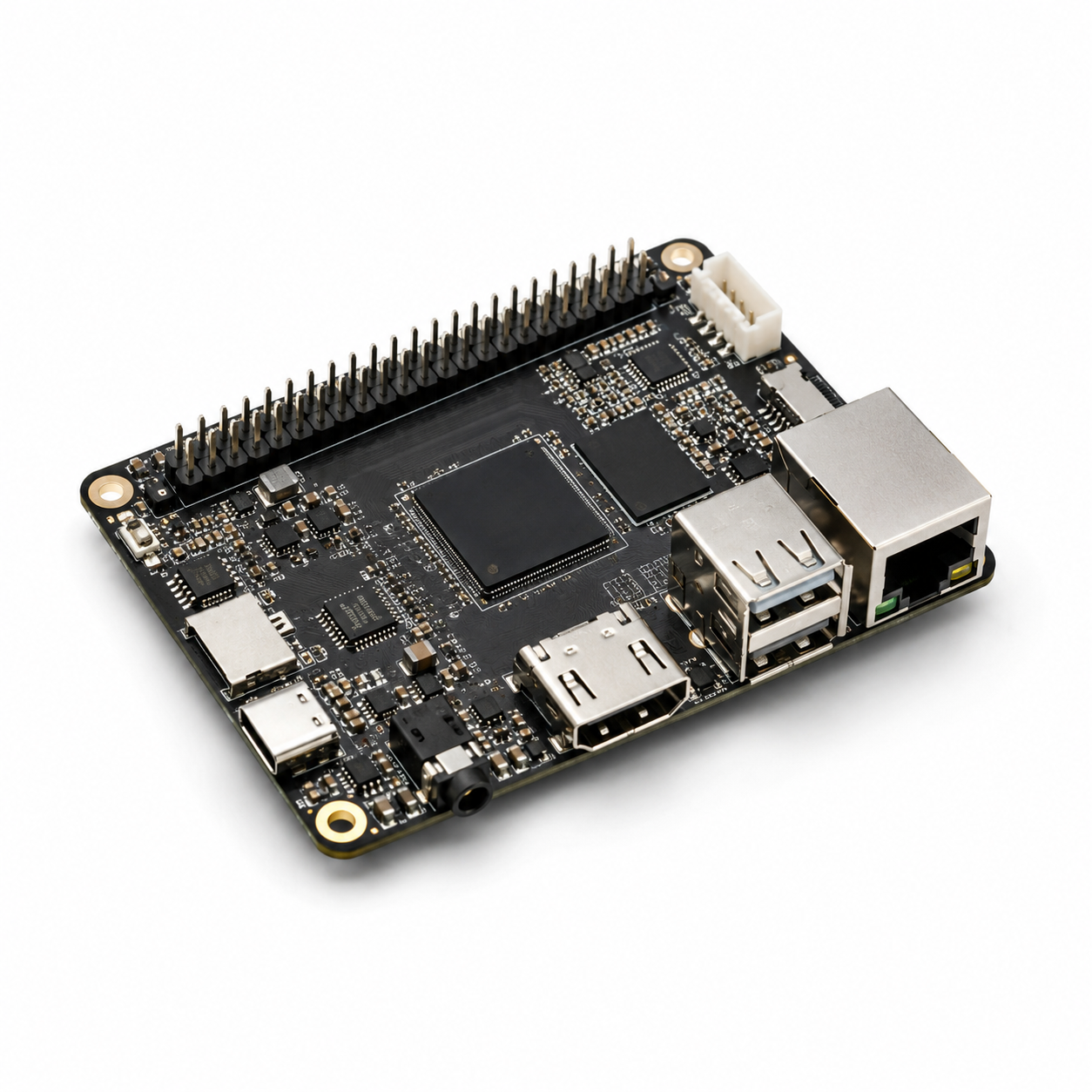
An embedded board represents a compact computing solution designed to execute specific functions within larger systems or applications. This specialized hardware component integrates a processor, memory, and input-output interfaces onto a single platform, enabling seamless integration into devices requiring dedicated processing power. The embedded board serves as the computational backbone for various industrial, consumer, and commercial applications where reliability and efficiency are paramount.
The technological features of an embedded board typically include low-power processors, expandable memory options, and multiple connectivity ports such as USB, Ethernet, and serial interfaces. These components work together to deliver consistent performance in space-constrained environments. An embedded board operates independently or as part of a larger system architecture, managing data processing, device control, and communication protocols with minimal latency.
Key applications for an embedded board span numerous industries. Manufacturing facilities utilize embedded boards for automation and quality control systems. Healthcare providers implement them in diagnostic equipment and patient monitoring devices. The automotive sector leverages embedded board technology in engine control units and infotainment systems. Telecommunications infrastructure relies on embedded boards for signal processing and network management.
The design philosophy behind an embedded board emphasizes durability, thermal efficiency, and long-term operational stability. Unlike general-purpose computers, an embedded board focuses on executing predetermined tasks with exceptional reliability. This specialized approach makes embedded board solutions invaluable for critical applications where downtime poses significant consequences. Organizations select embedded board systems based on their specific processing requirements, environmental constraints, and integration needs, ensuring optimal performance within their operational framework.
 ×

 EN