 ×
×
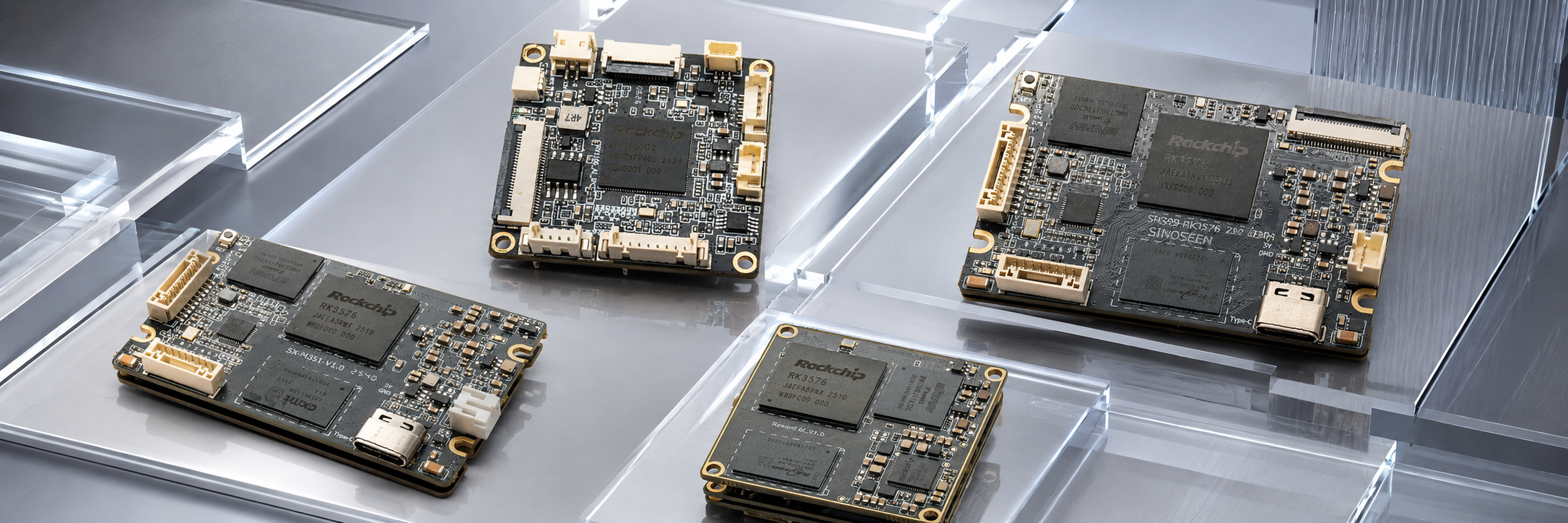
Selecting the right computer on module for industrial applications requires careful evaluation of technical specifications, environmental resilience, and long-term reliability. Industrial environments demand components that can withstand extreme temperatures, vibration, dust, and electromagnetic interference. A computer on module designed for industrial use must balance processing power, thermal management, and cost efficiency to support demanding automation, control systems, and data processing workloads. The choice directly impacts system uptime, maintenance costs, and operational longevity.
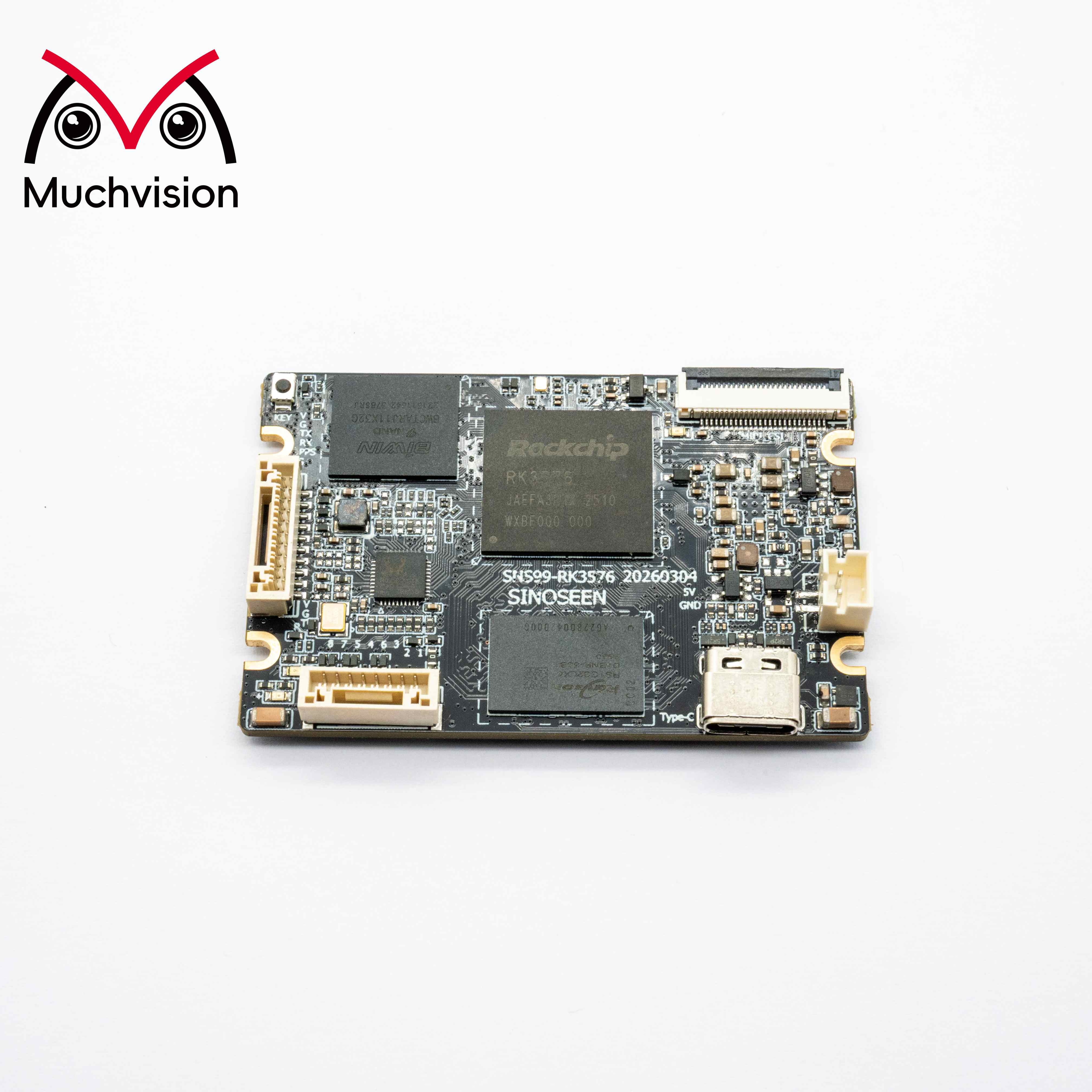
Industrial B2B procurement demands a structured approach to module selection. Unlike consumer-grade computing solutions, industrial computer on module solutions must meet strict durability standards, offer predictable supply chains, and support extended lifecycle availability. This guide walks through the essential criteria for design decisions, integration considerations, and validation steps that ensure your selected computer on module meets both current operational needs and future scalability requirements.
Industrial environments present challenges that standard computing modules cannot handle reliably. Temperature ranges often extend from -40°C to +85°C or beyond, requiring thermal design that manages heat dissipation effectively without degradation. Vibration resistance becomes critical in manufacturing floors, transportation systems, and equipment-intensive operations. A properly selected computer on module incorporates reinforced components, conformal coating, and shock-absorbing mechanical design to survive harsh conditions. Dust ingress prevention, corrosion resistance, and power supply stability are equally important for long-term reliability in factory settings, field installations, and remote monitoring stations.
Industrial applications demand consistent, predictable performance rather than peak speed alone. Real-time control systems, edge analytics, and sensor data processing require processors with sufficient cores and clock speeds to handle workloads without throttling. Memory bandwidth, cache architecture, and I/O throughput significantly influence system responsiveness in automation control loops. Your computer on module must provide deterministic behavior under sustained loads, avoiding thermal throttling or performance degradation that could disrupt critical operations. The design of the processing subsystem should match application-specific demands without over-provisioning unnecessary capabilities that increase cost and power consumption.
A computer on module form factor must fit seamlessly into your industrial system's mechanical envelope and connector landscape. Standard form factors like COM-Express, SMARC, or proprietary designs each offer different trade-offs between size, pin count, and scalability. The integration process requires careful attention to mechanical mounting, thermal pathways, and signal integrity. Design decisions around module orientation, heatsink attachment, and vibration isolation directly affect long-term reliability and maintenance accessibility. Early consultation with your module supplier ensures that mechanical compatibility, thermal modeling, and integration timelines align with your product development schedule.
Industrial B2B applications depend on stable power delivery and consistent component availability. A computer on module should support wide input voltage ranges, incorporate redundant power distribution paths, and include watchdog circuits to detect and recover from power anomalies. Supply chain continuity becomes critical in industrial settings where unexpected obsolescence can halt production lines or strand deployed systems. Your guide to module selection must include supplier roadmaps, extended lifecycle commitments, and stock availability guarantees. Establishing long-term relationships with your computer on module vendor reduces risk and ensures access to compatible spare parts or next-generation upgrades when needed.
The choice of a computer on module must align with your software architecture and operating system requirements. Industrial systems often run Linux, real-time operating systems, or proprietary firmware that demand driver support, device tree compatibility, and kernel optimization. Driver availability, community support, and vendor responsiveness directly influence development timelines and long-term maintainability. Testing the operating system thoroughly on your selected computer on module early in the design cycle prevents costly delays and re-spins. Documentation quality, reference designs, and technical support availability from your module vendor significantly impact integration success and reduce time-to-market.
Effective thermal management ensures your computer on module operates reliably throughout its intended lifecycle. Industrial applications often require passive cooling or minimal active cooling to reduce moving parts that could fail. Thermal modeling, stress testing, and accelerated life testing validate that your module design handles peak loads without exceeding safe junction temperatures. Planning for thermal margins of 10-15°C below maximum ratings provides protection against component variation, aging effects, and environmental uncertainty. Long-term reliability depends on preventing thermal stress-induced failures in solder joints, capacitors, and semiconductor junctions that compromise system availability and increase maintenance burden.
Industrial computer on module solutions incorporate extended temperature ranges, reinforced mechanical design, conformal coating for moisture protection, and stringent quality testing. Consumer modules prioritize cost and performance over durability. Industrial designs emphasize reliability, longevity, and predictable performance under harsh environmental conditions. Supply chain stability, extended availability commitments, and technical support differ significantly between consumer and industrial vendors.
Assess supplier roadmaps, lifecycle commitments, stock availability, technical documentation quality, and reference design support. Verify that the computer on module vendor provides clear guidance on obsolescence timelines and upgrade paths. Request case studies from similar industrial applications, conduct thermal and reliability testing on evaluation samples, and establish communication protocols for design support. Long-term partnerships reduce supply chain risk and ensure access to compatible components throughout your product lifecycle.
Thermal pathway design, mechanical mounting accuracy, signal integrity on high-speed interfaces, and driver availability present typical challenges. The computer on module integration success depends on early collaboration with the module vendor, thorough validation testing, and adherence to design guidelines. Power distribution, grounding architecture, and EMI shielding often require careful layout work. Addressing these factors during design phase rather than post-production prevents costly re-spins and field reliability issues in industrial deployments.
 Hot News
2026-09-21
2026-09-18
2026-09-14
2026-09-13
2026-09-09
2026-09-09

 EN
EN