 ×
×
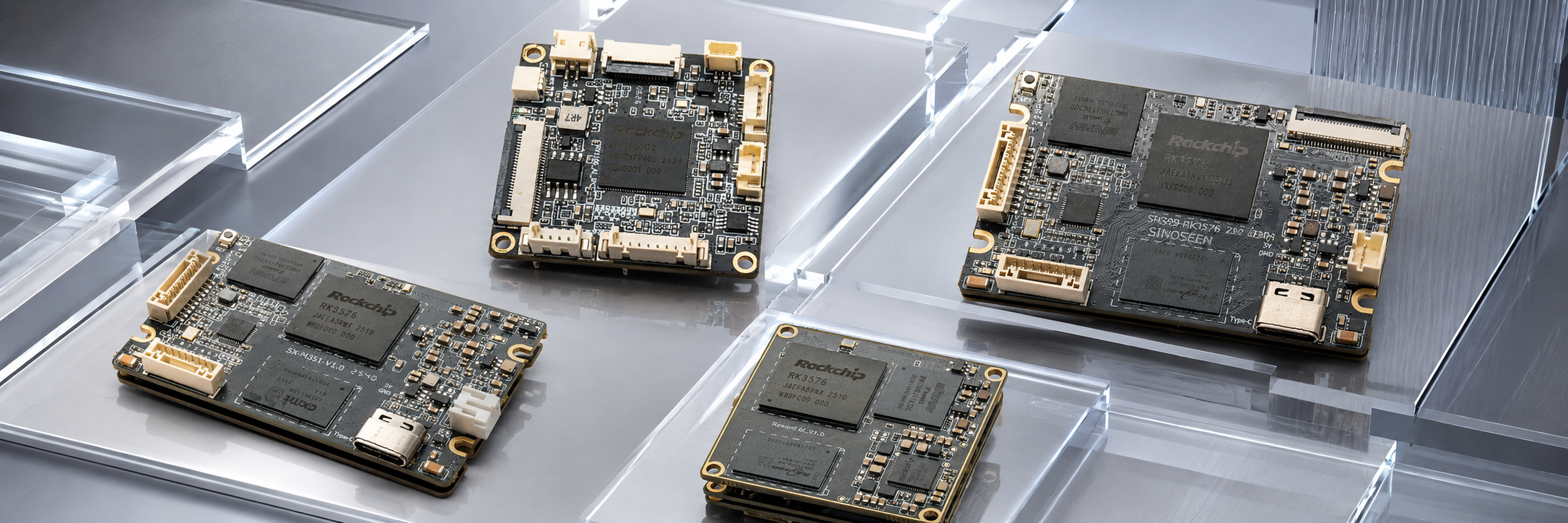
Scaling industrial PCBA production from prototype phase to high-volume manufacturing represents one of the most critical transitions in electronics development. Many companies successfully validate their designs at small scale but struggle when moving to mass production environments. The shift demands strategic planning across supply chain management, process optimization, quality assurance, and workforce coordination. Understanding the pathway from initial prototypes to sustainable volume production ensures your industrial PCBA operations remain cost-effective, reliable, and compliant with industry standards.
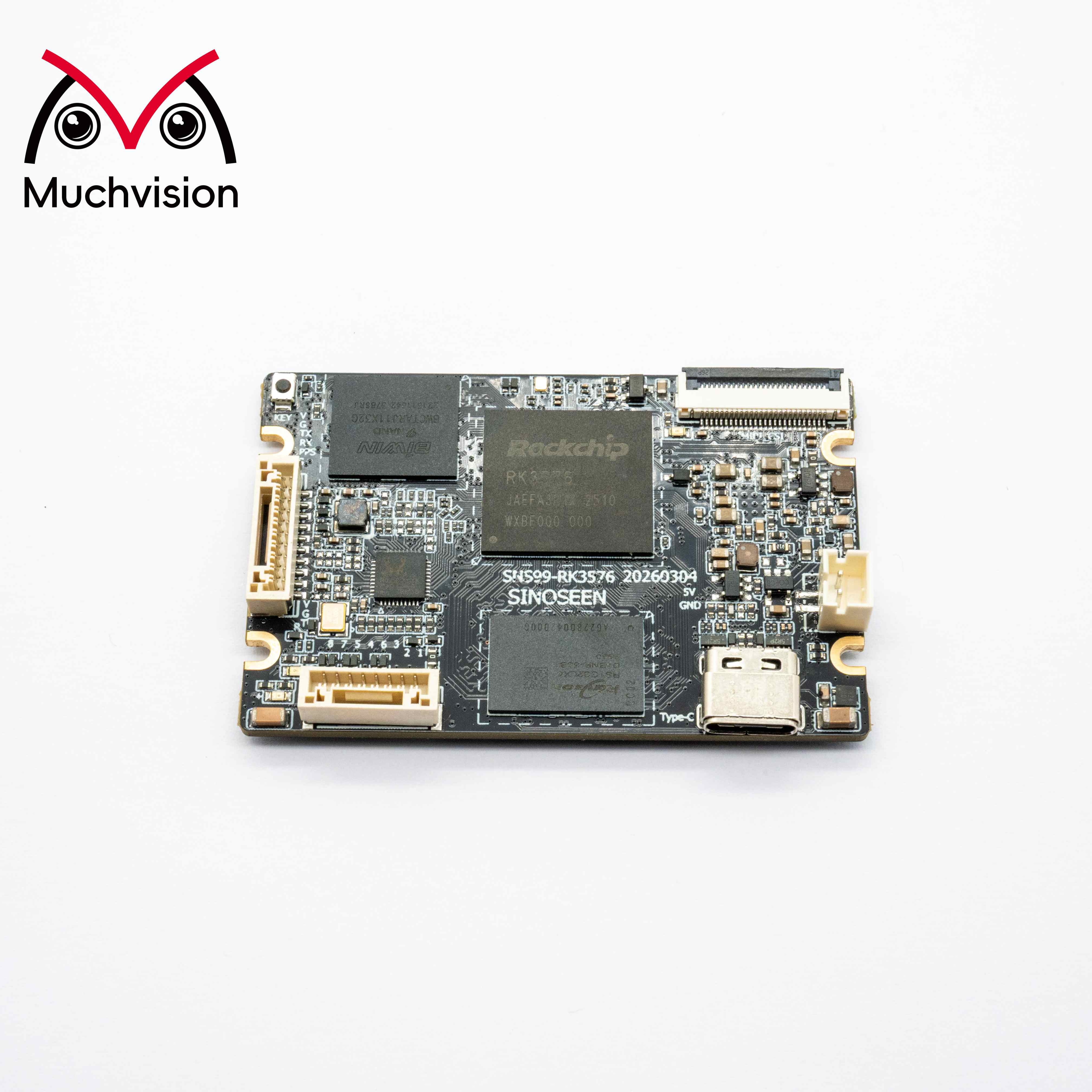
The journey from prototype to volume production involves deliberate transitions in manufacturing methodology, supply agreements, and operational infrastructure. This guide explores the essential phases, decision points, and practical strategies that enable seamless scaling while maintaining product quality and operational efficiency throughout your industrial PCBA manufacturing process.
Before scaling, you must thoroughly evaluate your existing prototype manufacturing infrastructure. Prototype facilities often operate with manual processes, flexible tooling, and limited automation that cannot sustain volume production. Identify which processes currently depend on hand assembly, rework, or specialized technician intervention. Document cycle times, throughput rates, defect patterns, and quality metrics from your current production environment. This baseline assessment reveals gaps between prototype capability and volume requirements, highlighting areas requiring investment in automation, training, or process redesign before scaling industrial PCBA operations.
Quality control in prototype manufacturing often relies on individual expertise and visual inspection rather than systematic measurement. When scaling industrial PCBA production, you must transition to standardized testing protocols, automated inspection systems, and statistical process control. Analyze your current defect categories, yield rates, and rework percentages to pinpoint systematic issues that will amplify under volume conditions. Test equipment capabilities, personnel training adequacy, and documentation systems must all be evaluated for their readiness to support consistent quality across higher production volumes.
Your OEM manufacturing partner selection fundamentally shapes your scaling trajectory. Evaluate potential partners based on their experience with industrial PCBA applications similar to yours, their quality certifications, capacity flexibility, and technological capabilities. Some manufacturers excel at low-volume precision work while others specialize in high-throughput production. Negotiate agreements that permit gradual volume increases rather than demanding immediate full-scale commitment. Establish clear quality standards, lead time agreements, and cost structures that remain stable as volumes grow. The right manufacturing guide from an experienced OEM partner can accelerate your transition significantly.
Prototype processes rarely scale linearly. You must redesign workflows, tooling requirements, and assembly sequences specifically for volume production environments. Implement design-for-manufacturability principles to simplify assembly steps and reduce manual handling. Standardize component footprints, solder paste application methods, and reflow profiles across your industrial PCBA designs. Create detailed process documentation that captures every procedure, tolerance, and quality checkpoint. This documentation becomes your manufacturing guide for training production teams, qualifying new suppliers, and maintaining consistency across multiple production facilities or shifts.
Volume production depends on reliable, predictable component availability. Develop supplier relationships for all critical materials, establish inventory buffers for long-lead items, and create contingency plans for supply disruptions. Work with your manufacturing partner to implement vendor qualification programs that ensure consistent component quality across all industrial PCBA batches. Negotiate framework agreements with multiple suppliers for redundancy on critical components. Implement supply chain visibility systems that track inventory levels, lead times, and quality metrics. Strong supply chain management directly impacts your ability to meet volume commitments while controlling manufacturing costs.
Transitioning to volume production requires significant investment in automated inspection equipment, testing systems, and process monitoring technology. Automated optical inspection detects placement errors and solder defects that manual inspection misses at volume scale. In-circuit testing and functional testing systems validate every unit's performance efficiently. Environmental monitoring systems ensure that your production environment maintains the temperature, humidity, and cleanliness levels required for industrial PCBA manufacturing quality. These investments reduce defect rates, improve yield, and enable consistent delivery of high-quality products to your customers.
Your production team capacity determines whether you can actually achieve targeted volumes. Establish training programs that teach new technicians your standardized processes, quality standards, and troubleshooting procedures. Create documentation and work instructions that enable consistent execution across different shifts and teams. Consider your manufacturing guide as a living document that evolves as you identify improvements during volume production ramp-up. Implement cross-training initiatives to build scheduling flexibility and ensure production continuity. Strong workforce development transforms your manufacturing capability from a constraint into a competitive advantage for sustained volume growth.
The primary risks include quality degradation if inspection and testing protocols are inadequate, supply chain disruptions that halt production, and cost overruns from underestimated infrastructure requirements. Many companies also struggle with workforce training, discovering too late that their teams lack expertise for volume production environments. OEM manufacturing partnerships help mitigate these risks by leveraging partner experience, but clear quality agreements and regular audits remain essential.
Timeline varies based on product complexity, manufacturing requirements, and your organization's preparedness. Simple industrial PCBA designs might transition in 3-6 months, while sophisticated products may require 12-18 months for proper process validation, equipment installation, and team training. Guide your planning based on realistic assessment of your specific requirements rather than arbitrary timelines. Starting the planning process during prototype development rather than waiting until after design completion significantly compresses the total transition time.
The decision depends on your volume requirements, technical expertise, capital availability, and strategic priorities. In-house manufacturing offers control and intellectual property protection but requires substantial investment in equipment and expertise. External OEM manufacturing provides flexibility, scalability, and specialized expertise, making it attractive for most companies entering volume production. Many successful industrial PCBA manufacturers use hybrid approaches, maintaining prototype and low-volume production in-house while outsourcing volume production to qualified partners following a detailed manufacturing guide.
 Hot News
2026-09-21
2026-09-18
2026-09-14
2026-09-13
2026-09-09
2026-09-09

 EN
EN