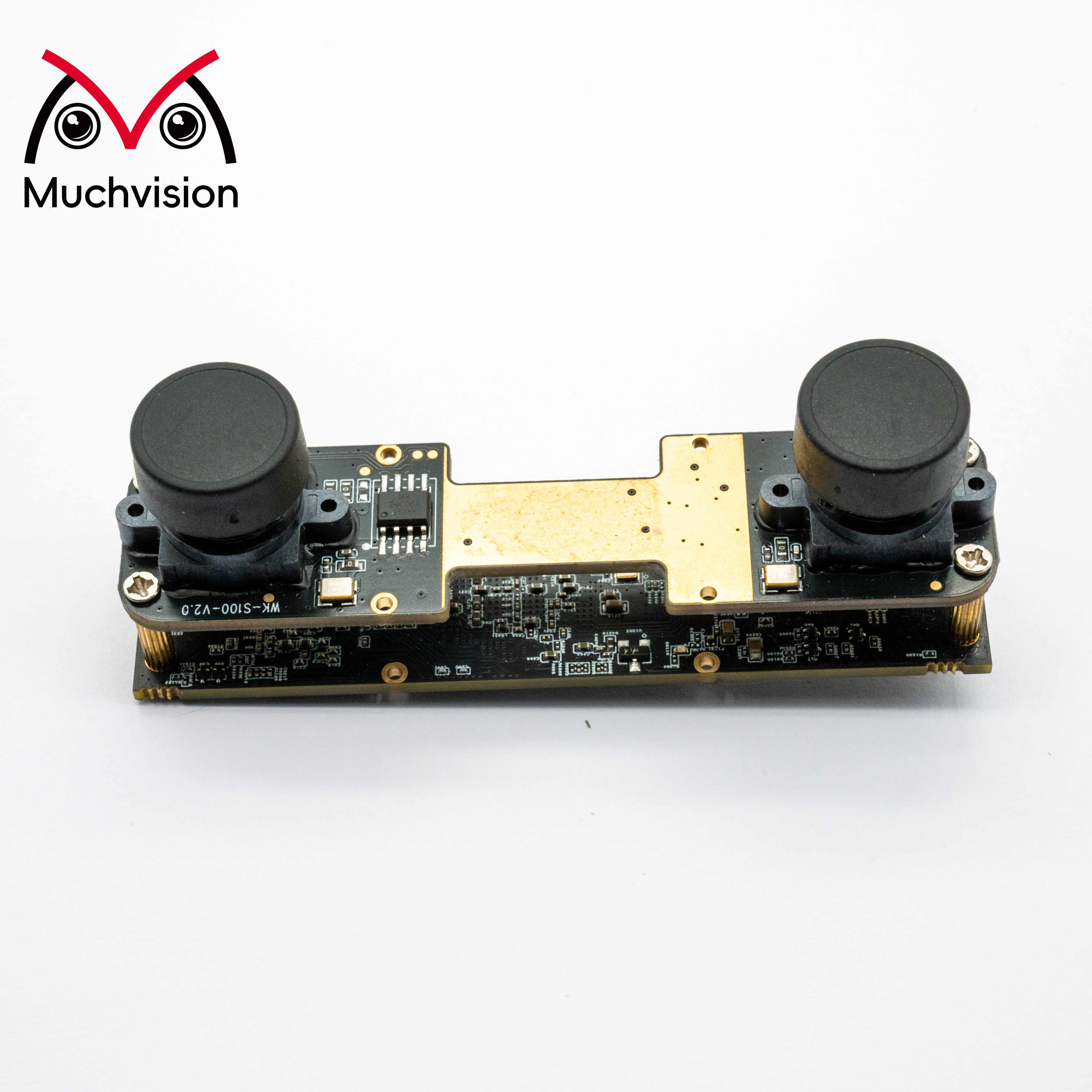
Durante los últimos meses, hemos visitado numerosos sitios industriales, como almacenes automatizados con drones o robots. Muchos ingenieros y diseñadores de productos suelen priorizar los parámetros con los que están más familiarizados:
¿Cuáles son los parámetros de píxeles de la cámara?
El módulo de cámara de 5 MP o 8 MP parece ser una opción más segura, ya que una mayor resolución implica:
- Más detalles en la imagen;
- Una salida de imagen más nítida;
- Una mejor capacidad de reconocimiento de objetivos;
Por lo tanto, muchos sistemas de seguridad, dispositivos integrados y aplicaciones de visión industrial prefieren utilizar módulos de cámara de alta resolución. Sin embargo, estas cámaras enfrentan desafíos completamente distintos cuando cae la noche. Cuando hay poca luz ambiental, confiar únicamente en la cantidad de píxeles no permite determinar la calidad final de la imagen. El tamaño del sensor, el tamaño de los píxeles y el rango dinámico afectan todos ellos el rendimiento real de la captura de imágenes. Una cámara de alta resolución funciona bien durante el día, pero al anochecer, el sensor recibe menos luz debido a la menor cantidad de información luminosa que puede captar.
Problemas comunes incluyen:
- Aumento del ruido en la imagen;
- Pérdida de detalles en las zonas oscuras;
- Visibilidad reducida en entornos complejos;
Esto conduce también a una teoría fundamental:
Más píxeles no equivalen necesariamente a un mejor rendimiento en visión nocturna
En escenarios de poca luz, los ingenieros deben evaluar de forma integral múltiples factores, no solo la resolución:
- Capacidad de captura de imágenes en condiciones de poca luz;
- Capacidad de detección de luz del sensor;
- Procesamiento del ruido de la imagen;
- Rendimiento real de salida de imágenes en el entorno real;
Por lo tanto, al elegir entre módulos de cámaras de alta resolución tradicionales (como el OV5640) y soluciones de visión nocturna tipo starlight (como la SC2210), la decisión final depende del escenario de aplicación real y de los requisitos de imagen.
¿Por qué una única resolución no puede determinar el rendimiento de la vigilancia nocturna?
Las cámaras de alta resolución se han utilizado ampliamente en electrónica de consumo, equipos industriales y sistemas embebidos, siendo el módulo de cámara OV5640 un ejemplo típico.
- Salida máxima de 2592 × 1944 píxeles;
El OV5640 tiene una ventaja significativa en el detalle de la imagen para aplicaciones de alta resolución:
- Más información de imagen;
- Mejor capacidad de ampliación de imagen;
- Salida de imagen de mayor resolución;
- Recopilación de documentos;
- Captura de imágenes convencionales;
Las cámaras de alta resolución pueden aprovechar plenamente su valor en estos escenarios de aplicación, pero cuando la cámara opera en condiciones de poca luz, la situación cambia. El sensor de la cámara solo puede capturar imágenes mediante las señales de luz disponibles en el entorno. Si se añaden más píxeles en un espacio limitado, cada píxel se vuelve más pequeño, ya que el área del sensor es fija; esto también implica que los píxeles más pequeños reciben menos luz en comparación con los píxeles más grandes, lo que genera los siguientes desafíos en entornos nocturnos:
1. Capacidad limitada de captación de luz
Cuando la cámara se encuentra en un entorno nocturno, cada píxel debe recibir suficiente información luminosa para generar una imagen efectiva. Si el tamaño del píxel es pequeño, el sensor puede requerir una mayor amplificación de la señal para mantener el brillo de la imagen, pero el aumento de la señal también puede provocar un incremento del ruido en la imagen.
2. El ruido aumenta en entornos con poca luz
Cuando la luz ambiental disminuye, la cámara normalmente aumenta la ganancia para compensar la falta de exposición. Esto también puede provocar: un aumento del ruido digital; pérdida de detalles de la imagen; reducción de la nitidez; baja precisión cromática; para los sistemas de vigilancia, no se trata simplemente de generar una imagen "visible". Lo verdaderamente importante es: si la cámara puede ayudar a los usuarios a conservar la información sobre la situación en ese momento, de modo que puedan emitir juicios precisos.
3. Pérdida de detalles clave durante la noche
En aplicaciones reales de vigilancia, la información específica en la que los usuarios centran su atención incluye: ¿Alguien ha entrado en el área monitoreada? ¿Se pueden identificar objetos específicos? ¿Funcionan normalmente los equipos industriales? ¿Ha experimentado el entorno cambios anómalos? Por lo tanto, una imagen de alta resolución pero ruidosa, incluso con más píxeles, no aporta un valor práctico superior.
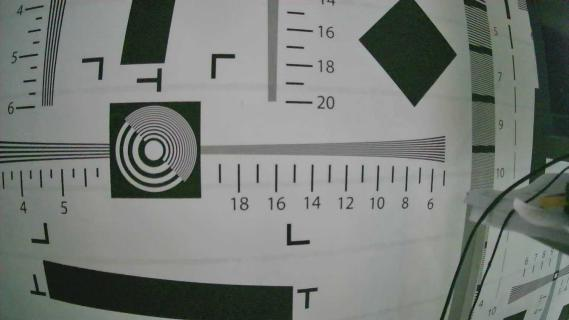
Comparación real de imágenes en condiciones de poca luz: SC2210 frente a OV5640
 |
 |
| Figura 1-SC2210 |
Figura 2-OV5640 |
Figuras 1 y 2: Comparación del rendimiento de imagen del módulo de cámara de visión nocturna estelar SC2210 y del módulo de cámara de 5 MP OV5640 en condiciones reales de poca luz. La comparación anterior demuestra el rendimiento de salida de imagen de distintos diseños de sensores bajo condiciones de iluminación limitada. Ambos módulos de cámara ofrecen una salida de imagen fiable en condiciones de iluminación adecuadas, pero cuando la luz ambiental disminuye aún más, la diferencia entre los distintos diseños de sensores se vuelve más evidente.
El enfoque de esta comparación es:
- Visibilidad de las zonas oscuras;
- Capacidad para conservar los detalles de la escena;
- Equilibrio entre áreas brillantes y oscuras;
Las pruebas en entornos reales son muy importantes. Si solo se confía en los parámetros técnicos, esto no puede describir completamente el rendimiento real del módulo de cámara en entornos complejos. Las cámaras de vigilancia no solo deben capturar imágenes, sino también generar información valiosa.
¿Por qué el SC2210 presenta un comportamiento distinto en entornos con poca luz?
El módulo de cámara de visión nocturna de nivel estelar SC2210 adopta un concepto de diseño de imagen diferente. No se centra simplemente en aumentar la cantidad de píxeles, sino que presta mayor atención al mantenimiento de una visibilidad fiable de la imagen en condiciones de iluminación complejas.
El módulo SC2210 incorpora:
- sensor CMOS SC2210 de 1/1,8 pulgadas;
- resolución de 1920 × 1080;
- tamaño de píxel de 4,0 μm × 4,0 μm;
- Formatos de salida MJPEG y YUY2.
Estas características hacen que el SC2210 sea más adecuado para escenarios en los que la luz ambiental no está completamente disponible.
1. Un tamaño de píxel mayor aporta una mejor capacidad de captación de luz
Una de las diferencias más importantes entre el SC2210 y muchos módulos de cámaras de alta resolución es el tamaño de píxel. El SC2210 adopta una estructura de píxeles de 4,0 μm × 4,0 μm; comparado con diseños de píxeles más pequeños, los píxeles más grandes suelen tener una capacidad de captación de luz más elevada.
La razón es: cada píxel tiene un área mayor, lo que le permite recibir más información luminosa.
Este diseño es especialmente adecuado para escenarios con cambios significativos en la luz ambiental:
- Vigilancia al aire libre;
- Aplicaciones de visión robótica;
2. El WDR ayuda a gestionar entornos de iluminación complejos
Los entornos nocturnos no son necesariamente completamente oscuros. En muchos escenarios reales de vigilancia, existen fuertes diferencias en la intensidad de la luz, por ejemplo:
- Áreas con sombras intensas;
Si el rango dinámico es insuficiente, la cámara puede:
- Sobreexponer las zonas brillantes;
- Perder detalles en las zonas oscuras;
El SC2210 admite la mejora del rango dinámico mediante WDR, basada en la tecnología de fusión de tres exposiciones, lo que permite que la cámara mantenga un rendimiento de imagen más equilibrado cuando hay zonas brillantes y oscuras simultáneamente en el mismo fotograma.
Esto es especialmente útil para los siguientes escenarios de aplicación:
- Cámaras de vigilancia de seguridad;
- Sistemas de monitoreo al aire libre;
- Dispositivos inteligentes de control de acceso;
3. Diseñado para la integración de visión embebida
Los sistemas modernos de vigilancia y automatización dependen cada vez más de plataformas embebidas compactas.
- El SC2210 admite:
- Conexión USB 2.0;
Formatos comunes de imagen, como MJPEG y YUY2.
Esto permite su integración más conveniente en distintos sistemas de visión embebida.
Aplicaciones típicas incluyen:
- Dispositivos inteligentes de vigilancia;
- Equipos informáticos industriales;
- Plataformas robóticas;
- Equipamiento de seguridad personalizado;
Módulo de cámara SC2210 comparado con el OV5640
| Ítem de comparación |
Módulo de cámara SC2210 Starlight |
Ov5640 módulo de cámara de 5 MP |
| Ventaja Principal |
Capacidad de imagen en condiciones de poca luz |
Detalles de mayor resolución |
| Resolución |
1920 x 1080 |
2592 x 1944 |
| Tamaño del sensor |
1/1,8 Pulgadas |
1⁄4 de pulgada |
| Tamaño de píxel |
4,0 μm × 4,0 μm |
1,4 μm × 1,4 μm |
| Vigilancia nocturna |
Diseñado para aplicaciones con poca luz |
Más adecuado para imágenes generales |
| Detalles Diurnos |
Buena |
La ventaja de alta resolución es evidente |
| Iluminación compleja |
La ventaja de WDR es significativa |
Depende del diseño del sistema |
| Aplicaciones típicas |
Seguridad, robótica, monitoreo nocturno |
Imágenes generales, aplicaciones diurnas |
La resolución no es irrelevante, pero resuelve la cuestión de «si es nítido durante el día», no la de «si se ve en la oscuridad». Estos son dos requisitos completamente distintos, y compararlos conjuntamente carece de sentido. Si la mayor parte de los escenarios de trabajo de su proyecto ocurren en condiciones de poca luz o incluso total oscuridad, en lugar de debatir interminablemente «si usar 5 MP o 8 MP», sería preferible determinar primero con claridad: ¿necesita más píxeles o una capacidad de visión nocturna más fiable?
Si por el momento no está seguro, envíe sus escenarios de aplicación al equipo de ingeniería. Podemos ayudarle a determinar la solución más adecuada según los escenarios reales de aplicación, los métodos de instalación y el presupuesto de consumo de energía. También podemos enviar directamente muestras comparativas de los módulos SC2210 y OV5640 para su evaluación.
Preguntas frecuentes sobre el módulo de cámara de visión nocturna SC2210
1. ¿Por qué es el SC2210 adecuado para la vigilancia nocturna?
El SC2210 utiliza un sensor de 1/1,8 pulgadas y un diseño de píxeles de 4,0 μm, lo que le permite capturar mayor información luminosa en condiciones de poca luz.
2. ¿Requiere el SC2210 iluminación infrarroja adicional para la visión nocturna?
El SC2210 admite imágenes en color completo durante la visión nocturna en entornos con poca luz y no depende de equipos adicionales de iluminación infrarroja.
3. ¿Cuáles son las diferencias entre el SC2210 y el OV5640?
El SC2210 se centra más en la imagen en condiciones de poca luz, mientras que el OV5640 se centra más en los detalles de alta resolución.
4. ¿Por qué afecta el tamaño del píxel a la visión nocturna?
Los píxeles más grandes suelen tener mayores capacidades de captación de luz.
 Noticias destacadas
 EN
EN