 ×
×

Selecting the right edge computing architecture for distributed sites requires careful alignment of technical capabilities, business objectives, and infrastructure constraints. As organizations expand operations across multiple locations, the demand for real-time processing, reduced latency, and localized intelligence has never been greater. Your architecture choice will directly impact operational efficiency, data security, and the ability to respond to IoT events with minimal delay.

The foundational decision in deploying edge computing solutions hinges on understanding where processing should occur—at remote sites, in regional hubs, or through a hybrid model. This guide walks you through the critical selection factors, from latency requirements and IoT sensor density to network reliability and computational power needed at each distributed site. By 2026, edge computing deployment patterns will likely shift toward more sophisticated, AI-powered architectures, making it essential to build frameworks flexible enough to evolve.
Latency is the primary driver behind edge computing decisions for distributed sites. When IoT sensors generate time-critical data—such as machinery health monitoring, video analytics, or autonomous control signals—even milliseconds of delay can compromise safety, quality, or user experience. Evaluate the latency tolerance of each application workload: mission-critical processes may demand sub-100-millisecond response times, while analytics and reporting can tolerate seconds of delay.
Your edge computing architecture must process data where it originates rather than shipping raw streams to a central cloud facility. This reduces backhaul bandwidth, prevents network congestion, and ensures consistent performance even when internet connectivity becomes unreliable. Document the maximum acceptable latency for each distributed site's primary use cases, then design compute placement and data flow accordingly. Applications involving real-time IoT automation, predictive maintenance, or safety-critical decisions typically benefit most from on-site edge processing.
The scale and type of IoT devices at each distributed site dictate the compute and storage capacity your edge computing solution must provide. High-density IoT environments—manufacturing floors with hundreds of sensors, smart building systems, or remote monitoring networks—generate continuous streams that overwhelm centralized cloud processing and consume prohibitive bandwidth. Inventory your IoT sensor count, data frequency, and payload size per site to establish baseline processing demand.
Consider not only current sensor load but anticipated growth by 2026. Organizations adding IoT capabilities or expanding automation across facilities need architectures that scale gracefully. Pre-provisioning edge computing capacity for future IoT growth reduces costly redesigns and migration disruptions. Distributed site architectures should modularize compute resources so additional processing units integrate seamlessly as IoT density increases.
Three primary edge computing architecture patterns serve distributed sites, each with distinct tradeoffs. A centralized edge model concentrates compute at a small number of regional hubs, reducing operational complexity and hardware investment but introducing backhaul latency and potential single-point failures. This approach suits organizations with predictable traffic patterns and loosely time-sensitive workloads. Conversely, fully distributed edge computing places compute resources at every remote site, guaranteeing minimal latency and maximum resilience but multiplying management, maintenance, and licensing complexity across dozens or hundreds of locations.
Most mature deployments adopt a hybrid edge computing model that stratifies processing: latency-critical tasks execute on-site using lightweight compute, while resource-intensive analytics and long-term storage leverage regional or cloud facilities. This balanced approach leverages edge computing benefits where latency matters most while containing operational overhead. Hybrid designs align well with IoT workloads that mix real-time sensor fusion with batch analytics. Assess your workload mix, IT staffing constraints, and budget to determine the right placement for your distributed sites.
Network topology shapes edge computing performance and resilience in distributed environments. If all edge computing nodes at remote sites must communicate through a single uplink to a central management hub, you risk bottlenecks and cascading failures. Implement local-area network clustering where edge computing nodes can collaborate with neighbors before sending aggregated insights upstream. This design reduces backbone bandwidth, improves fault isolation, and enhances resilience when connectivity drops.
By 2026, edge computing architectures will increasingly incorporate mesh networking, where distributed sites maintain direct peer-to-peer connections alongside cloud uplinks. Mesh topologies distribute processing intelligence across the network and enable sites to maintain partial autonomy during wide-area network outages. Evaluate your distributed sites' geographic spread, connection reliability, and inter-site collaboration requirements when selecting topology. Mission-critical or remote locations particularly benefit from mesh-capable edge computing deployments.
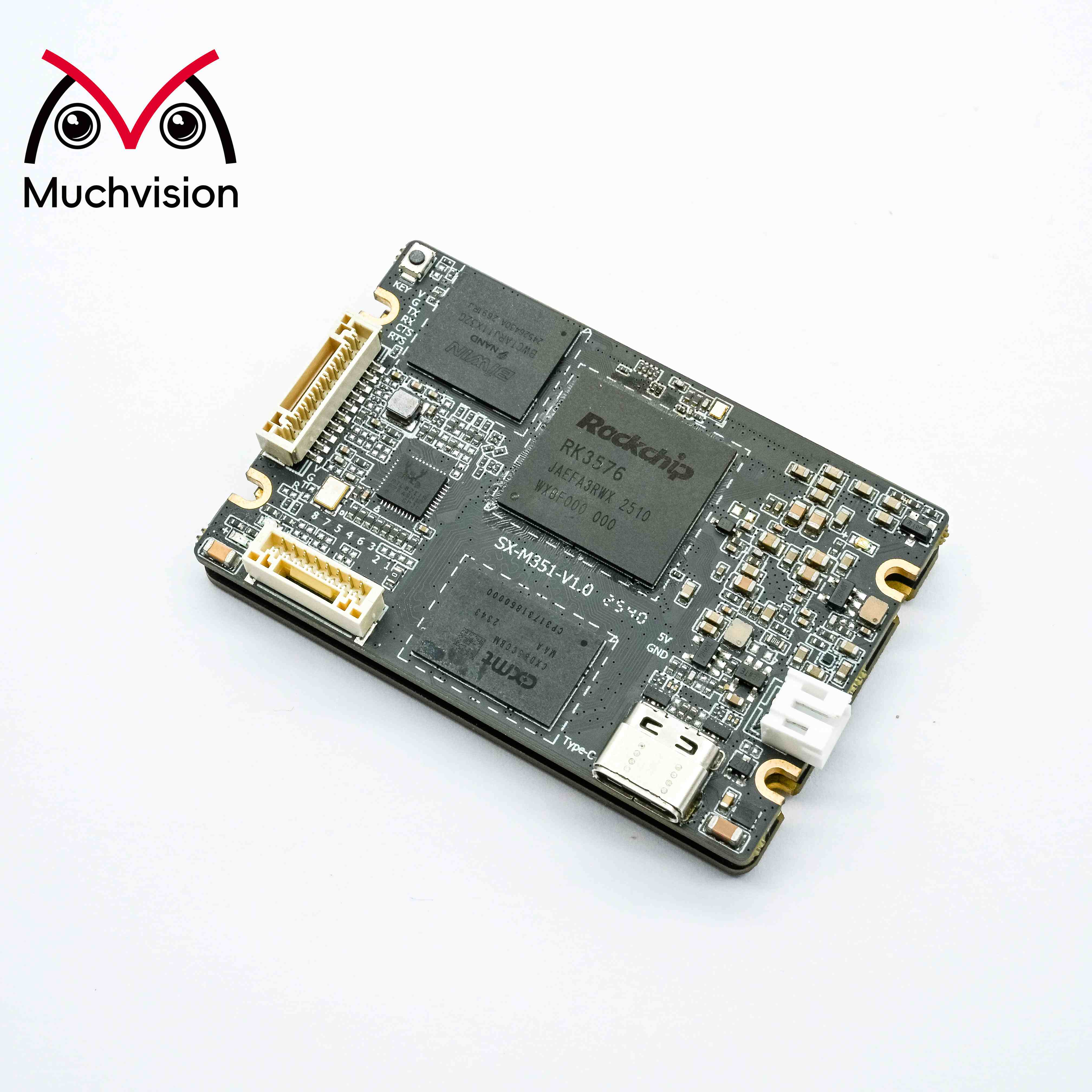
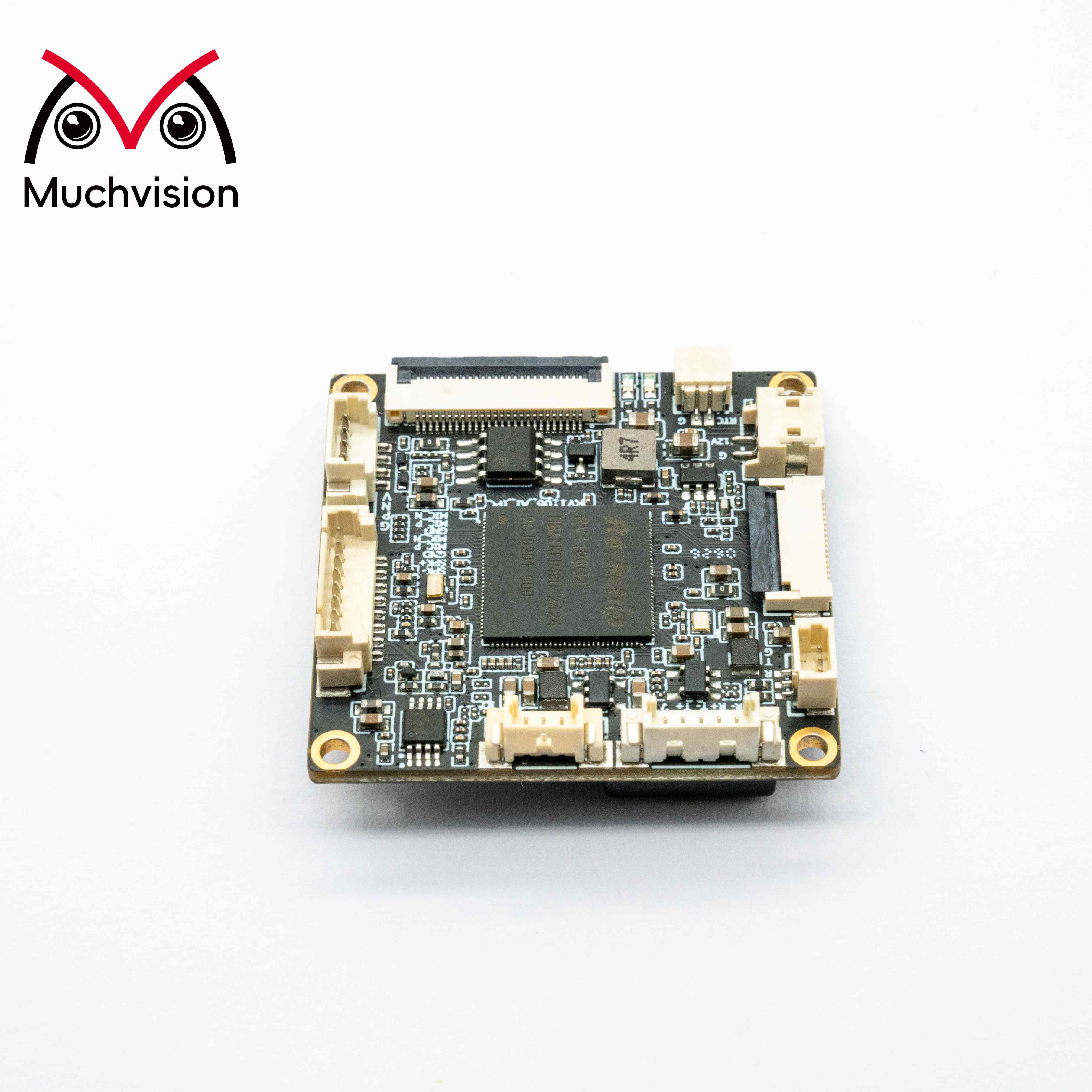
Edge computing hardware ranges from rugged IoT gateways consuming watts to fanless industrial PCs running full Kubernetes clusters. For distributed sites with moderate workloads, edge computing solutions based on ARM processors or compact x86 boards offer power efficiency and thermal simplicity crucial in challenging environments. For heavy compute or AI inference workloads, ruggedized edge computing servers with discrete GPUs or neural accelerators provide necessary performance. Containerization using Docker and Kubernetes enables consistent software deployment across heterogeneous edge computing infrastructure at different sites, simplifying updates and version control.
Software selection for edge computing must balance feature richness against resource constraints. Lightweight Linux distributions and minimal container runtimes preserve processing capacity for applications. Look for edge computing platforms supporting both cloud-native tools and traditional industrial protocols to bridge legacy IoT deployments with modern workloads. Your 2026 edge computing strategy should accommodate emerging AI frameworks, real-time databases, and security standards without architectural redesign.
Distributed edge computing sites multiply your security surface area, requiring robust authentication, encryption, and anomaly detection at each node. Implement certificate-based authentication for edge computing devices communicating with central systems, and enforce cryptographic signing of software updates distributed to remote locations. Storage and processing of sensitive data at edge computing nodes—especially in industrial IoT contexts—demands careful access controls and audit logging.
Operational monitoring of edge computing deployments across many sites demands automation and intelligence. Centralized dashboards displaying health, performance metrics, and latency from each distributed site enable rapid problem detection. Consider edge computing platforms offering zero-touch provisioning, automatic device discovery, and push-based software updates to minimize on-site IT overhead. By 2026, expect edge computing management tools to integrate AI-driven anomaly detection and self-healing capabilities, making large-scale distributed deployments more sustainable.
Edge computing typically achieves latencies of 1–50 milliseconds for local processing, compared to 50–500+ milliseconds for cloud round-trips. The actual latency depends on your IoT sensor-to-edge distance, processing complexity, and network quality. Well-designed edge computing architectures for distributed sites minimize variability and guarantee deterministic response times for critical workloads, making latency predictable rather than just low.
Node count depends on geographic spread, IoT density, redundancy requirements, and desired latency. A practical rule: place edge computing near IoT data sources to minimize sensor-to-edge hops, then cluster edge computing nodes regionally where connectivity and administrative efficiency permit. Start with one edge computing node per major site or per 50–100 IoT devices, then expand based on measured performance and availability targets.
Edge computing standards, AI acceleration, and security practices are evolving rapidly. Design flexibility into your distributed site architecture by adopting containerized workloads, modular hardware, and API-first management layers. By 2026, many organizations will integrate large language models and real-time AI reasoning into edge computing nodes, so ensure your architecture supports software updates and GPU acceleration without physical redesign.
 Hot News
2026-09-21
2026-09-18
2026-09-14
2026-09-13
2026-09-09
2026-09-09

 EN
EN