 ×
×
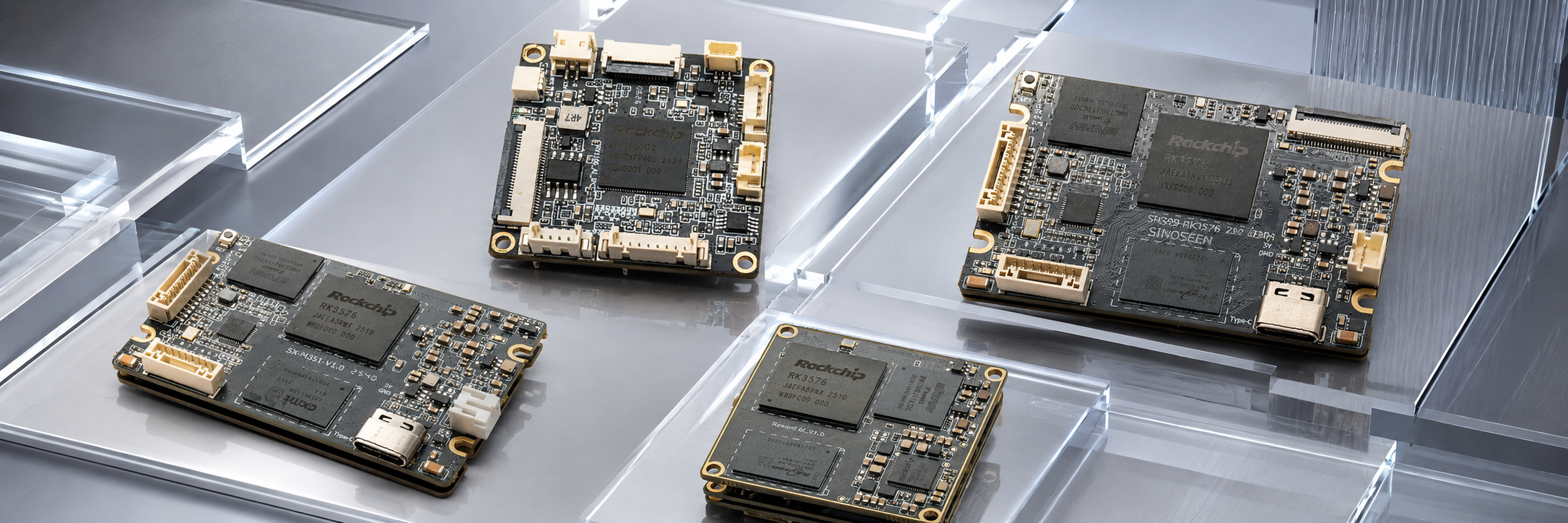
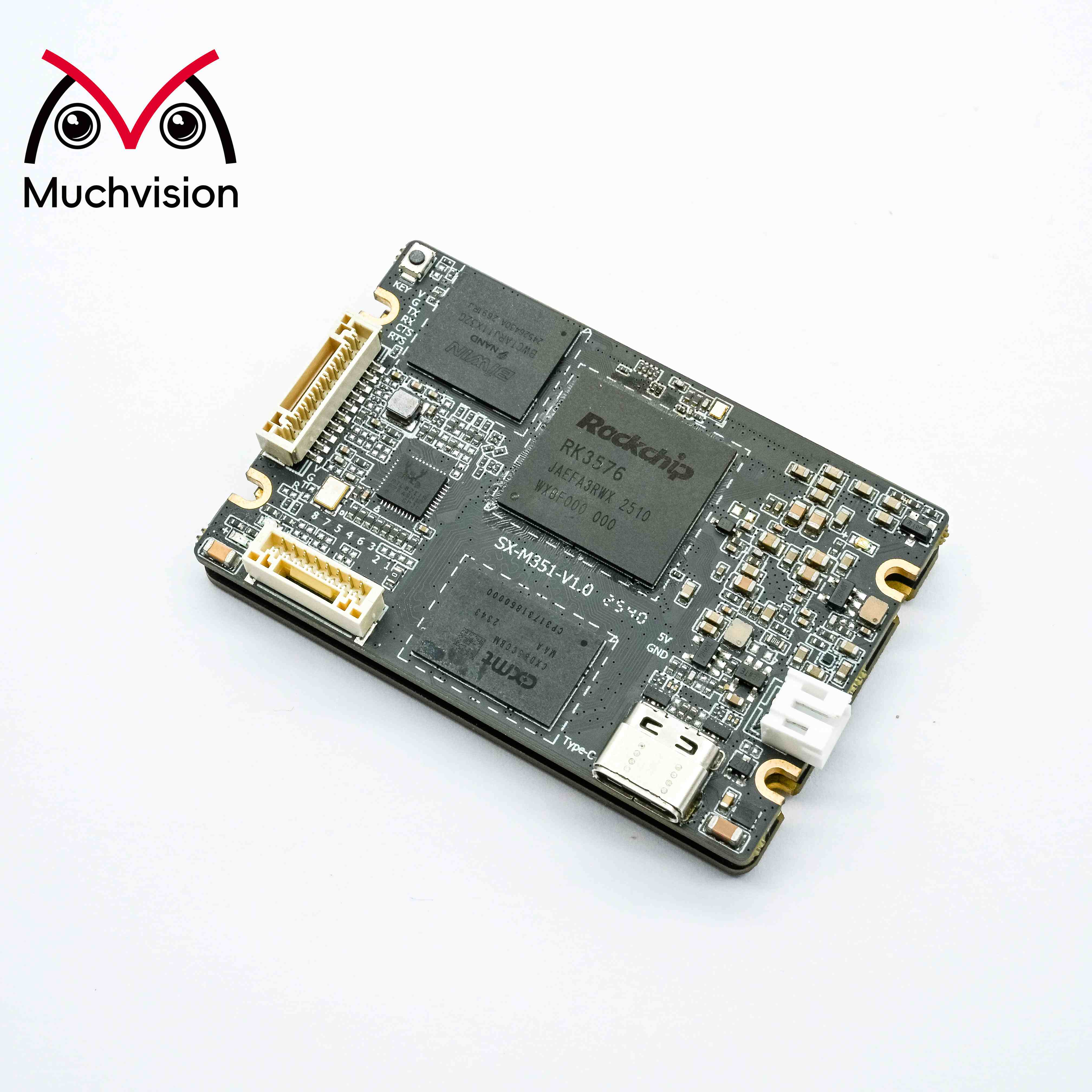
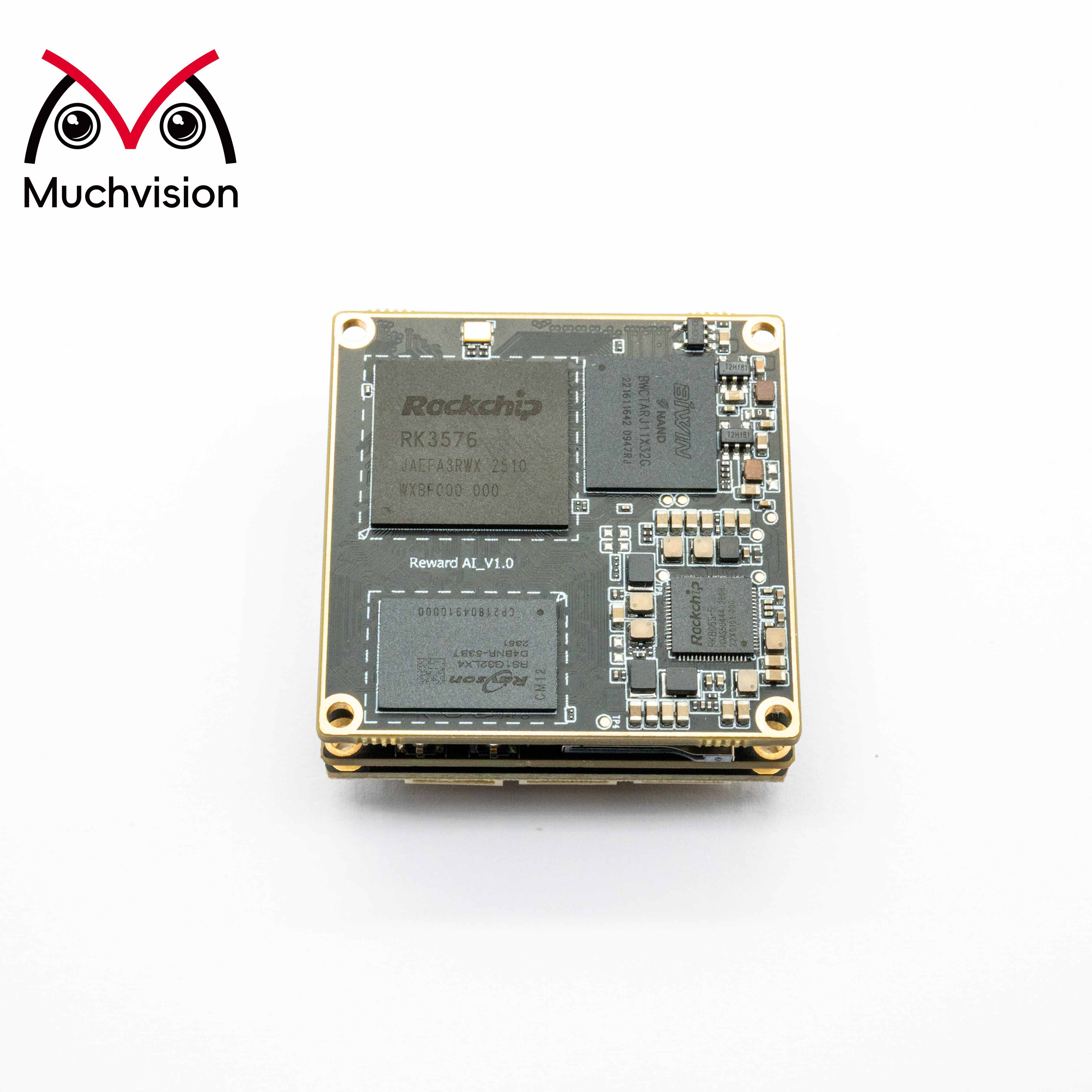
An ARM Cortex-A76 board paired with a carrier board delivers substantial advantages for OEM designs seeking to balance performance, power efficiency, and deployment flexibility. This architectural approach combines the raw processing power of the Cortex-A76 CPU cores with the modular design philosophy of system-on-module (SOM) technology. The result is a platform that accelerates time-to-market while reducing engineering complexity and long-term manufacturing risk for organizations building edge devices, industrial systems, and AI-enabled products.
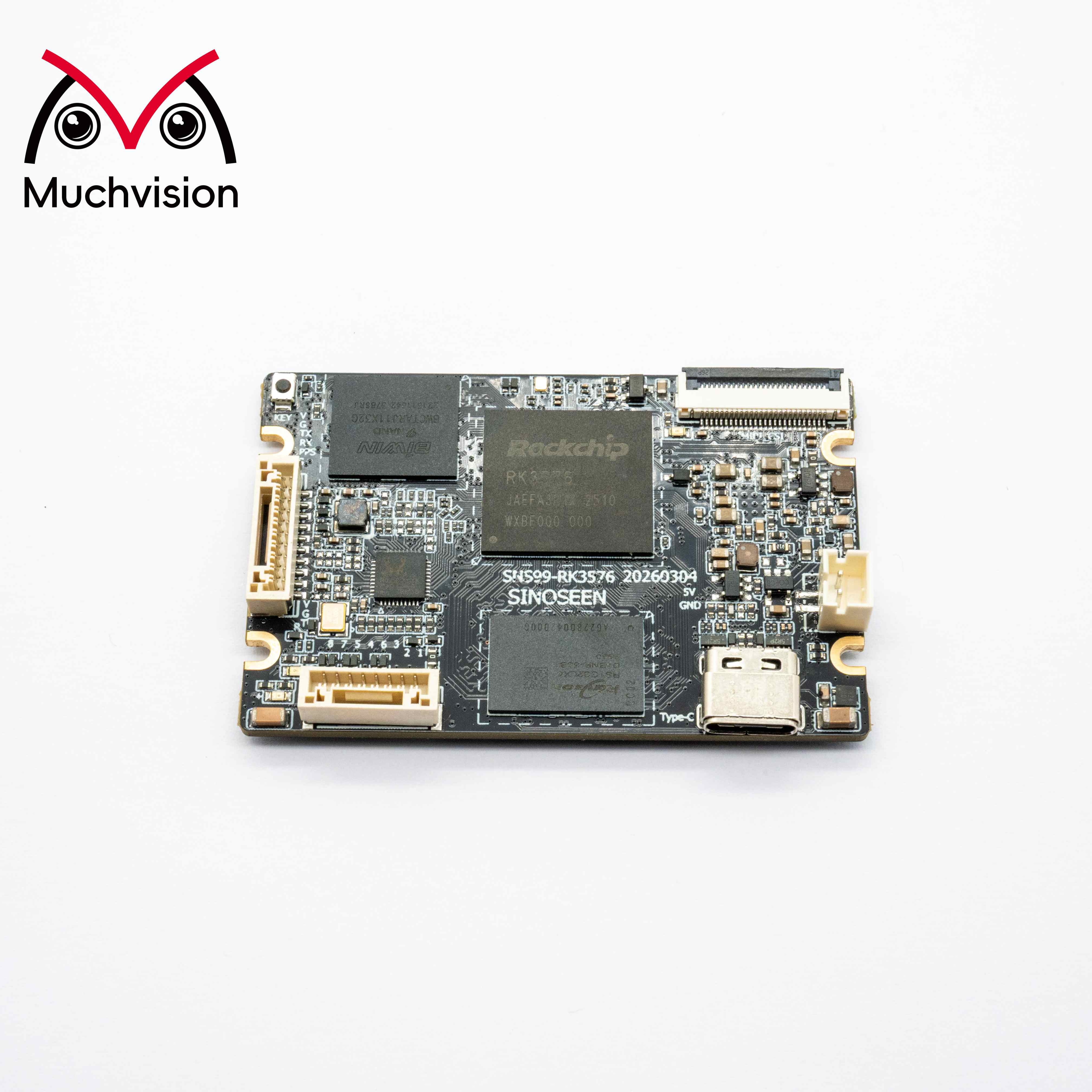
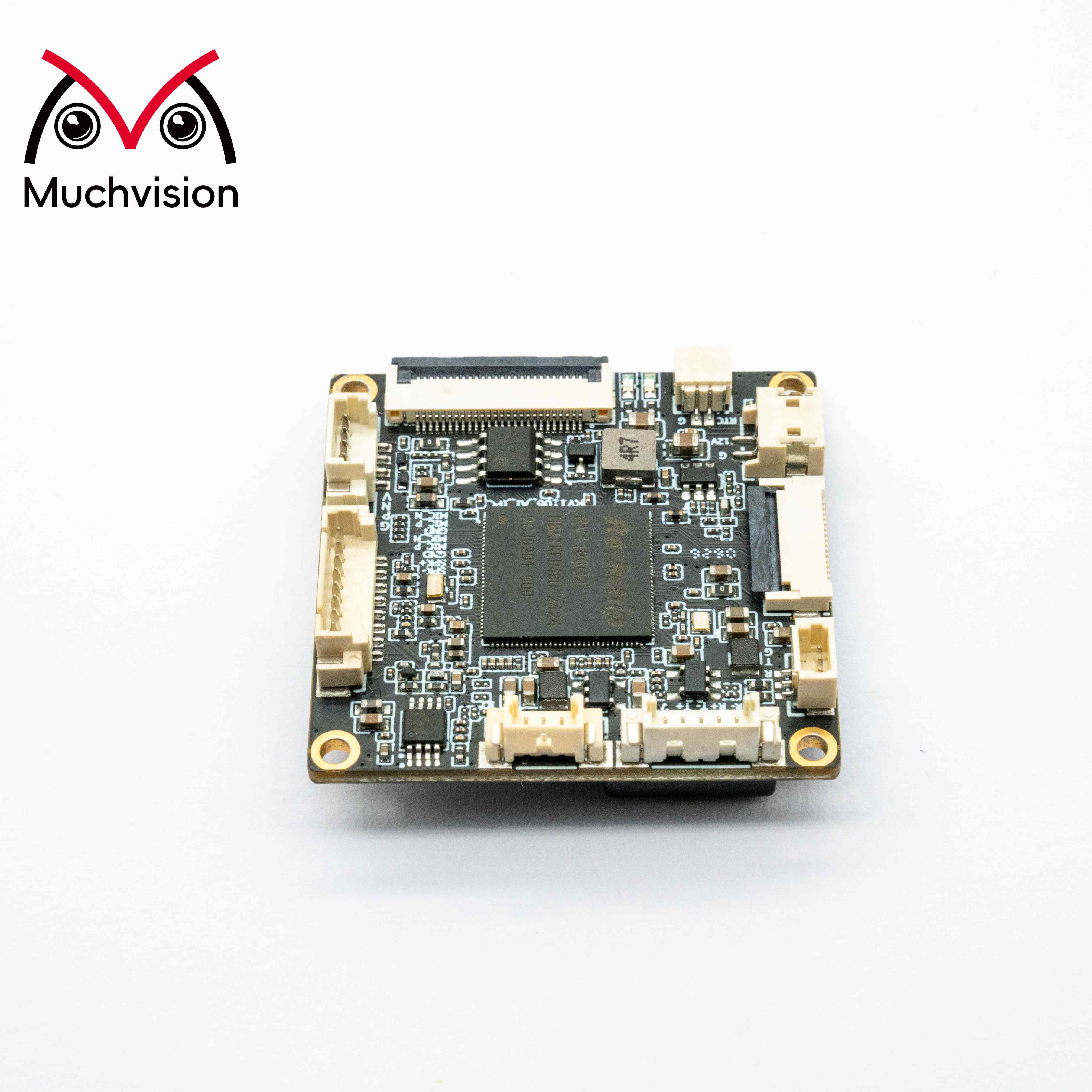
Understanding the synergy between an ARM Cortex-A76 board and a carrier board is essential for OEM engineers. Rather than designing a system from scratch, OEMs integrate a proven SOM onto a custom carrier that handles application-specific interfaces, power distribution, and mechanical integration. This separation of concerns simplifies validation, shortens development cycles, and ensures that your product benefits from the latest processor technology without requiring a full silicon redesign.
The ARM Cortex-A76 architecture delivers high single-threaded and multi-threaded performance, making it ideal for workloads requiring real-time responsiveness and sustained computational capacity. With its out-of-order execution and advanced branch prediction, the Cortex-A76 achieves faster clock-for-clock performance than previous generations. These specs directly translate to reduced latency in control systems, faster data processing in industrial IoT applications, and smoother execution of machine learning inference tasks. OEM designs that incorporate this board benefit from improved responsiveness without proportional increases in thermal or power budgets.
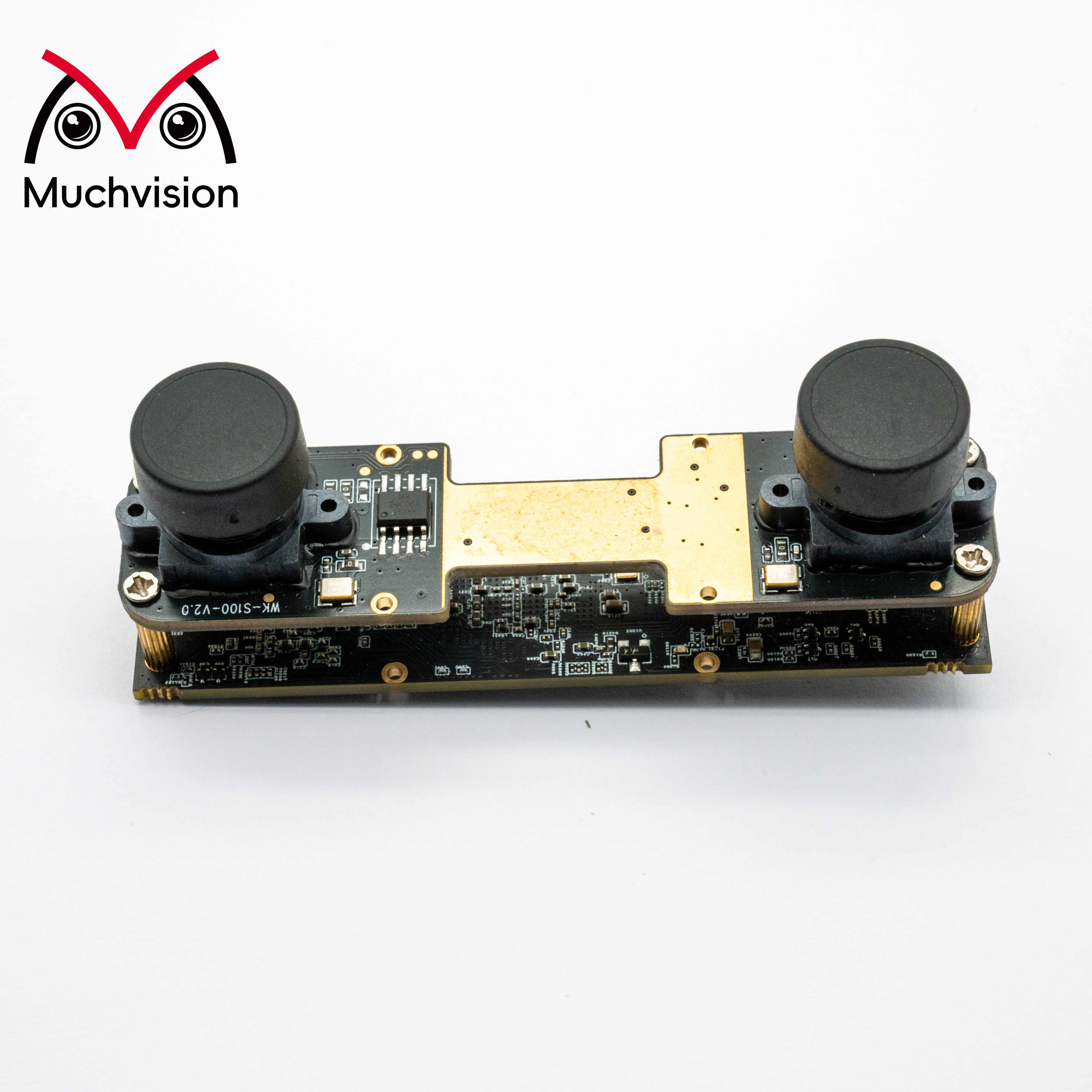
A carrier board expands the connectivity options available to an ARM Cortex-A76 board by providing flexible memory configurations, high-speed interfaces, and application-specific I/O ports. The SOM handles core computation, while the carrier manages memory bandwidth optimization, PCIe lanes, USB interfaces, and sensor integration. This modular arrangement allows OEMs to customize I/O without modifying the processor module itself, significantly reducing engineering effort and regulatory certification complexity. Whether your design requires industrial Ethernet, CAN bus interfaces, or high-resolution camera inputs, the carrier board architecture accommodates these needs efficiently.
Edge computing with an ARM Cortex-A76 board shifts computational workloads closer to data sources, enabling faster decision-making and reduced network dependency. Industrial facilities, autonomous systems, and smart sensors benefit from this architecture because processing occurs locally rather than relying on cloud connectivity. The comparison between cloud-dependent systems and edge solutions becomes clear when analyzing latency requirements: edge platforms using this board achieve millisecond-level response times, critical for safety-critical applications and time-sensitive industrial processes. By deploying inference workloads at the edge, OEM designs reduce bandwidth costs and improve system reliability in challenging network environments.
An ARM Cortex-A76 board often integrates with dedicated neural processing units or GPU acceleration available through the carrier board ecosystem. This combination enables efficient AI model execution without requiring external compute resources. Machine learning frameworks including TensorFlow Lite, ONNX Runtime, and native ARM optimization tools operate smoothly on this platform. The comparison of power-per-inference metric favors this architecture against competing solutions because the Cortex-A76 combines CPU performance with available acceleration hardware in a power-efficient package. OEM designers implementing computer vision, anomaly detection, or predictive maintenance algorithms discover that this board handles production-scale AI workloads while maintaining thermal and power constraints essential in embedded deployments.
The carrier board approach eliminates the need for OEMs to design core processing elements from scratch. By selecting a proven ARM Cortex-A76 board paired with an open or customizable carrier architecture, teams reduce schematic complexity and focus engineering resources on differentiated features. Prototyping cycles compress significantly because hardware validation focuses on carrier-level integration rather than processor stability and power delivery. This modular strategy particularly benefits small to mid-size OEM organizations lacking dedicated silicon expertise, allowing them to compete with larger competitors by leveraging mature SOM technology.
Carrier board separation from the SOM module provides supply chain advantages that isolated monolithic designs cannot match. If processor availability changes, OEM designs using this modular approach can adapt by swapping the SOM without redesigning the entire carrier infrastructure. The comparison between monolithic and modular architectures reveals clear advantages in flexibility and risk mitigation. OEMs manufacturing at volume benefit from carrier board standardization, leveraging cost reductions and shortened lead times. This architecture also supports incremental product upgrades, allowing designers to introduce enhanced processor specs while maintaining carrier board compatibility, extending product lifecycle and protecting manufacturing investments.
OEMs should evaluate CPU core count, maximum frequency, integrated cache hierarchy, thermal dissipation characteristics, memory bandwidth supported by the SOM, and available acceleration hardware on the carrier board. Additionally, power consumption profiles at various load levels, operating temperature ranges, and long-term availability commitments from the module manufacturer matter significantly for production designs. Comparing these specs against application requirements ensures the selected platform meets performance targets without over-provisioning, which would waste power and increase costs.
The comparison reveals that the Cortex-A76 offers superior single-threaded performance, proven software ecosystem maturity, and broad developer tool support compared to some alternatives. Its power efficiency in the performance-per-watt metric exceeds many competing architectures, making it especially suitable for always-on edge deployments. However, the comparison also depends on workload specifics: some applications may benefit from specialized architectures with different performance characteristics. The modular carrier board structure mitigates lock-in risk by maintaining flexibility in processor selection.
Yes, this combination supports mission-critical AI applications when paired with appropriate reliability features integrated into the carrier board design, including redundancy mechanisms, watchdog timers, and industrial-grade thermal management. Real-world deployments running computer vision inspection, predictive maintenance, and anomaly detection confirm the viability of this architecture for critical use cases. OEM engineers must ensure their carrier design includes necessary safety margins, comprehensive testing, and long-term supply chain agreements to guarantee production reliability and compliance with industry standards.
 Hot News
2026-09-21
2026-09-18
2026-09-14
2026-09-13
2026-09-09
2026-09-09

 EN
EN