 ×
×
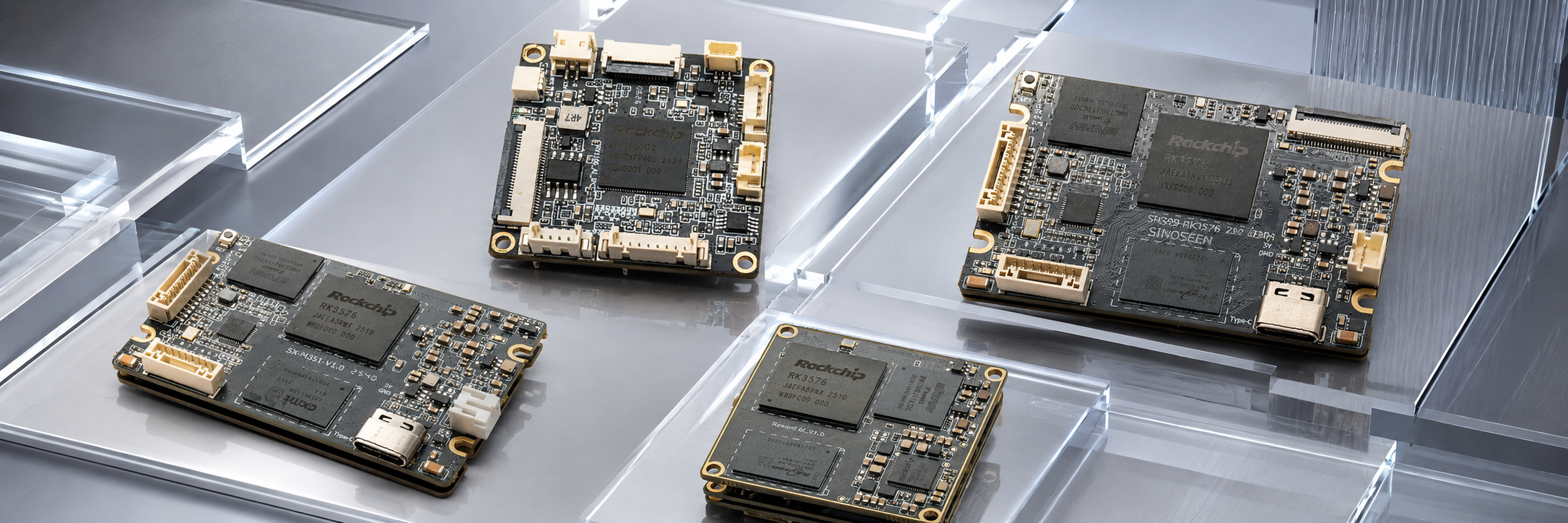
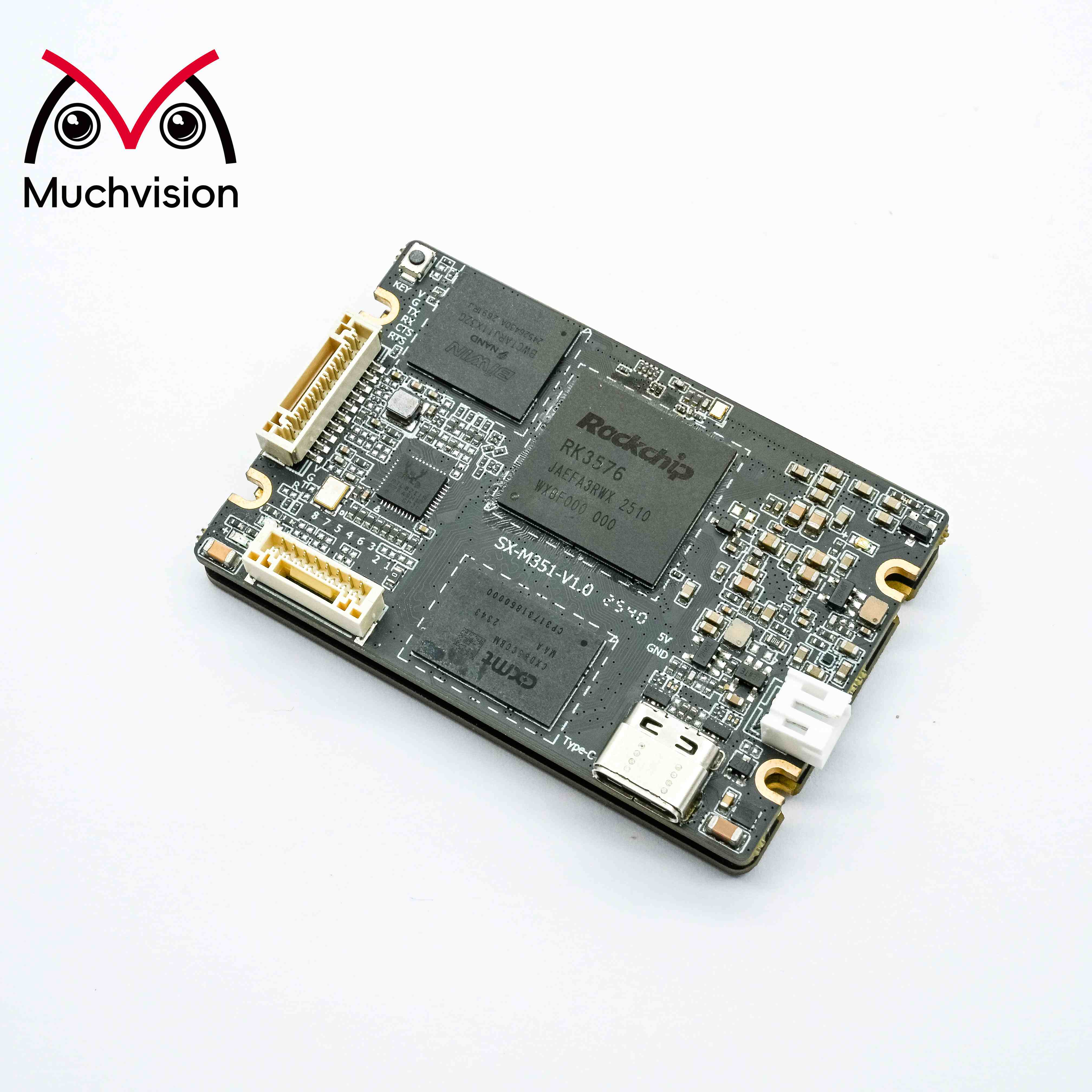
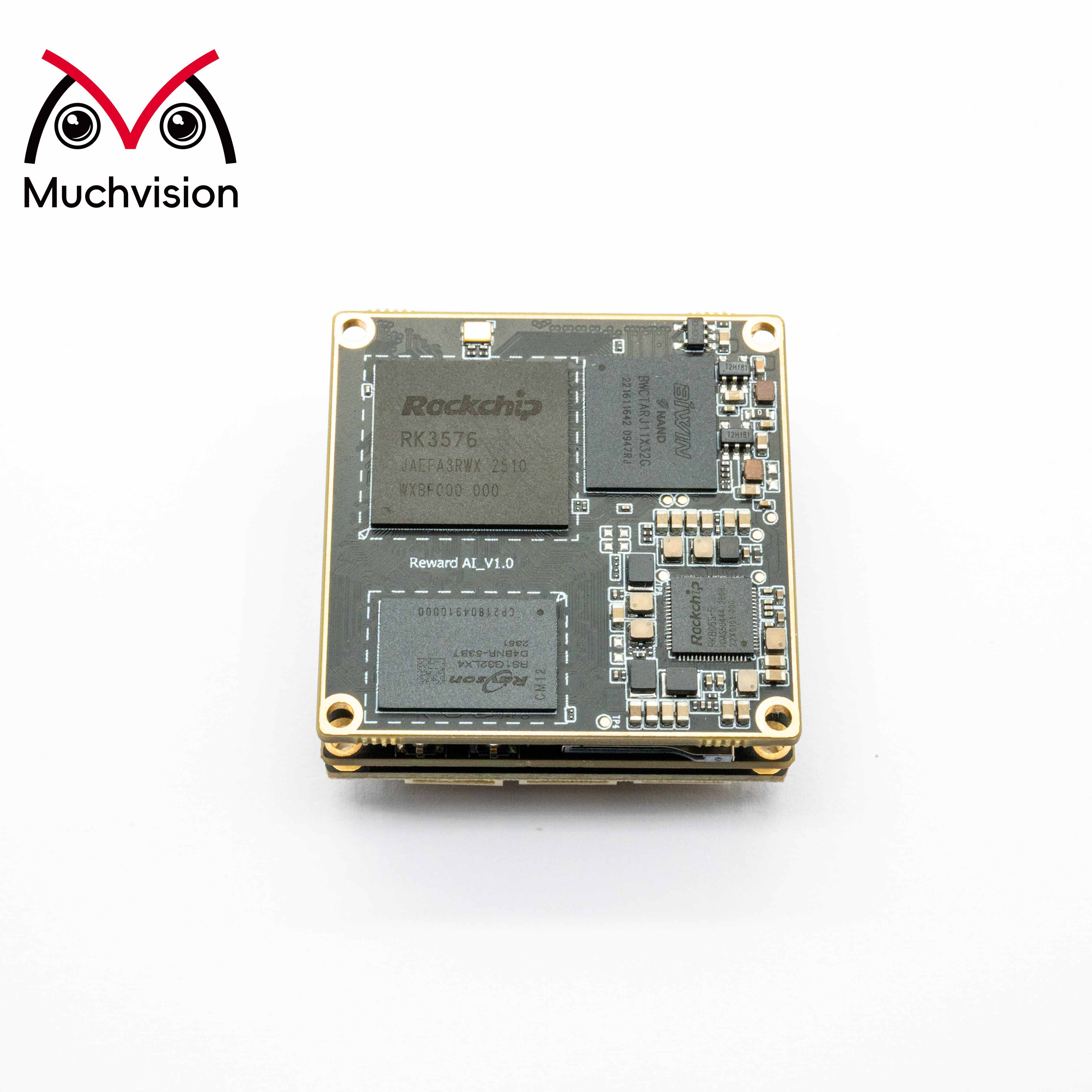
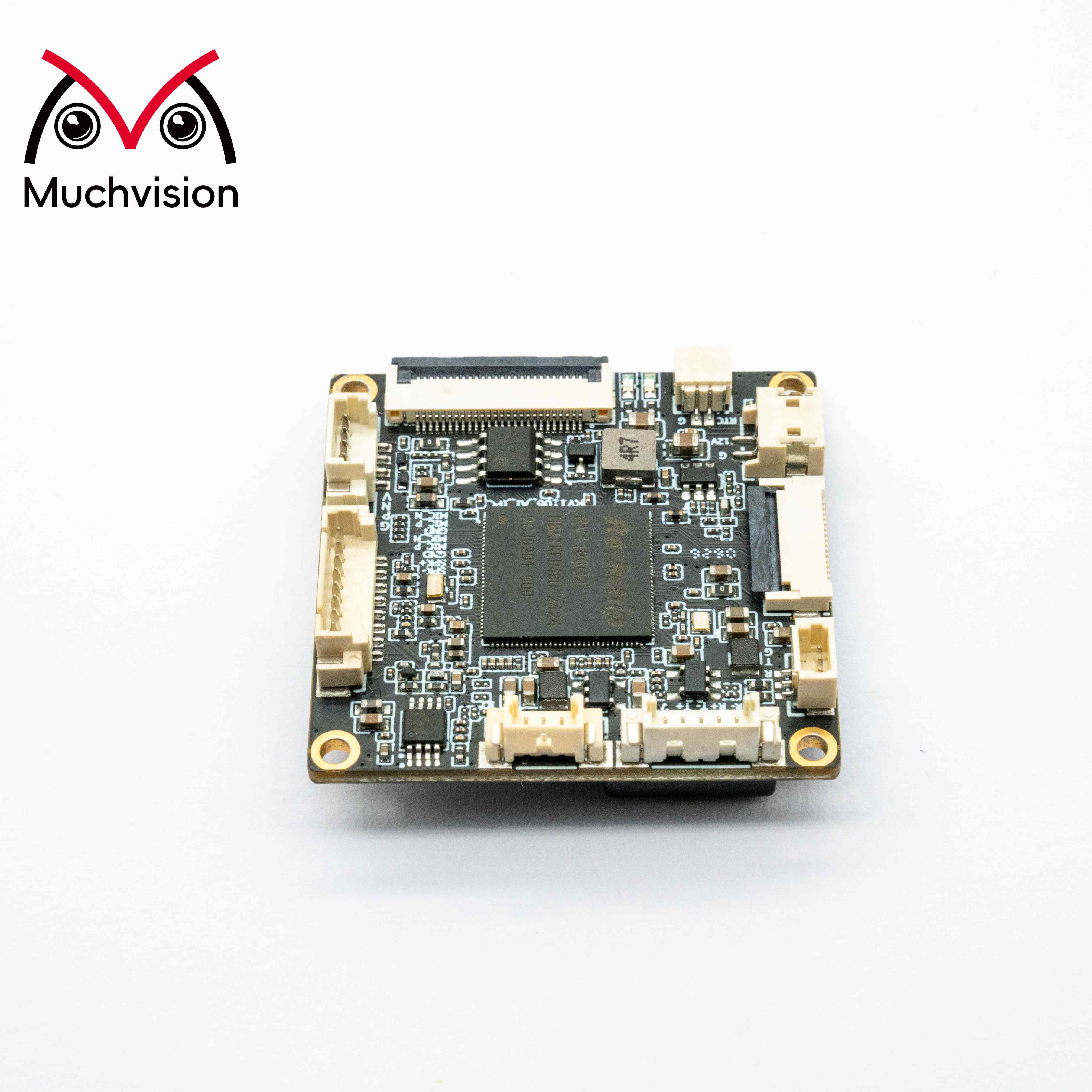
An embedded board has become essential for modern product development, enabling manufacturers to integrate advanced computing power directly into devices while maintaining compact form factors. From industrial automation to consumer electronics, embedded boards provide the foundation for intelligent, responsive products that meet today's demanding market requirements. Understanding the best use cases that showcase embedded board capabilities helps OEMs make informed decisions about architecture, component selection, and long-term product strategy.
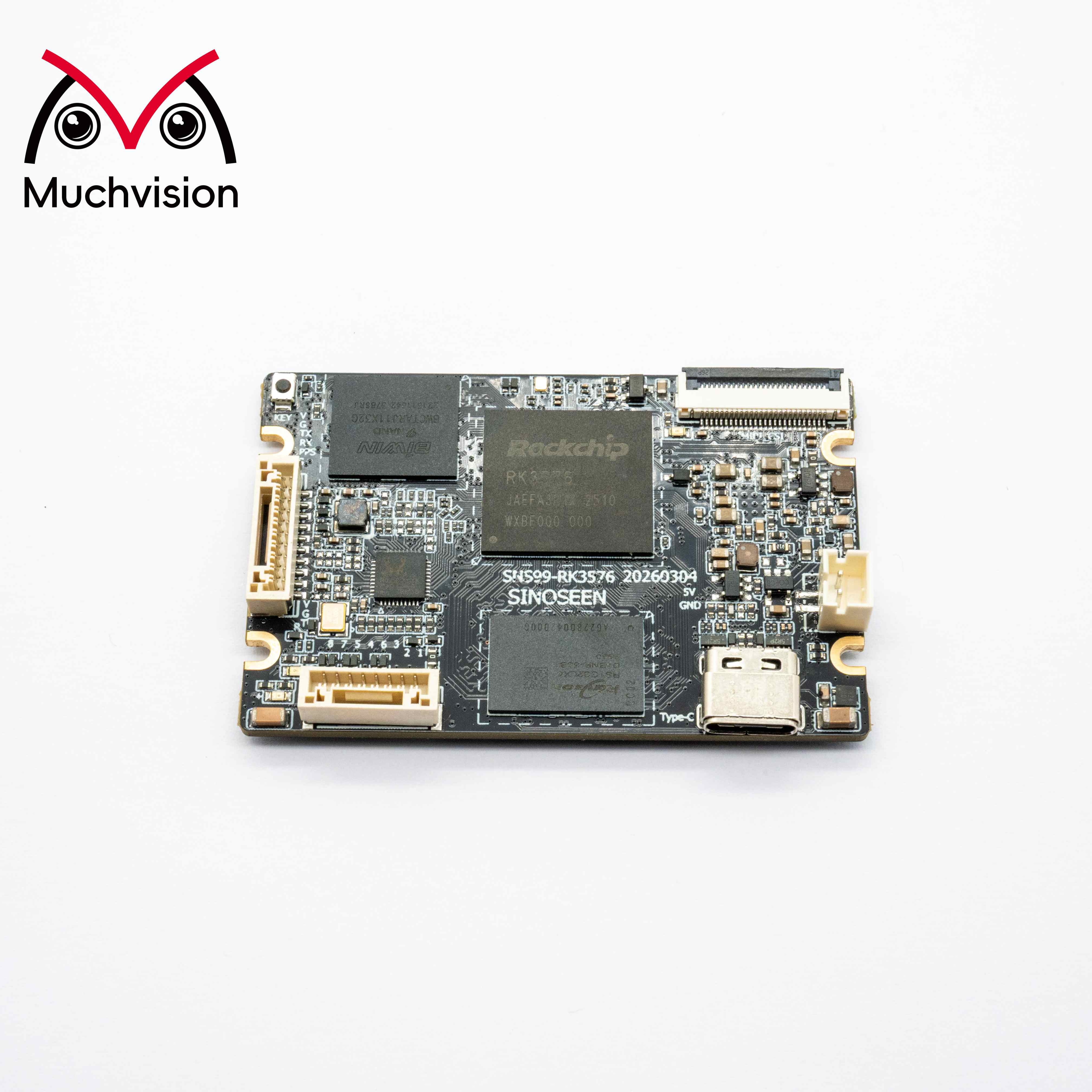
The market for embedded computing solutions continues to expand, with OEMs increasingly seeking embedded board solutions that balance performance, power efficiency, and cost effectiveness. This comparison guide examines key use cases across industries, highlighting how embedded boards enable innovation and competitive advantage in 2026 and beyond.
Industrial automation represents one of the strongest use cases for embedded board deployment. Manufacturing facilities increasingly rely on edge computing to process sensor data, execute control algorithms, and communicate with enterprise systems in real time. An embedded board integrated into machinery enables predictive maintenance by analyzing vibration patterns, temperature fluctuations, and operational metrics without requiring constant cloud connectivity. OEM equipment manufacturers benefit from reduced latency, improved reliability, and simplified system architecture when leveraging embedded computing platforms.
IoT applications in factories demand rugged, power-efficient solutions that operate reliably in challenging environments. Embedded boards excel at this, offering extended temperature ranges, industrial-grade components, and support for multiple communication protocols. The comparison between traditional centralized computing and edge-based embedded solutions reveals significant advantages in response time, bandwidth efficiency, and system resilience. For OEMs developing next-generation factory automation, selecting the right embedded board architecture directly impacts product competitiveness and customer satisfaction.
Predictive analytics powered by embedded boards transforms how OEMs deliver value to industrial customers. By deploying sophisticated algorithms at the edge, manufacturers can identify equipment failures before they occur, reducing downtime and extending asset lifespan. An embedded board with adequate processing capability can run machine learning models locally, enabling real-time anomaly detection without transmitting raw data to distant servers. This capability represents a critical differentiator for OEMs competing in 2026, where customers demand intelligent, autonomous systems that minimize operational disruption.
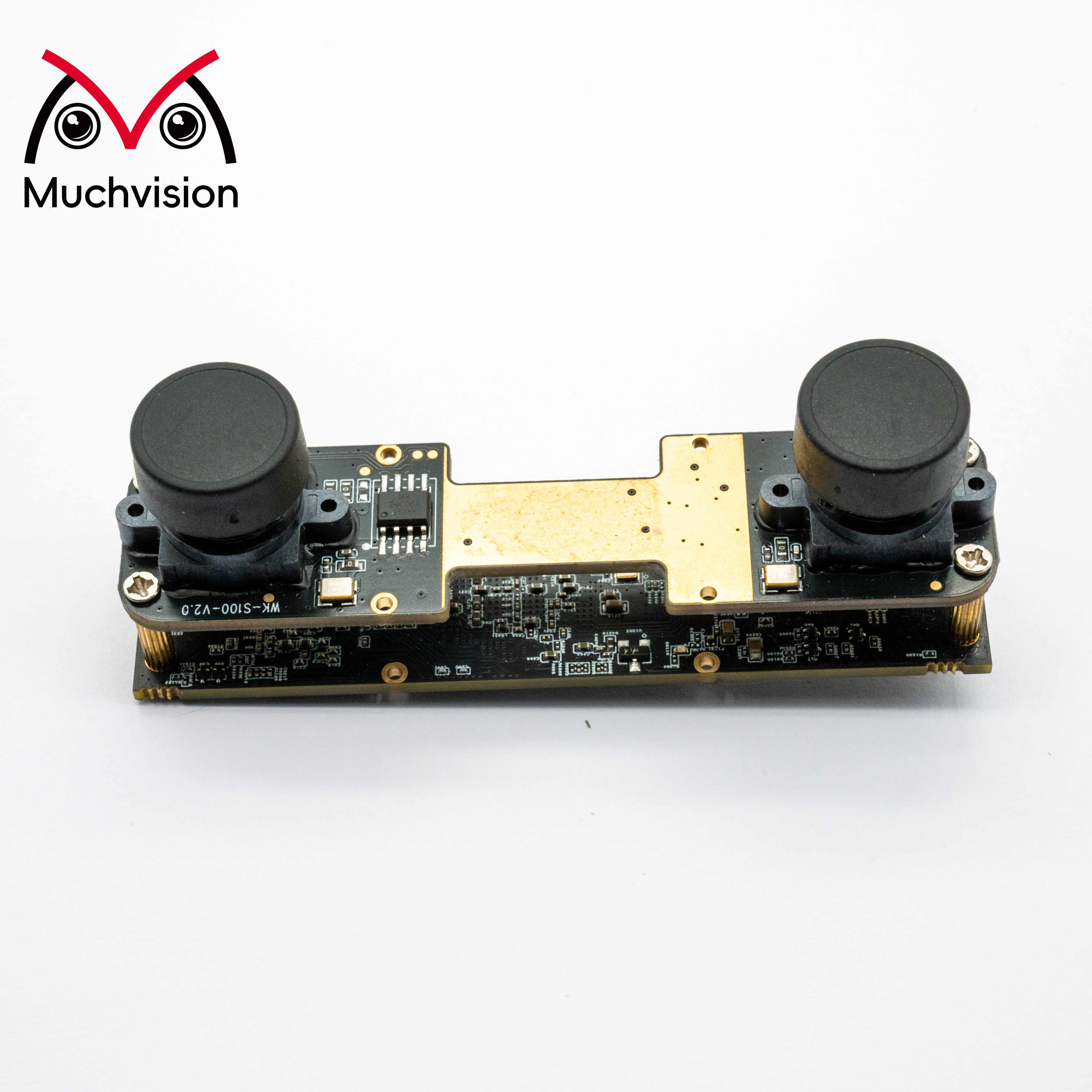
Computer vision applications showcase embedded board capabilities in ways that deliver immediate, measurable business value. Quality control systems that inspect products on production lines require high-speed image processing, real-time decision making, and reliable performance under continuous operation. An embedded board with integrated AI acceleration can perform defect detection, dimensional verification, and surface analysis without requiring external processing infrastructure. OEMs delivering vision-based inspection systems gain competitive advantage through reduced system complexity, lower power consumption, and faster deployment times compared to server-dependent alternatives.
The comparison between traditional PC-based vision systems and edge-embedded solutions reveals that embedded boards now match or exceed performance metrics in many scenarios while offering superior portability and reliability. In 2026, OEMs increasingly position embedded boards as the foundation for autonomous quality systems that customers expect as standard capabilities. From food processing to electronics manufacturing, embedded vision solutions powered by advanced embedded boards enable manufacturers to scale quality assurance while controlling costs and maintaining product traceability.
Autonomous systems require embedded boards capable of processing complex sensory inputs and executing real-time decision algorithms. Robotic platforms, autonomous vehicles, and intelligent drones all depend on embedded computing solutions that integrate camera feeds, lidar data, and sensor fusion into coherent navigation and control systems. An embedded board with sufficient processing power enables these systems to operate autonomously, making decisions without relying on external communication links or computational support. For OEMs developing autonomous platforms, selecting embedded boards with proven real-time performance and thermal stability becomes critical to product reliability and market acceptance.
Smart home devices depend on embedded boards to provide local processing, voice recognition, and device coordination without constant cloud connectivity. Smart speakers, security systems, and home automation hubs all utilize embedded computing to deliver responsive, privacy-conscious experiences that consumers increasingly demand. An embedded board in these applications handles audio processing, pattern recognition, and network management, creating seamless user experiences that differentiate products in competitive consumer markets. OEMs focused on connected devices recognize that embedded board architecture directly influences product intelligence, battery life, and feature richness.
Edge AI represents perhaps the most compelling use case for demonstrating embedded board capabilities in the current market. By deploying machine learning models directly on embedded boards, OEMs eliminate latency, reduce bandwidth requirements, and enhance privacy compared to cloud-dependent alternatives. Real-time analytics platforms that operate on embedded boards enable customers to detect trends, identify anomalies, and respond to events immediately, without waiting for data transmission or remote processing. This capability transforms embedded boards from passive computing nodes into intelligent, autonomous systems that drive significant value for end customers. The comparison between 2024 and 2026 embedded board offerings clearly shows marked improvements in AI acceleration, enabling OEMs to deliver increasingly sophisticated edge intelligence with relatively modest power consumption and cost.
Industrial manufacturing, healthcare, automotive, telecommunications, and consumer electronics all benefit significantly from embedded board capabilities. Any sector where edge processing, real-time decision making, or autonomous operation creates competitive advantage represents a strong use case. OEMs in these industries find that embedded boards enable product differentiation while reducing system complexity and support costs compared to traditional centralized computing architectures.
The comparison reveals distinct advantages for embedded boards in specific scenarios: lower latency, reduced bandwidth requirements, improved privacy, better reliability, and minimal external dependencies. However, server-based solutions excel when processing vast data volumes, supporting multiple concurrent users, or requiring unlimited computational resources. Smart OEMs increasingly adopt hybrid approaches, using embedded boards for local intelligence and real-time response while maintaining cloud connectivity for historical analysis, machine learning model training, and administrative functions.
OEMs should prioritize thermal performance, power efficiency, AI acceleration capabilities, software support maturity, and long-term availability guarantees. The embedded board selection process must align with specific application requirements, environmental constraints, and scalability plans. Evaluating a guide comparing processing power, connectivity options, and ecosystem support helps OEMs identify solutions that deliver optimal performance and total cost of ownership for their specific use cases.
 Hot News
2026-09-21
2026-09-18
2026-09-14
2026-09-13
2026-09-09
2026-09-09

 EN
EN