Cloud Computing and Edge Computing

Get a Free Quote

Our representative will contact you soon.
Email
Name
Company Name
Message
0/1000

cloud computing and edge computing

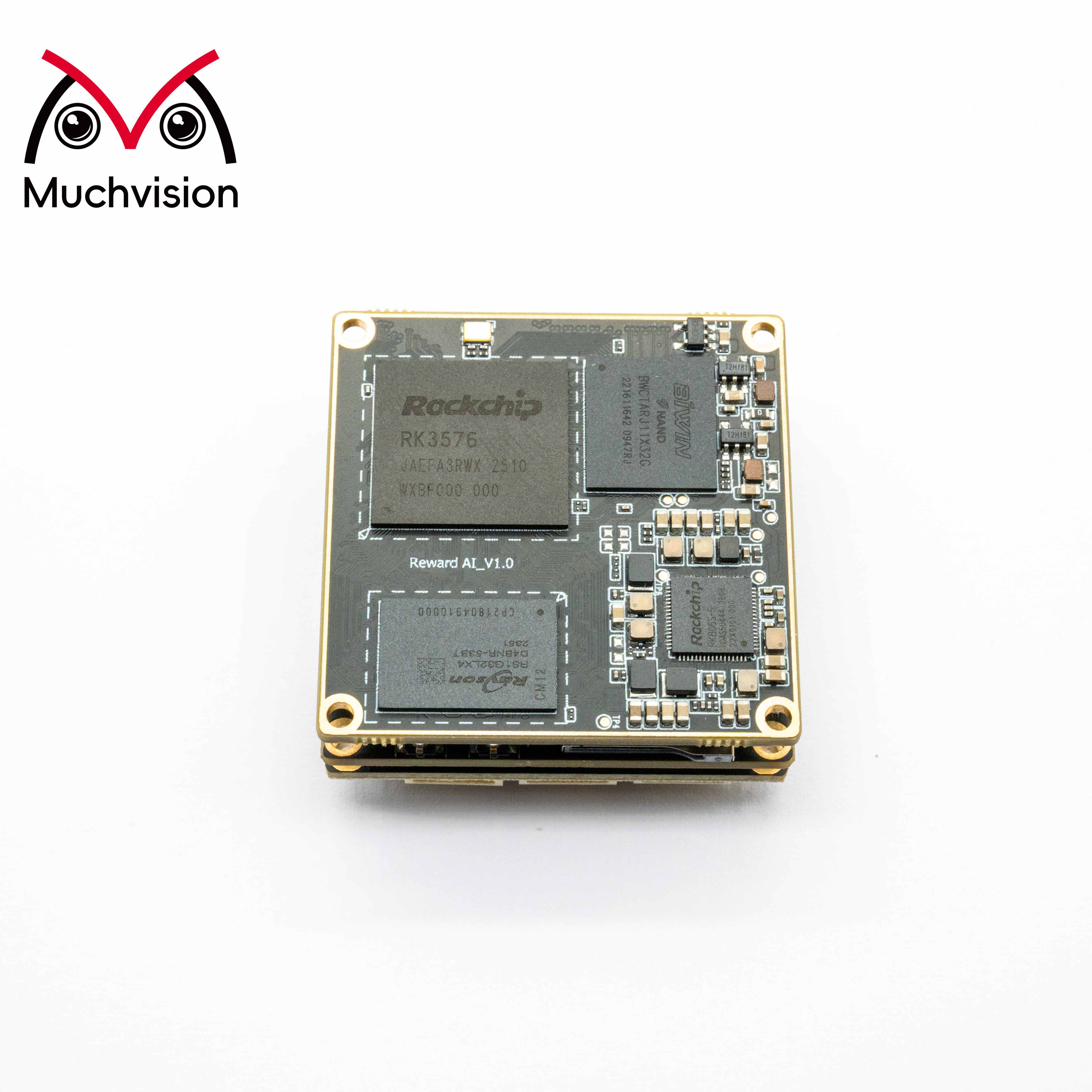
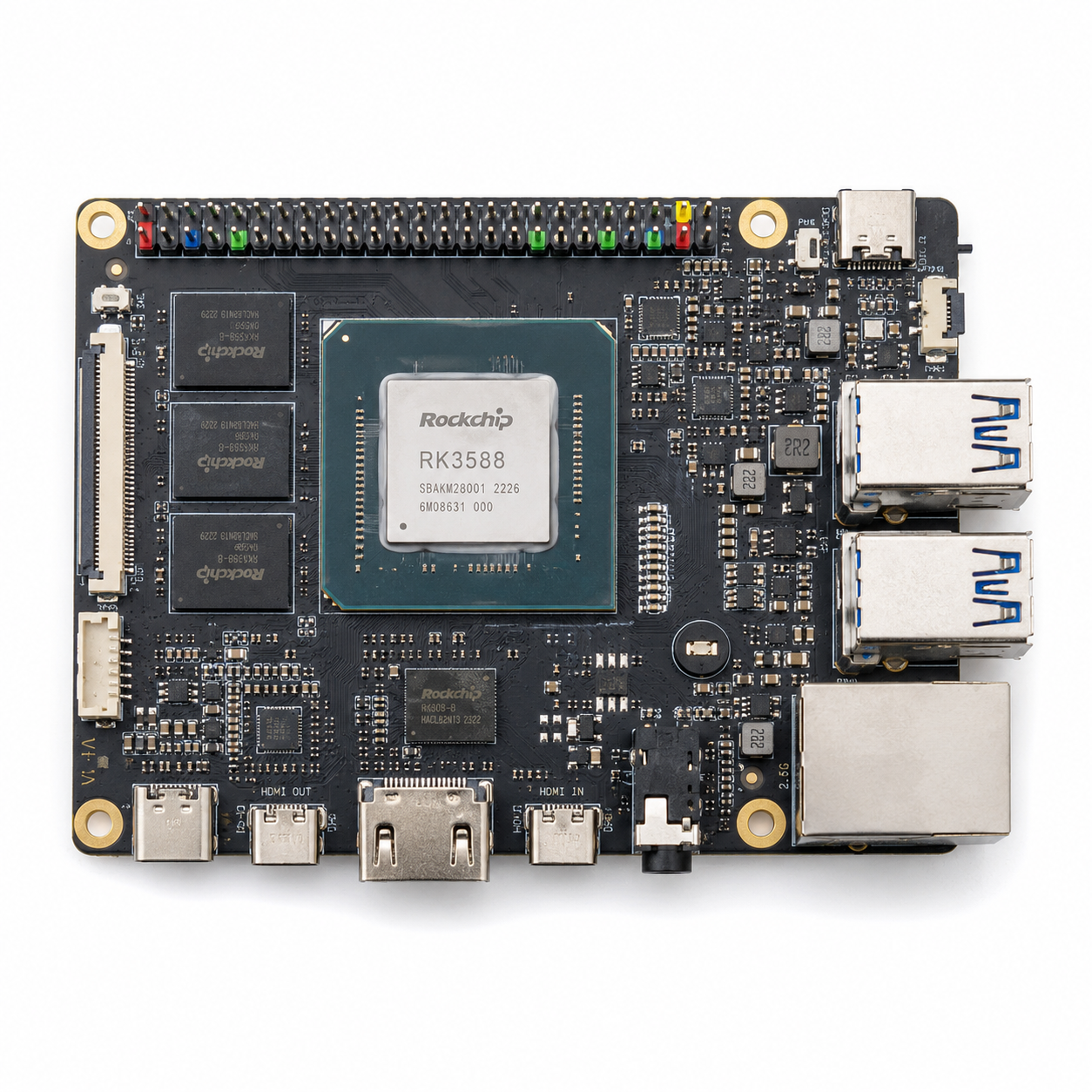
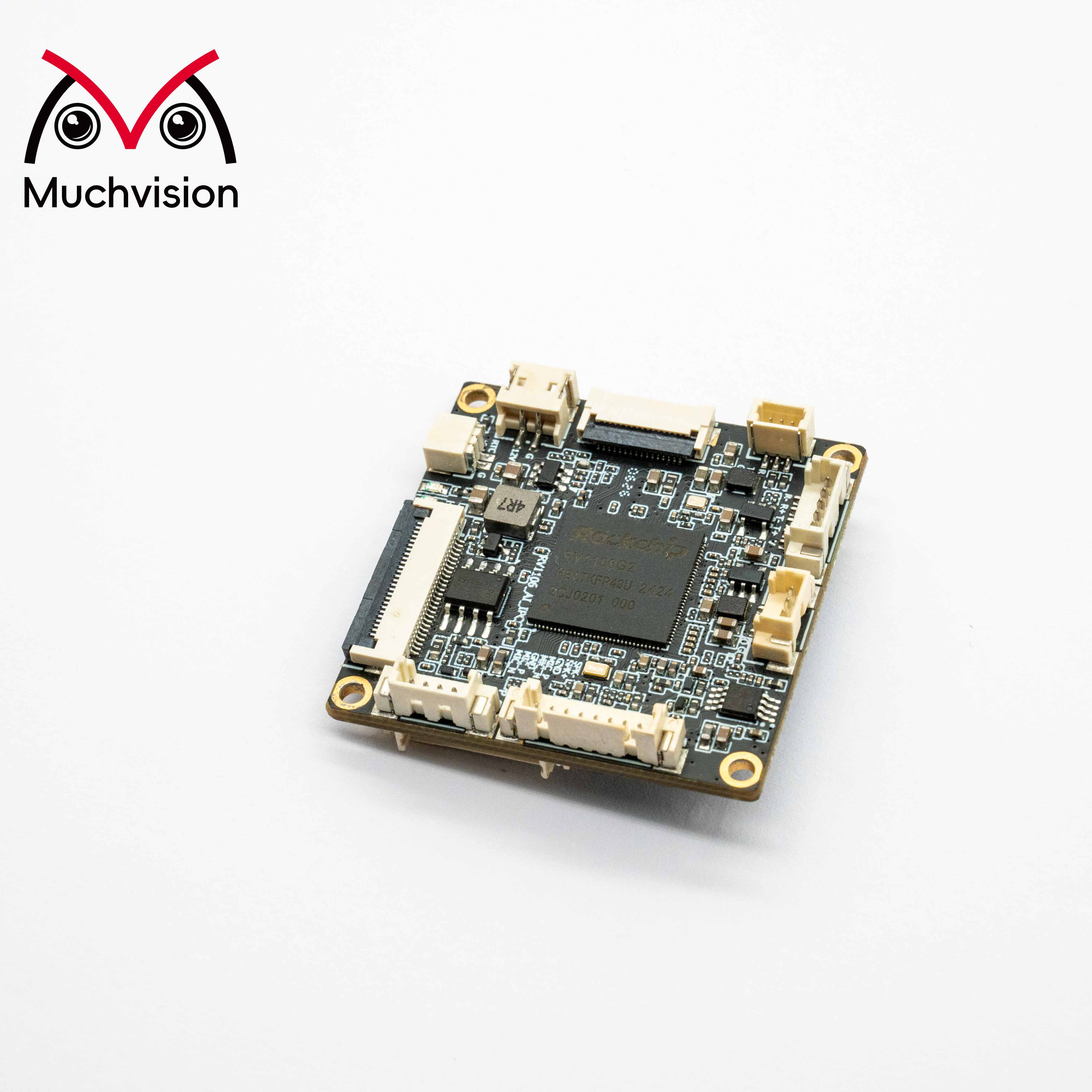
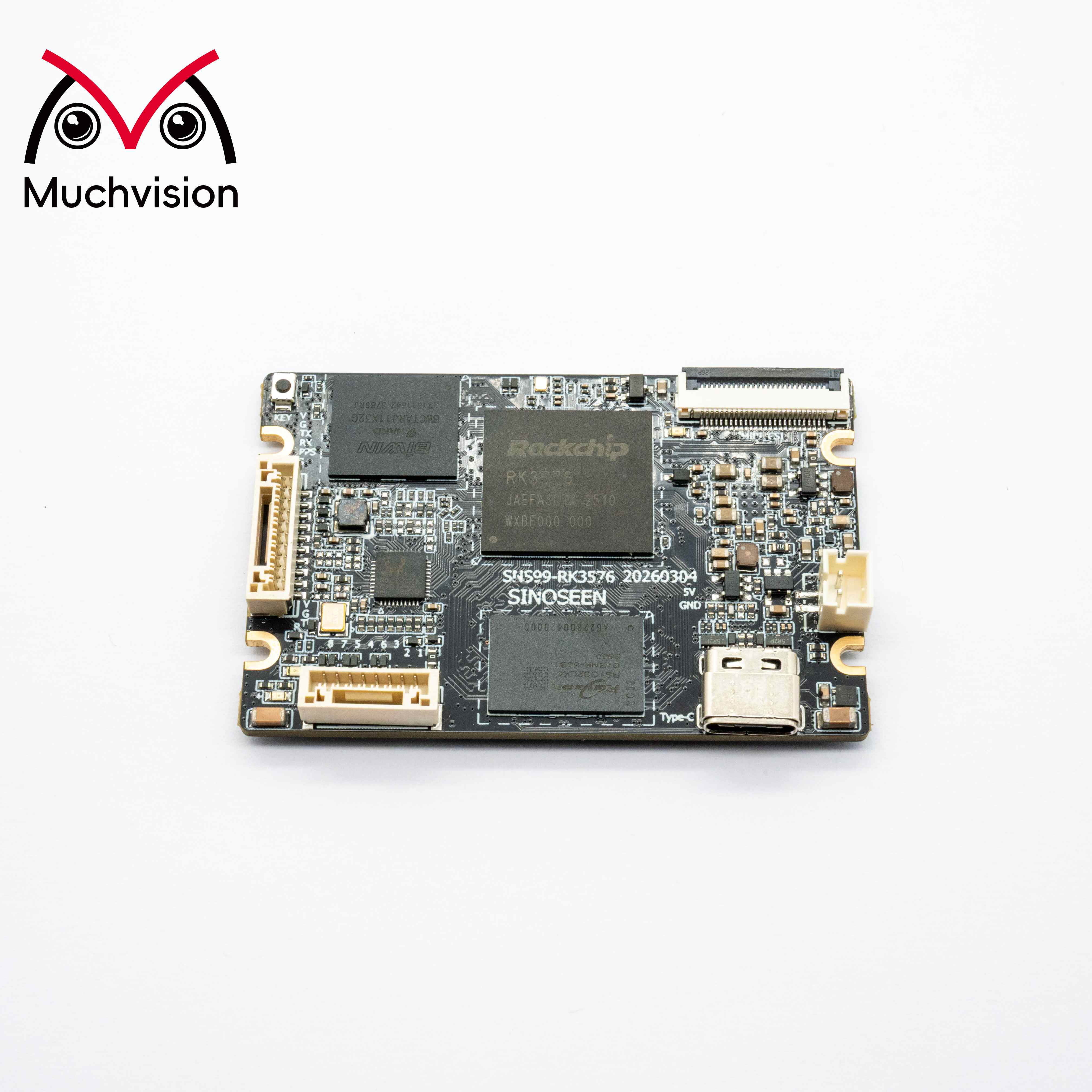
Cloud computing and edge computing represent two complementary paradigms that transform how organizations manage, process, and store data. Cloud computing and edge computing serve distinct but interconnected functions in modern IT infrastructure. Cloud computing and edge computing together enable businesses to optimize performance and reduce latency while maintaining centralized control. Cloud computing delivers computing resources, including servers, storage, and applications, over the internet from centralized data centers. This model provides scalability, allowing organizations to expand resources on demand without physical infrastructure investment. Edge computing and cloud computing work synergistically by processing data closer to its source at network edges, minimizing transmission delays. Key technological features of cloud computing and edge computing include virtualization, distributed networks, and real-time processing capabilities. Cloud computing and edge computing utilize advanced algorithms for intelligent data routing and decision-making. The architecture supports multiple deployment models: public, private, and hybrid configurations that blend both approaches. Applications span diverse industries. Cloud computing and edge computing enable smart manufacturing through real-time monitoring and immediate response capabilities. Healthcare facilities leverage cloud computing and edge computing for patient data management and telemedicine services. Retail businesses implement cloud computing and edge computing for inventory management and personalized customer experiences. Telecommunications companies deploy cloud computing and edge computing to enhance network efficiency and reduce bandwidth consumption. Financial institutions utilize cloud computing and edge computing for fraud detection and secure transactions. The synergy between cloud computing and edge computing creates powerful solutions addressing modern connectivity challenges and computational demands across enterprises of all sizes.

New Product Recommendations

Cloud computing and edge computing deliver transformative operational benefits that directly impact your business performance and bottom line. These technologies work together to create systems that respond faster and operate more efficiently than traditional infrastructure alone. Cloud computing and edge computing reduce infrastructure costs significantly by eliminating expensive on-site hardware investments and reducing energy consumption. You benefit from predictable subscription-based pricing models that align spending with actual usage. This cost efficiency extends to maintenance and updates, which providers handle automatically, freeing your IT team for strategic initiatives. Operational performance improves dramatically when you implement cloud computing and edge computing. Processing data at the network edge eliminates transmission delays, enabling real-time decision-making crucial for competitive advantage. Cloud computing and edge computing combination ensures your applications respond instantly to user demands, enhancing customer satisfaction and retention. Cloud computing and edge computing suit diverse business scenarios perfectly. Organizations requiring global reach leverage cloud computing and edge computing for seamless international operations. Businesses demanding immediate response times, like autonomous vehicles or industrial automation, rely on edge processing within cloud computing and edge computing frameworks. Remote teams collaborate effortlessly using cloud-based tools integrated with edge-local processing. Scalability represents another compelling advantage of cloud computing and edge computing. Your resources grow automatically during peak periods and contract during off-peak times, optimizing costs. Cloud computing and edge computing platforms support millions of transactions simultaneously without performance degradation. Security and reliability strengthen with cloud computing and edge computing implementations. Multiple redundancy layers and distributed processing ensure continuous operation even during component failures. Encryption protocols and compliance frameworks protect your sensitive data across cloud computing and edge computing infrastructure. Disaster recovery becomes seamless through automated backups and failover mechanisms built into these systems.

Tips And Tricks

Understand Bayer Pattern And Image Signal Processor In Embedded Vision

25

Jun

Understand Bayer Pattern And Image Signal Processor In Embedded Vision

View More
What are Depth-sensing Cameras? How Many Types of Depth-sensing Cameras

25

Jun

What are Depth-sensing Cameras? How Many Types of Depth-sensing Cameras

View More
GMSL2 vs Ethernet Camera: the Main Differences in Embedded Vision

25

Jun

GMSL2 vs Ethernet Camera: the Main Differences in Embedded Vision

View More

Get a Free Quote

Our representative will contact you soon.
Email
Name
Company Name
Message
0/1000

cloud computing and edge computing

Real-Time Processing and Reduced Latency

Real-Time Processing and Reduced Latency

Cloud computing and edge computing fundamentally transform response times by processing information where it originates. Traditional cloud-only systems transmit all data to distant data centers, creating delays harmful to time-sensitive applications. Cloud computing and edge computing eliminates this bottleneck by executing computations at network edges while maintaining cloud oversight. This architecture proves essential for autonomous vehicles requiring instantaneous decision-making, industrial robots coordinating complex manufacturing processes, and healthcare devices monitoring critical patient vitals. The combination of cloud computing and edge computing ensures decisions happen milliseconds after events occur, not seconds later. Financial trading platforms benefit immensely from this architecture, executing transactions before market conditions shift. Cloud computing and edge computing reduces bandwidth consumption by processing and filtering data locally, transmitting only essential information to central systems. This efficiency extends battery life for mobile devices and IoT sensors. Organizations implementing cloud computing and edge computing report dramatic improvements in application responsiveness and user experience satisfaction.
Cost Optimization and Scalable Infrastructure

Cost Optimization and Scalable Infrastructure

Cloud computing and edge computing create intelligent resource allocation that dramatically reduces operational expenses. Rather than maintaining expensive on-premise servers that sit idle most of the time, cloud computing and edge computing provide pay-as-you-go models matching actual consumption. Organizations scale resources up during demand spikes and scale down during quiet periods automatically, preventing wasteful over-provisioning. Cloud computing and edge computing eliminates capital expenditure for hardware, replacing it with predictable operational spending. Maintenance costs disappear as providers manage all updates and repairs within cloud computing and edge computing systems. The distributed nature of cloud computing and edge computing ensures efficient load balancing across multiple servers, maximizing hardware utilization. Small startups compete effectively against larger enterprises by leveraging cloud computing and edge computing without major capital investments. Energy costs plummet when organizations transition from managing massive data centers to cloud computing and edge computing infrastructure. Geographic redundancy within cloud computing and edge computing prevents expensive downtime incidents that once devastated businesses relying solely on local systems.
Enhanced Security and Continuous Reliability

Enhanced Security and Continuous Reliability

Cloud computing and edge computing implement multi-layered security protocols protecting your valuable business data from evolving cyber threats. Enterprise-grade encryption ensures data remains protected whether stored in cloud computing and edge computing systems or transmitted across networks. Cloud computing and edge computing providers employ dedicated security teams monitoring threats continuously, providing protection exceeding what individual organizations typically achieve independently. Automated compliance frameworks within cloud computing and edge computing help meet regulatory requirements across healthcare, finance, and government sectors effortlessly. Distributed architecture inherent to cloud computing and edge computing ensures services remain operational even when individual components fail. Redundant systems automatically handle failover within cloud computing and edge computing infrastructure, eliminating single points of failure. Automatic backup mechanisms built into cloud computing and edge computing prevent catastrophic data loss from accidents or disasters. Recovery time objectives shrink dramatically with cloud computing and edge computing implementations, enabling business continuity during unexpected incidents. Organizations report significantly reduced security incidents and faster threat responses after implementing cloud computing and edge computing solutions throughout their infrastructure.

Get a Free Quote

Our representative will contact you soon.
Email
Name
Company Name
Message
0/1000