Edge in Computing: Distributed Processing

Get a Free Quote

Our representative will contact you soon.
Email
Name
Company Name
Message
0/1000

edge in computing

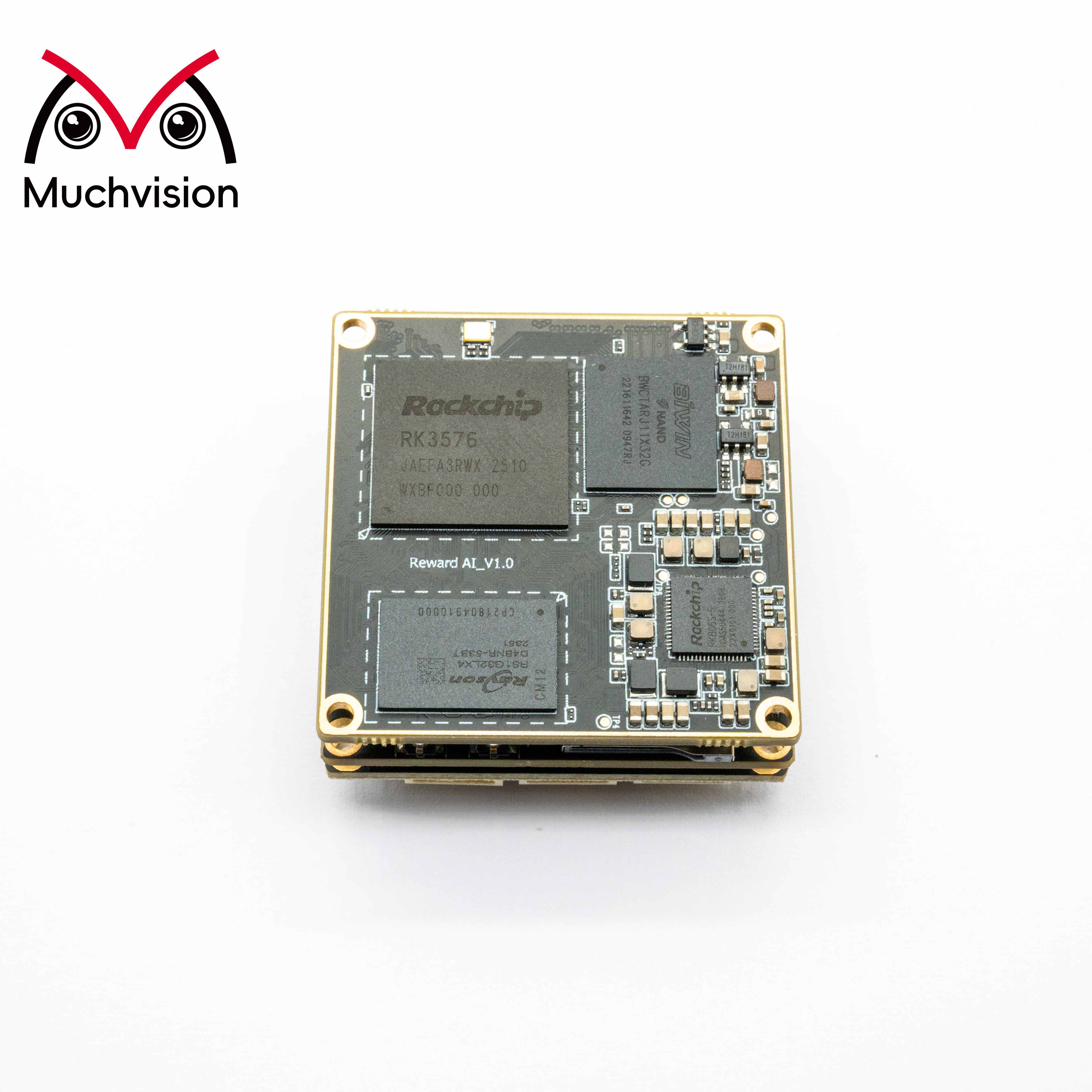
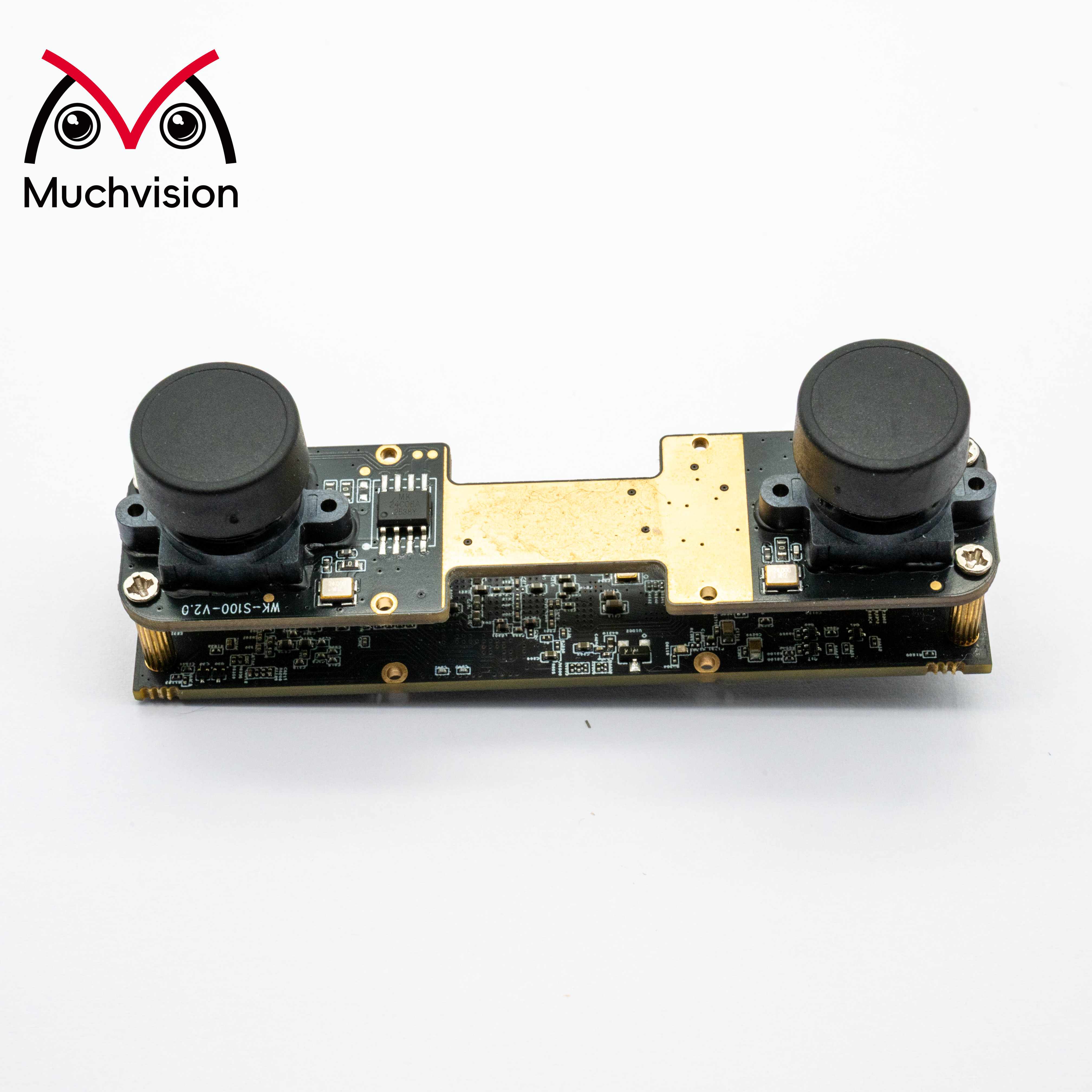
Edge in computing represents a transformative approach to data processing that brings computational power closer to data sources. Rather than sending all information to centralized cloud servers, edge in computing processes data locally on devices and edge servers positioned near where data originates. This distributed architecture fundamentally changes how organizations handle information, enabling faster response times and reduced bandwidth consumption. The main functions of edge in computing include real-time data processing, immediate decision-making, and enhanced privacy protection. By processing sensitive information locally, edge in computing minimizes data transmission to remote centers, strengthening security postures. Organizations implementing edge in computing can analyze vast datasets instantly without experiencing cloud latency. Key technological features of edge in computing encompass advanced processors, machine learning capabilities, and IoT integration. These components work seamlessly within the edge in computing framework to deliver intelligent automation. Devices operating within edge in computing ecosystems can function autonomously, making critical decisions without constant cloud connectivity. Applications of edge in computing span multiple industries. Manufacturing facilities utilize edge in computing for predictive maintenance and quality control. Healthcare providers leverage edge in computing for patient monitoring and diagnostic support. Retail environments employ edge in computing for inventory management and personalized customer experiences. Smart cities benefit from edge in computing through traffic optimization and emergency response systems. The practical significance of edge in computing continues growing as IoT devices proliferate. Organizations seeking competitive advantages increasingly adopt edge in computing solutions to enhance operational efficiency and customer satisfaction while maintaining data sovereignty and reducing infrastructure costs.

New Product Recommendations

Edge in computing delivers substantial operational benefits that transform business performance. Organizations immediately experience faster response times since data processing occurs locally rather than traveling to distant cloud facilities. This proximity eliminates delays, enabling real-time decision-making critical for time-sensitive operations. Customers gain significant value through improved service quality and reliability. Edge in computing ensures services continue functioning even during internet connectivity disruptions, maintaining business continuity. This resilience proves invaluable for mission-critical applications where downtime creates substantial costs. Operational efficiency improves dramatically with edge in computing implementations. Bandwidth consumption decreases substantially since organizations transmit only essential processed data rather than raw information streams. This reduction directly lowers networking costs while improving overall system performance. Data security represents another compelling advantage of edge in computing. Sensitive information remains on local devices and edge servers rather than traveling across networks to centralized repositories. This approach satisfies strict data protection regulations and privacy requirements organizations face worldwide. Edge in computing proves exceptionally suitable for IoT applications, autonomous vehicles, industrial automation, and healthcare monitoring systems. These use cases demand immediate processing and cannot tolerate cloud latency. Organizations deploying edge in computing for these applications report enhanced capabilities and competitive advantages. The decision to implement edge in computing reflects forward-thinking strategy. Businesses recognize that edge in computing addresses contemporary challenges posed by massive data volumes and distributed operations. Companies adopting edge in computing solutions position themselves for scalability, demonstrating commitment to innovation. Cost management benefits emerge through edge in computing adoption. Organizations reduce cloud computing expenses and infrastructure investments required for centralized processing. This financial efficiency allows reallocation of resources toward strategic business initiatives, maximizing return on investment and organizational growth potential.

Latest News

Understand Bayer Pattern And Image Signal Processor In Embedded Vision

25

Jun

Understand Bayer Pattern And Image Signal Processor In Embedded Vision

View More
What are Depth-sensing Cameras? How Many Types of Depth-sensing Cameras

25

Jun

What are Depth-sensing Cameras? How Many Types of Depth-sensing Cameras

View More
GMSL2 vs Ethernet Camera: the Main Differences in Embedded Vision

25

Jun

GMSL2 vs Ethernet Camera: the Main Differences in Embedded Vision

View More

Get a Free Quote

Our representative will contact you soon.
Email
Name
Company Name
Message
0/1000

edge in computing

Real-Time Processing Capabilities

Real-Time Processing Capabilities

Edge in computing enables instantaneous data analysis at the source, eliminating delays inherent in cloud-based processing. Organizations utilizing edge in computing experience immediate insights into operational metrics, customer behavior, and system performance. This real-time capability proves essential for manufacturing environments where split-second decisions determine product quality and safety. Healthcare providers implementing edge in computing can monitor patient vitals instantly, triggering alerts before critical situations develop. Retailers adopting edge in computing analyze shopping patterns immediately, personalizing customer experiences on the spot. The competitive advantage provided by edge in computing's real-time processing capabilities cannot be overstated. Companies leveraging edge in computing transform raw data into actionable intelligence instantly, enabling rapid response to market opportunities and threats. This processing speed fundamentally differentiates organizations utilizing edge in computing from competitors relying on traditional cloud architectures.
Enhanced Data Security and Privacy

Enhanced Data Security and Privacy

Edge in computing strengthens security postures by processing sensitive information locally rather than transmitting it across networks. Organizations implementing edge in computing minimize data exposure to potential breaches during transmission. Sensitive customer information, financial records, and proprietary data remain protected within edge in computing frameworks. Healthcare organizations benefit substantially from edge in computing's privacy protections, satisfying HIPAA requirements and patient expectations. Financial institutions leverage edge in computing to secure transaction data and customer information effectively. Edge in computing proves particularly valuable for organizations operating under strict data residency requirements and regulatory mandates. The architecture of edge in computing supports compliance with GDPR, CCPA, and other privacy regulations by keeping data localized. Edge in computing provides organizations peace of mind knowing critical information stays protected within controlled environments rather than exposed during cloud transmission.
Reduced Bandwidth and Cost Efficiency

Reduced Bandwidth and Cost Efficiency

Edge in computing dramatically reduces bandwidth consumption by processing data locally and transmitting only essential insights to centralized systems. Organizations deploying edge in computing report significant decreases in network utilization and associated costs. This efficiency proves particularly valuable for operations managing thousands of distributed devices generating continuous data streams. Edge in computing transforms the economics of large-scale deployments by minimizing expensive data transmission requirements. The cost benefits of edge in computing extend beyond network savings to encompass reduced cloud computing expenses. Organizations implementing edge in computing require less centralized infrastructure capacity, translating to substantial capital and operational savings. Edge in computing enables organizations to scale operations without proportionally increasing cloud infrastructure investments. Small and medium enterprises particularly benefit from edge in computing's cost efficiency, making advanced technological capabilities accessible without prohibitive expenses.

Get a Free Quote

Our representative will contact you soon.
Email
Name
Company Name
Message
0/1000