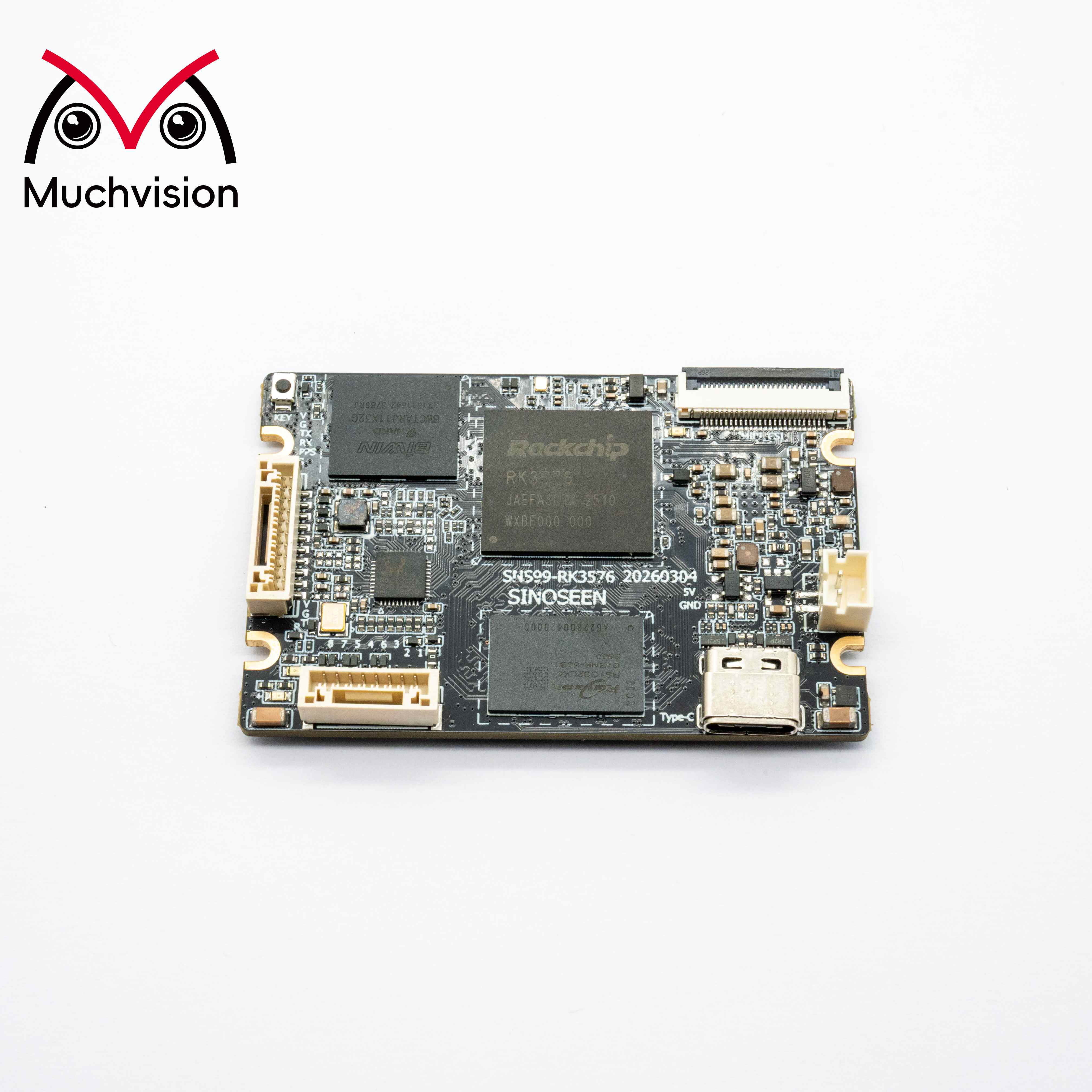
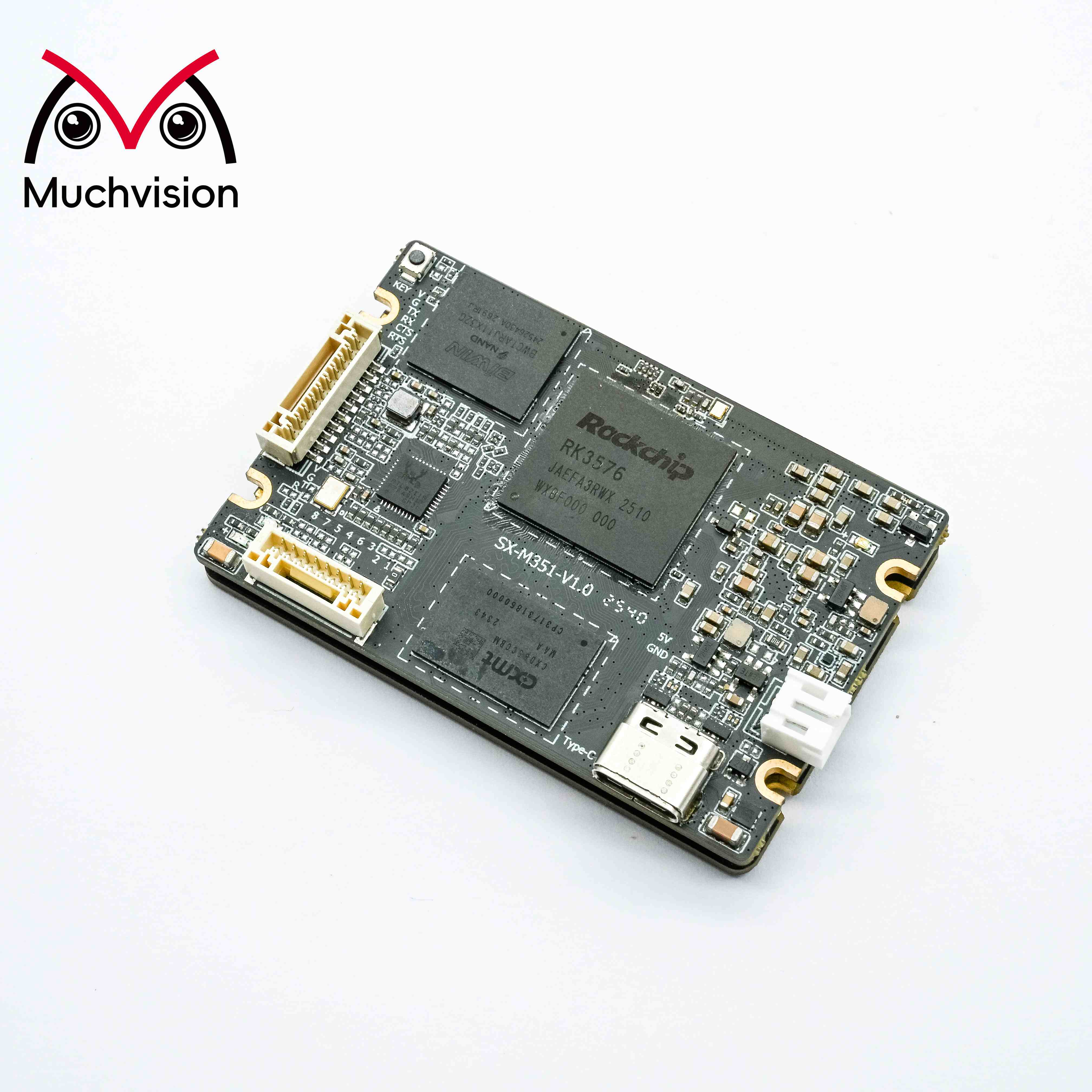
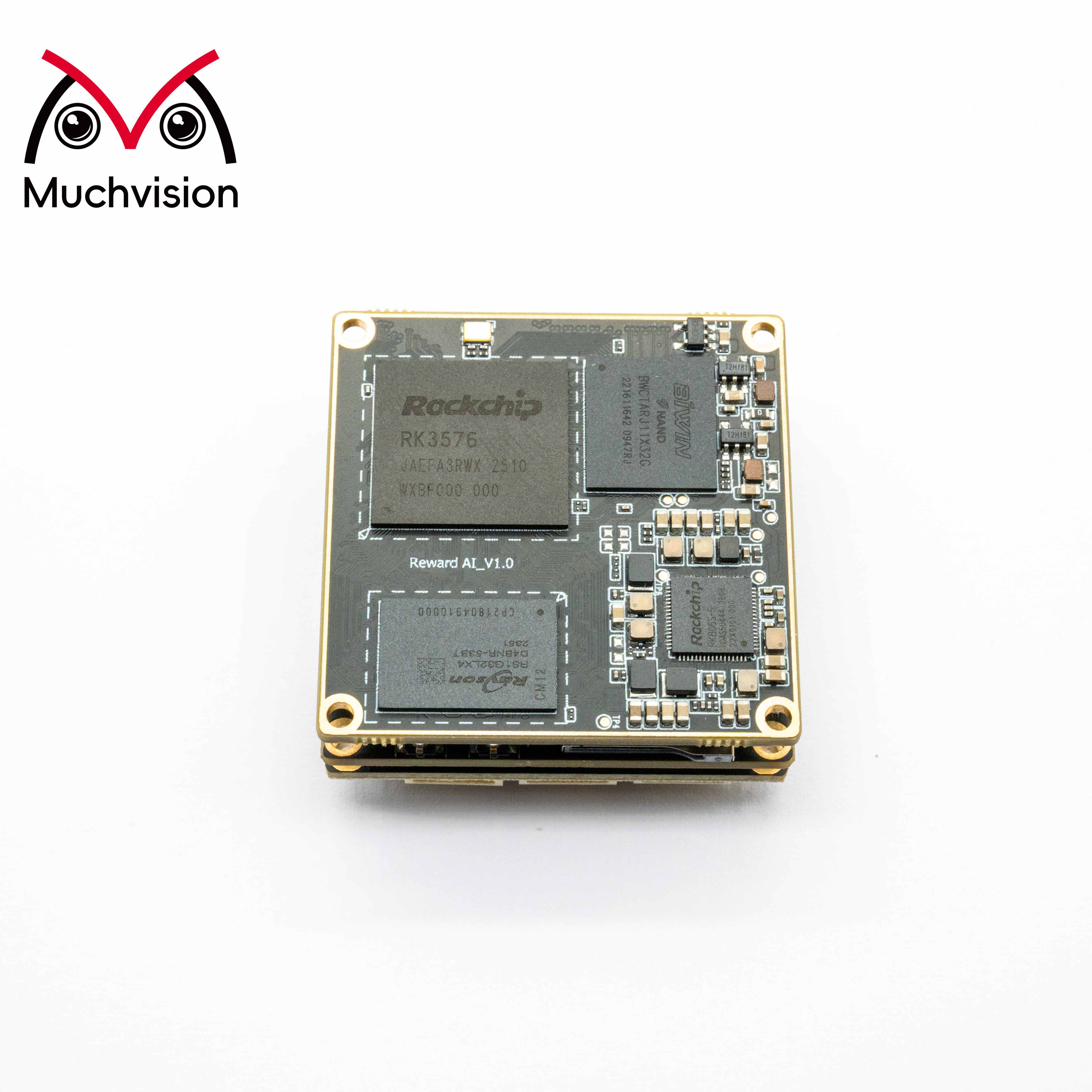
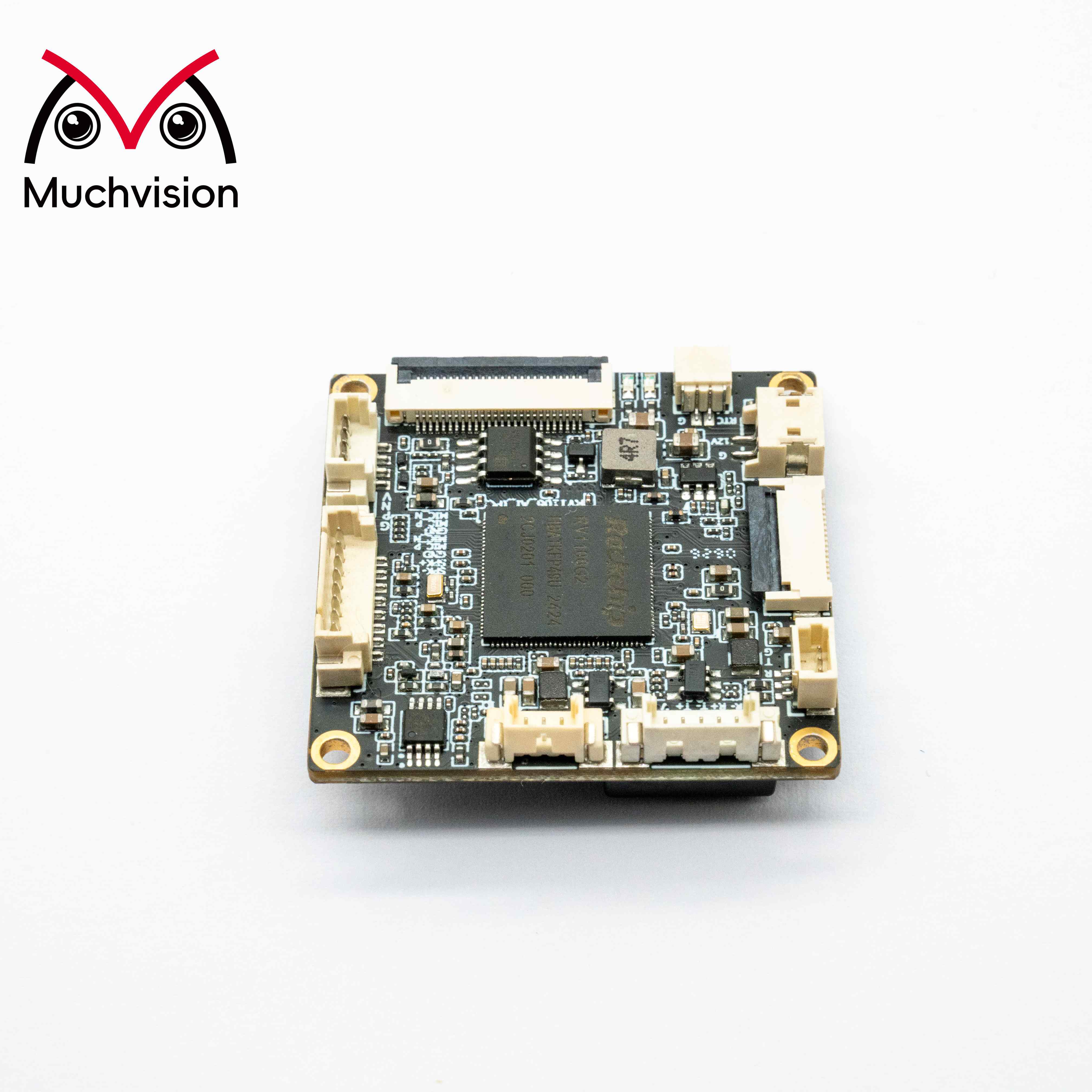
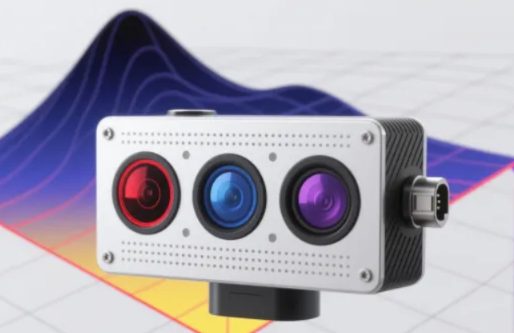
industrial edge computing
Industrial edge computing represents a transformative approach to data processing and analysis at the source of information generation. This technology brings computational power directly to devices and machinery on the factory floor, eliminating the need to transmit raw data to distant cloud servers. Industrial edge computing processes information locally, enabling immediate insights and faster decision-making for manufacturing operations.
The primary functions of industrial edge computing include real-time data analysis, predictive maintenance, quality control, and automated responses to operational anomalies. By processing data where it originates, industrial edge computing reduces latency and bandwidth consumption significantly. Technological features include advanced processing capabilities, local storage systems, connectivity protocols, and integration with existing machinery. These systems operate independently while remaining connected to broader networks when necessary.
Applications of industrial edge computing span across diverse manufacturing sectors. Factories deploy industrial edge computing for equipment monitoring, detecting failures before they occur, and optimizing production schedules. Pharmaceutical manufacturers utilize industrial edge computing for stringent quality assurance. Food processing facilities implement industrial edge computing to ensure safety compliance and trace product batches. Energy providers leverage industrial edge computing for grid management and renewable energy optimization. Mining operations employ industrial edge computing for equipment diagnostics and worker safety enhancement. Industrial edge computing enables smarter, more responsive manufacturing environments where decisions happen instantly at the point of action.
 ×
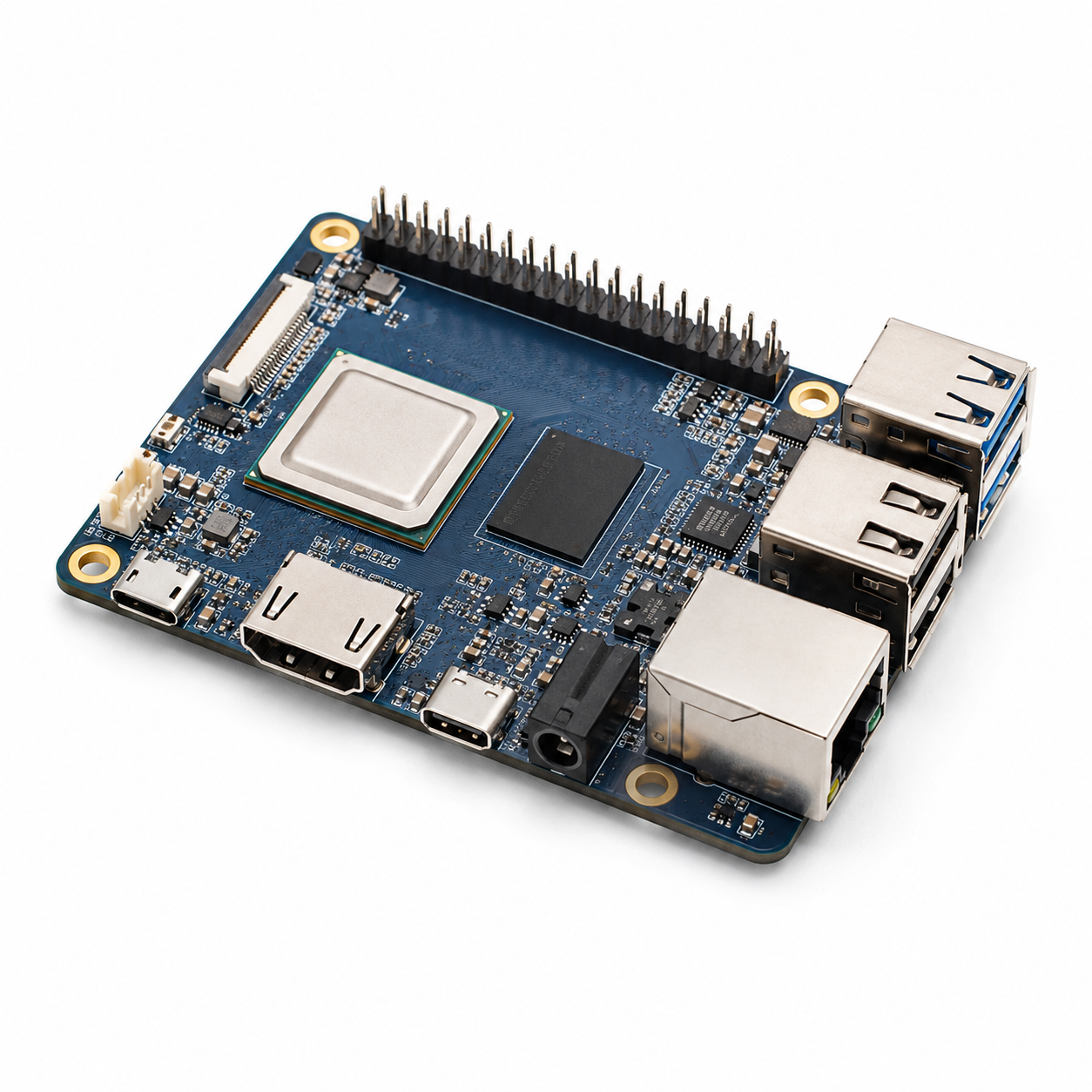
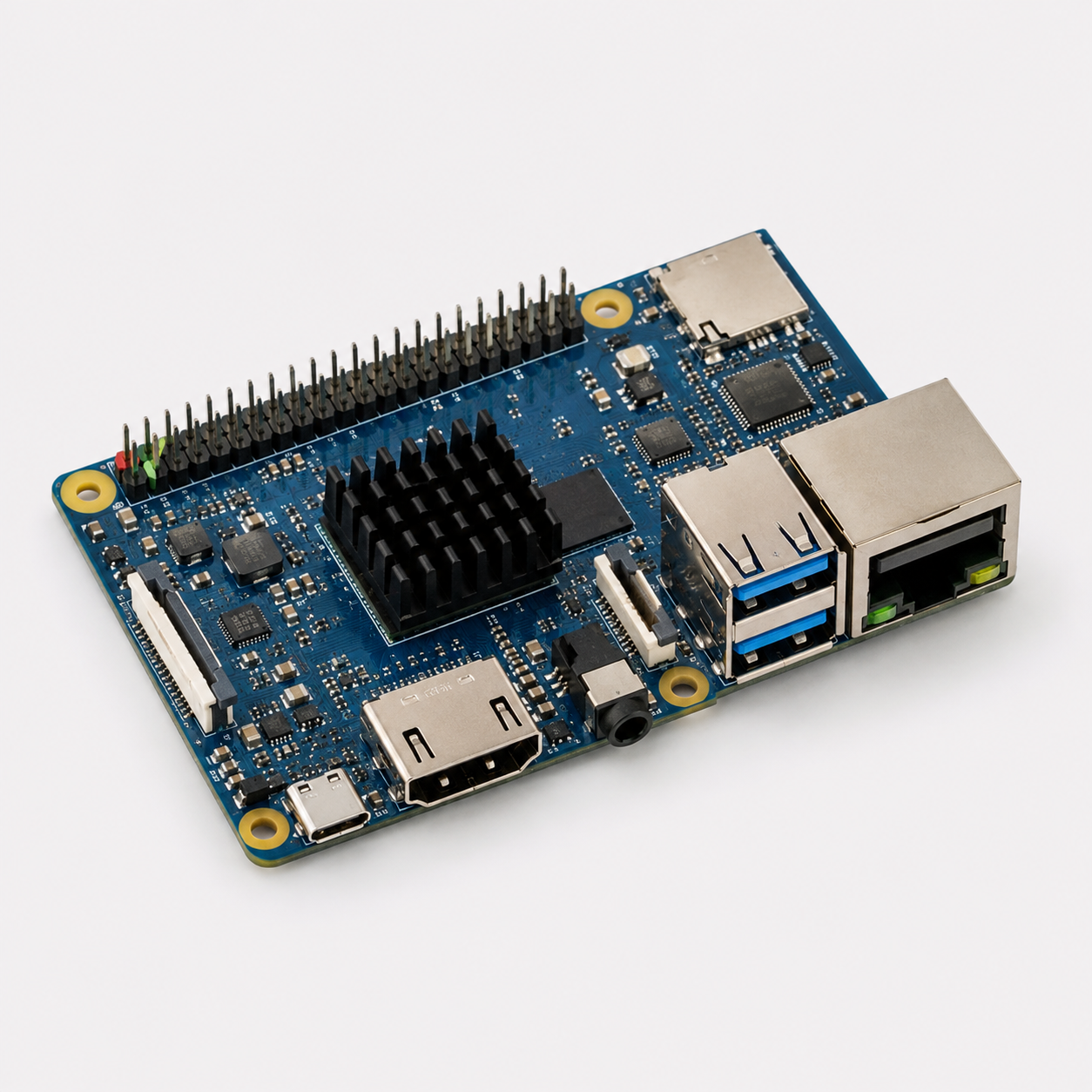
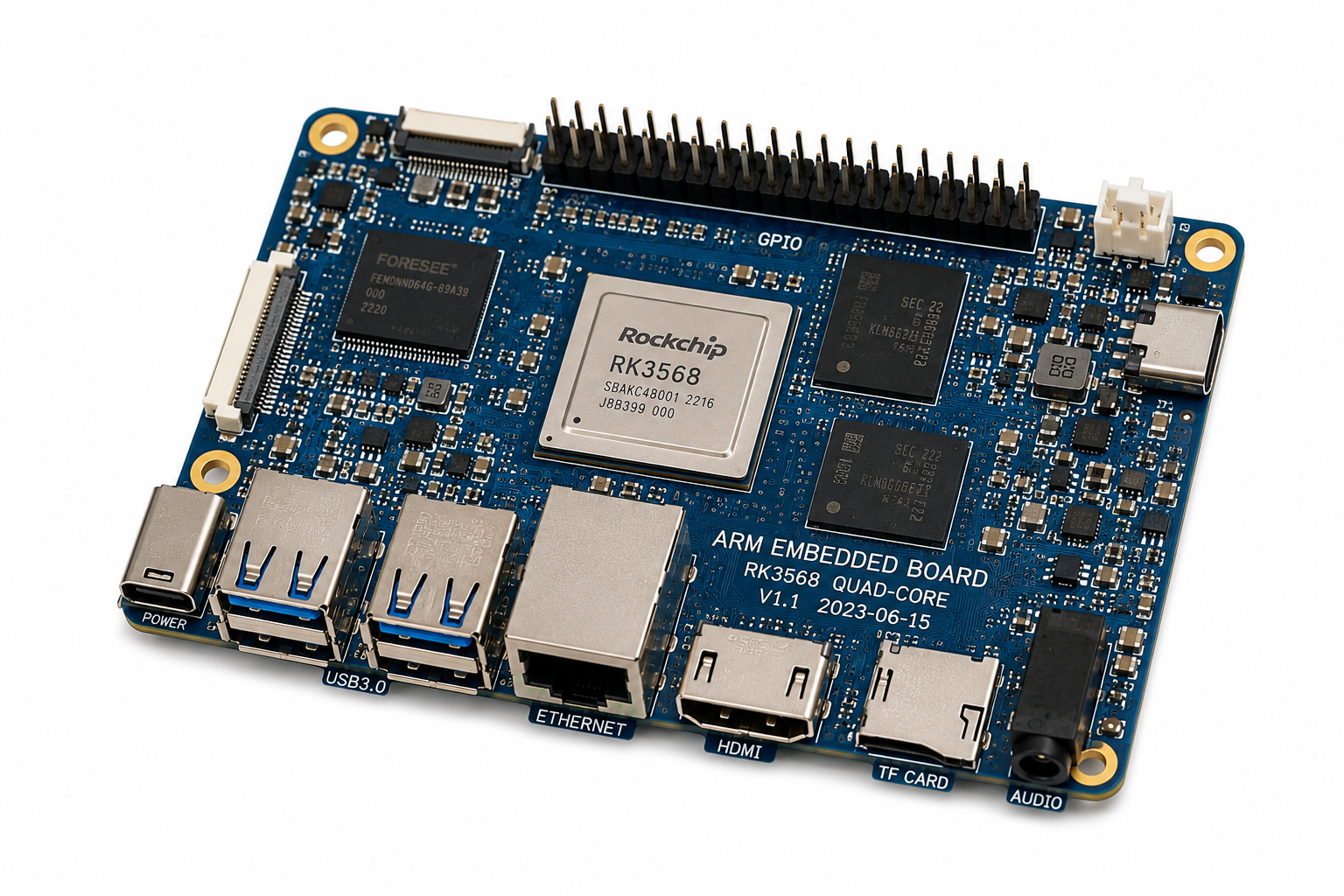

 EN