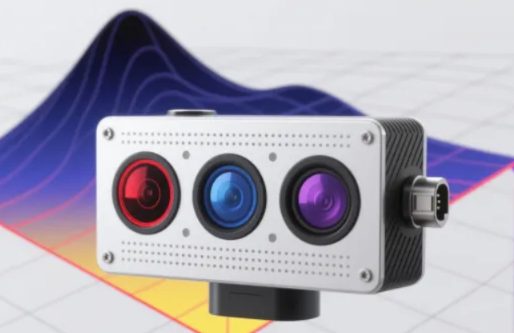
industrial pcba
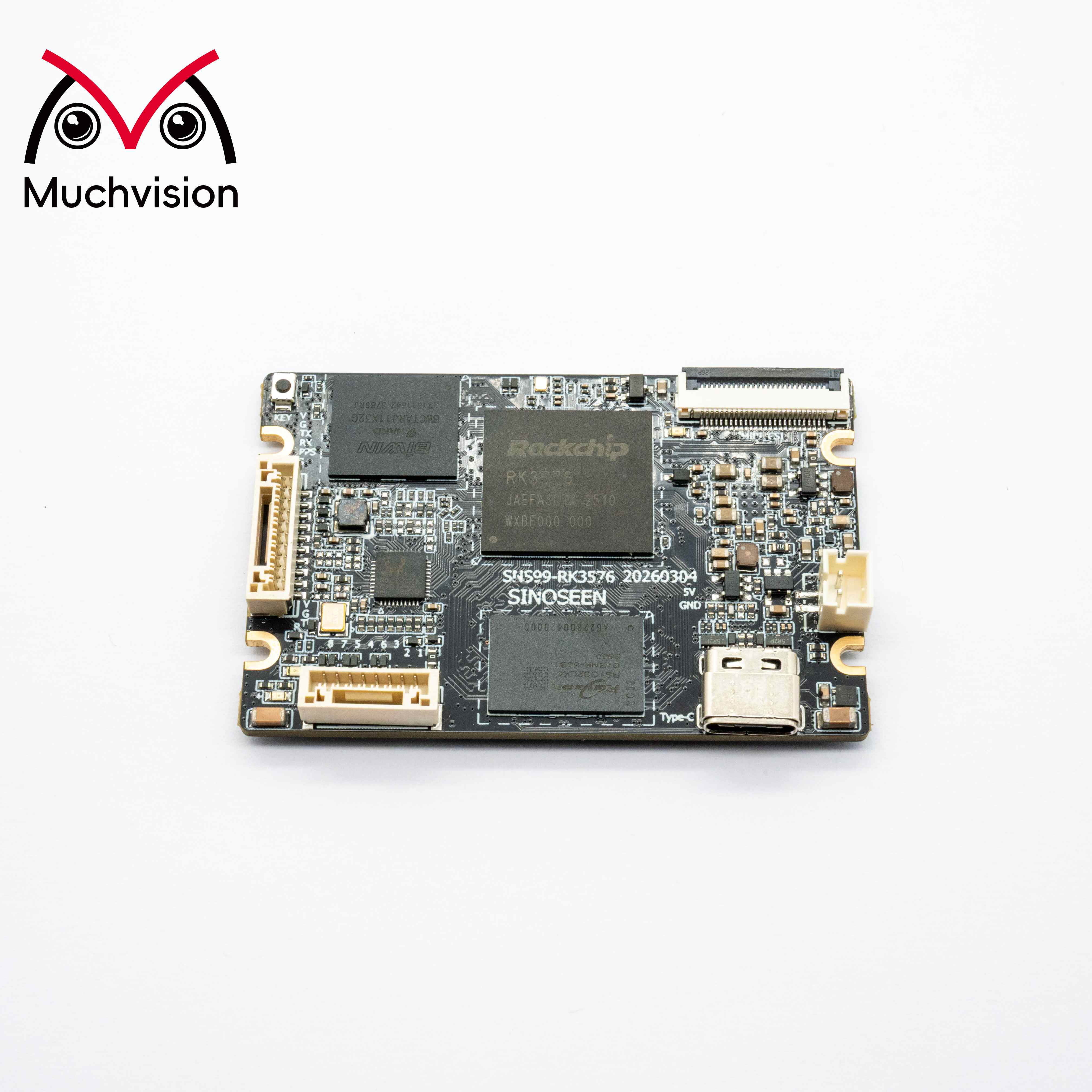
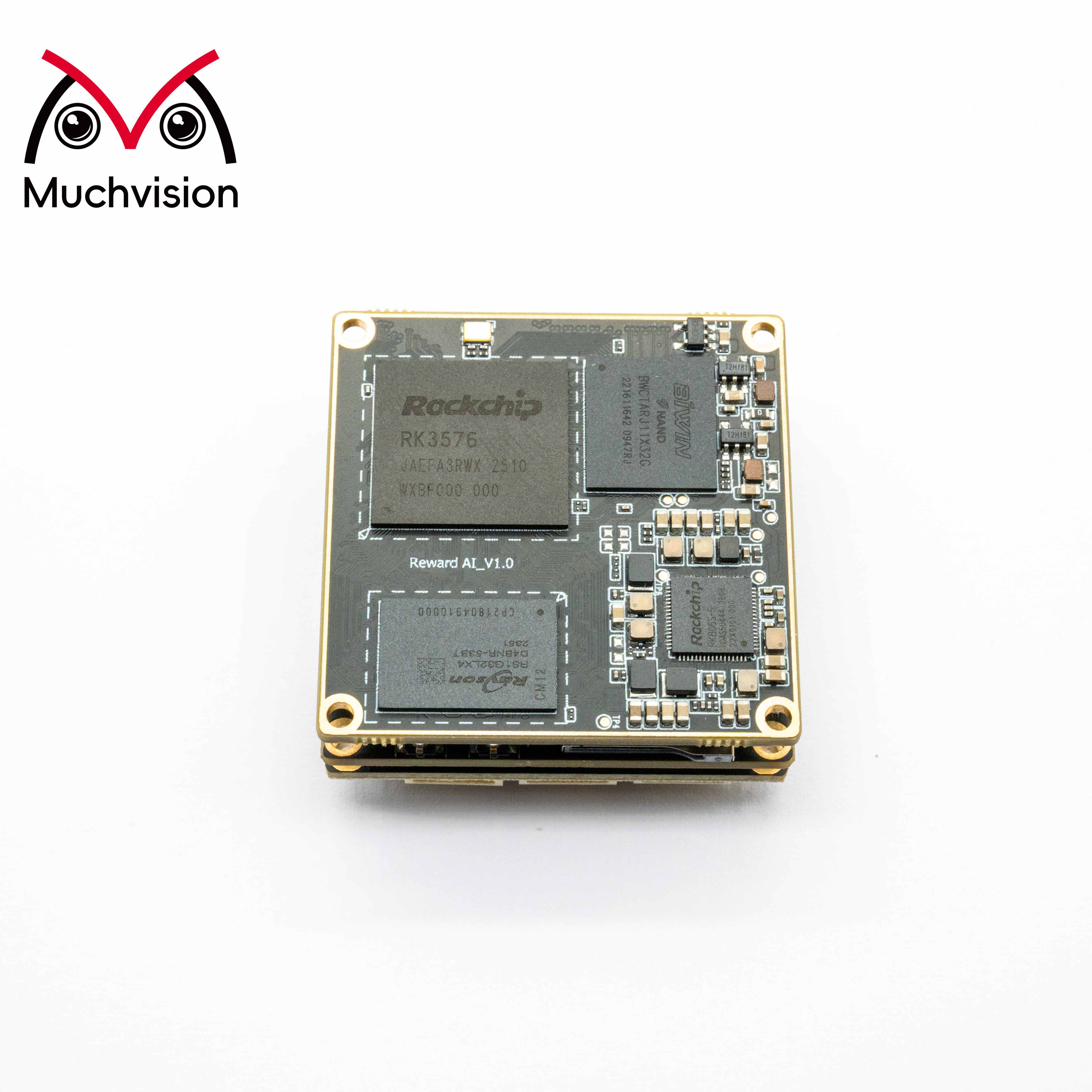
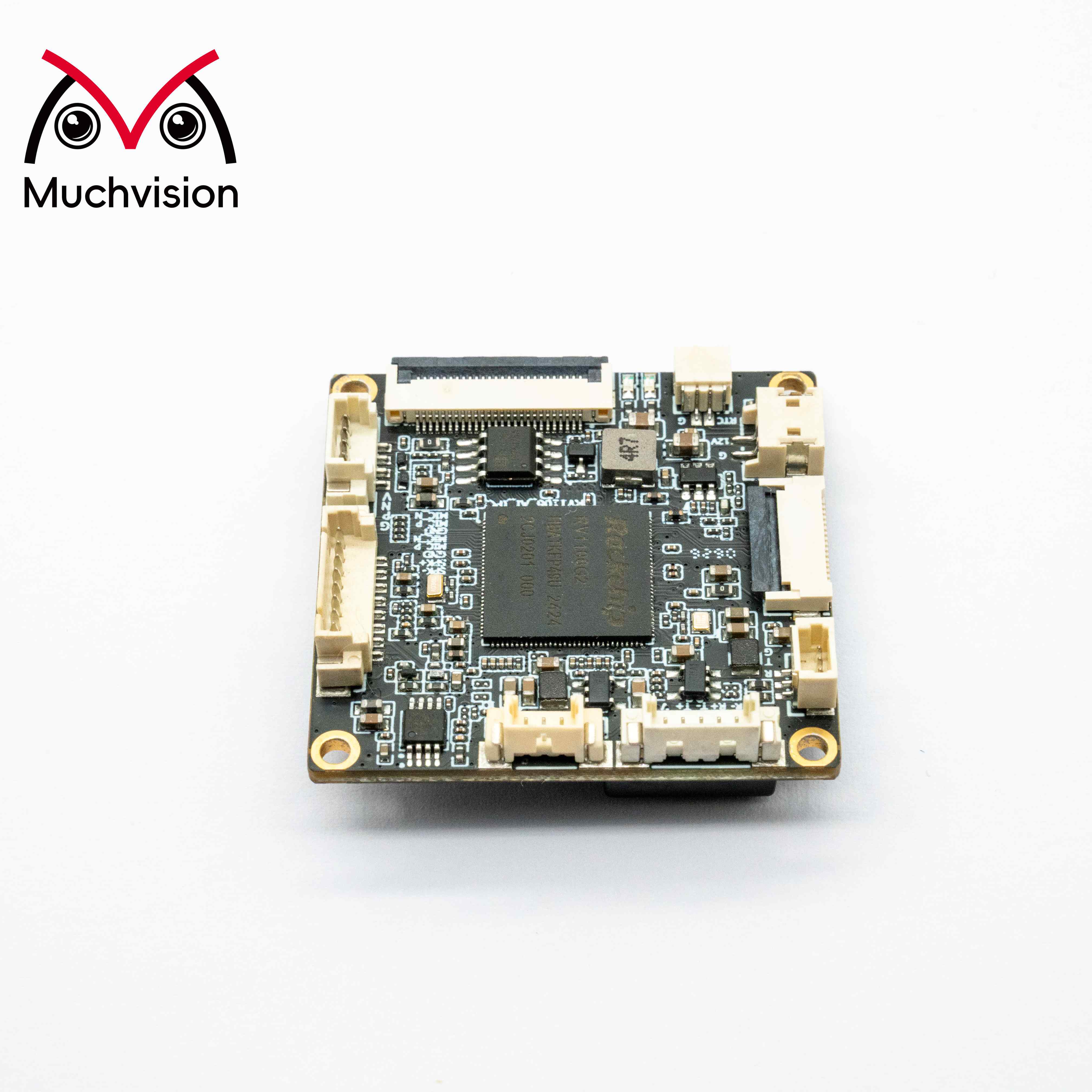
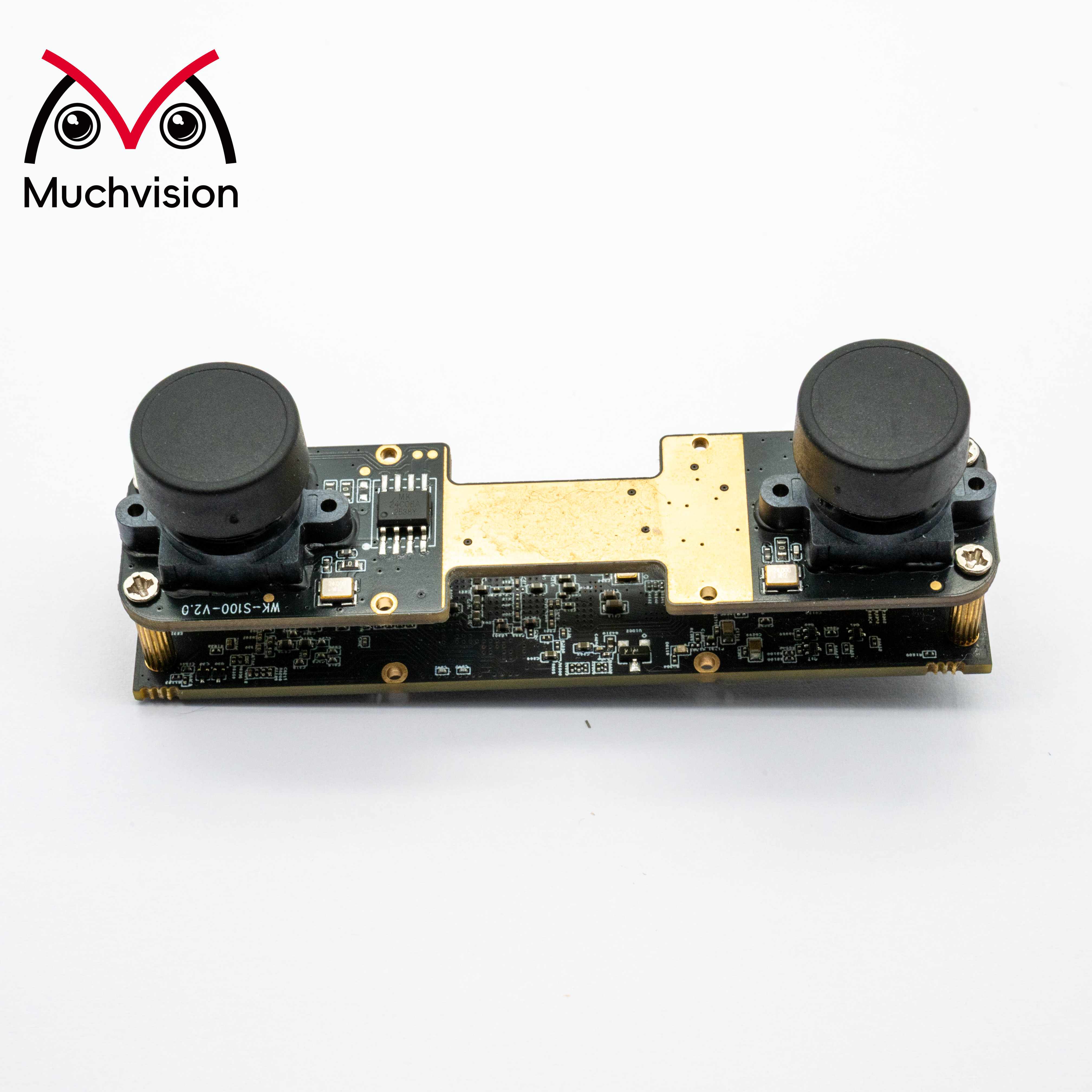
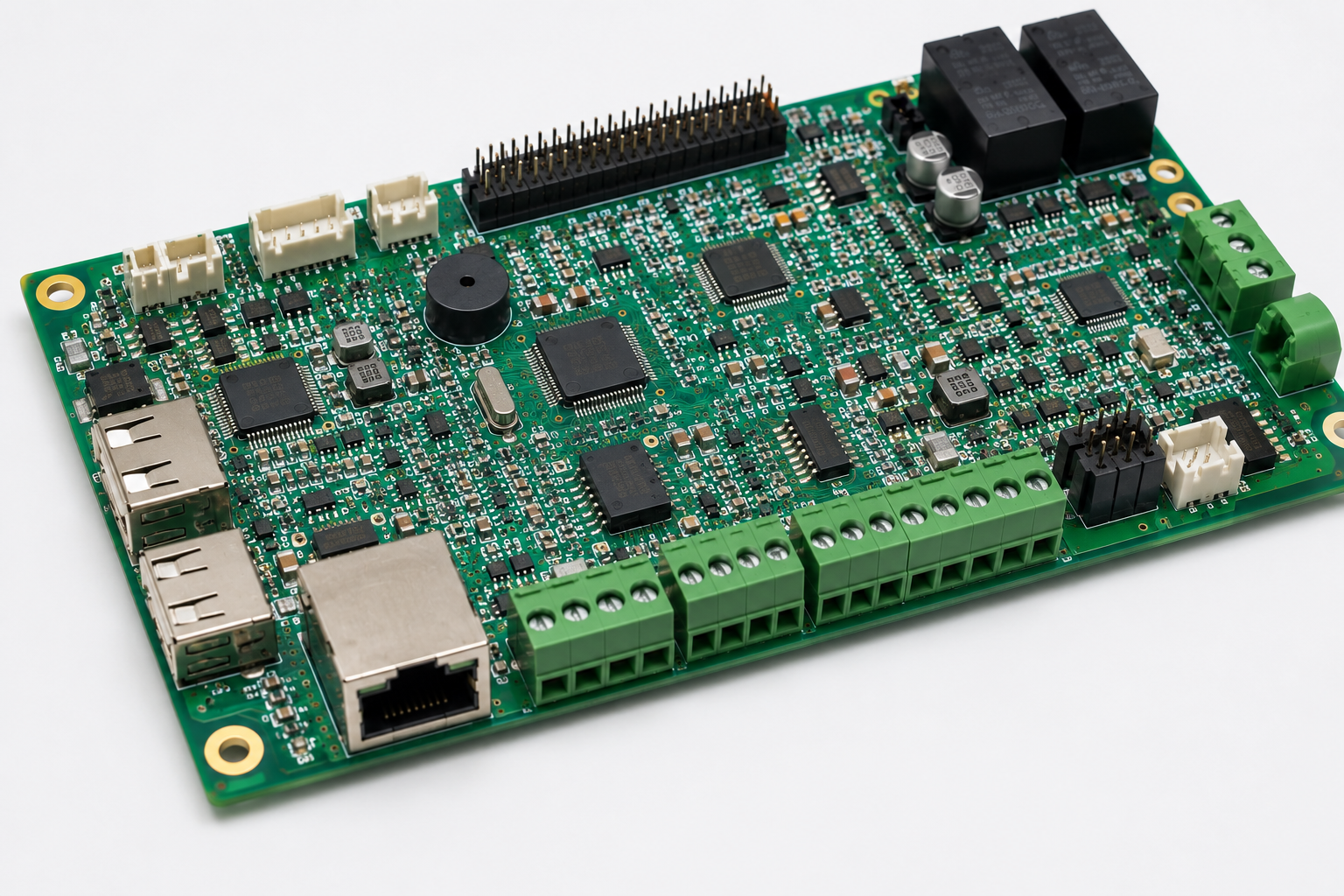
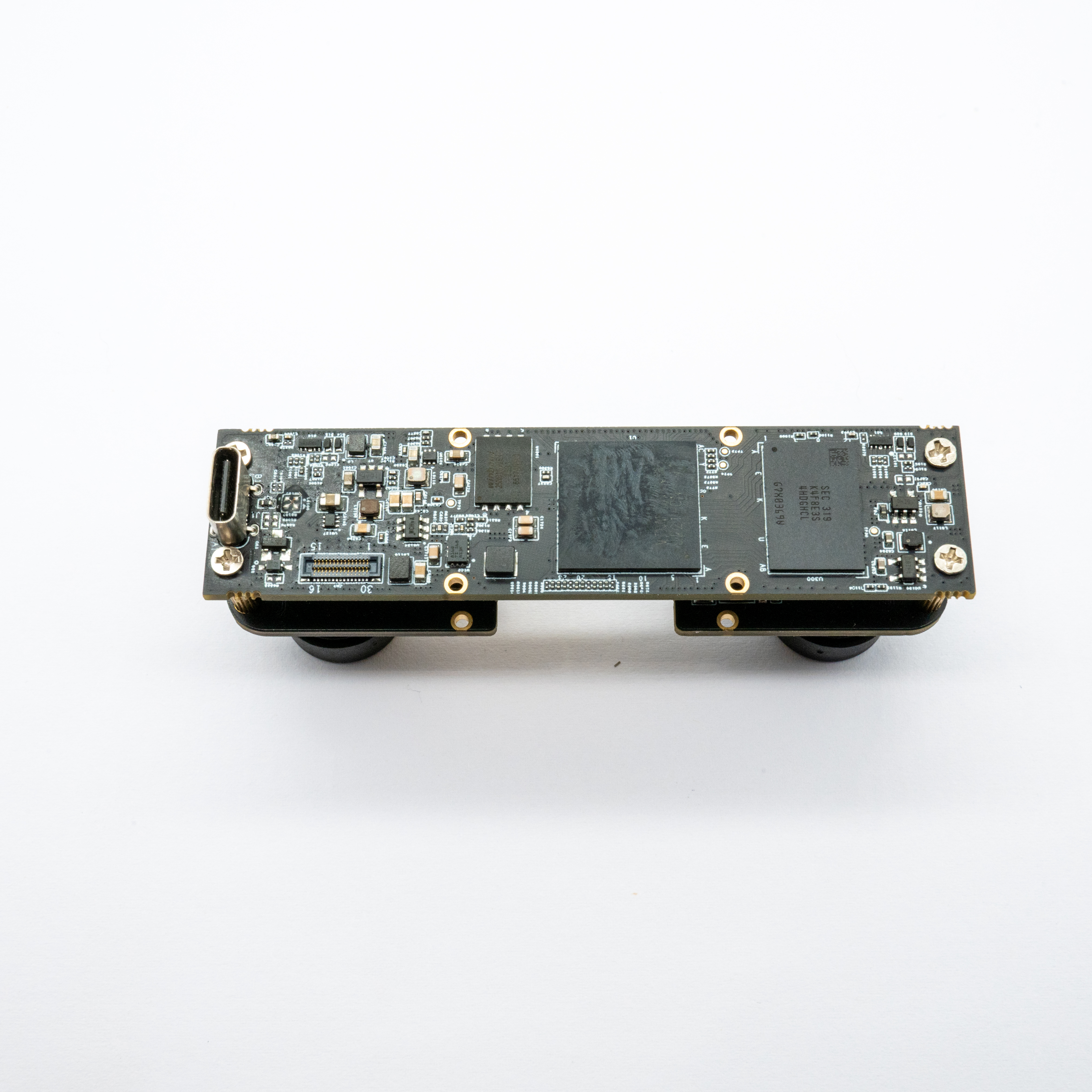
An industrial PCBA, or printed circuit board assembly, represents a critical component in modern manufacturing and automation systems. The industrial PCBA serves as the foundation for electronic devices that operate in demanding environments, delivering reliable performance across various sectors. This specialized assembly integrates multiple electronic components onto a rigid or flexible circuit board, creating a unified system that controls, processes, and manages electrical signals efficiently.
The primary function of an industrial PCBA involves converting raw electrical signals into actionable data and commands that drive industrial equipment. Whether powering control systems, machinery interfaces, or data acquisition devices, the industrial PCBA executes complex functions reliably. Technological features of modern industrial PCBA designs include advanced circuit routing, enhanced thermal management, and robust component integration that withstands temperature fluctuations and vibration stress.
Key technological characteristics distinguish industrial PCBA from standard consumer electronics. These assemblies incorporate high-grade materials, precision manufacturing tolerances, and quality assurance processes that ensure consistent performance. The industrial PCBA typically features multiple copper layers, advanced soldering techniques, and protective coatings that resist corrosion and environmental degradation.
Applications for industrial PCBA span numerous industries and sectors. Manufacturing facilities utilize industrial PCBA in automation systems, motor controllers, and sensor interfaces. The automotive industry depends on industrial PCBA for engine management systems and diagnostic modules. Power generation, telecommunications, medical equipment, and heavy machinery all rely heavily on dependable industrial PCBA solutions to maintain operational continuity and safety standards throughout their lifecycle.
 ×

 EN