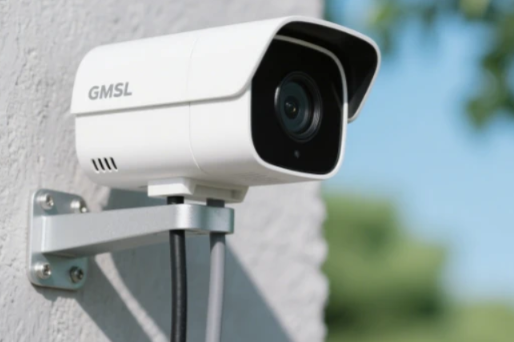
IoT Industrial Automation Solutions

Get a Free Quote

Our representative will contact you soon.
Email
Name
Company Name
Message
0/1000

iot industrial automation

IoT industrial automation represents a transformative approach to modern manufacturing and facility management by connecting physical equipment through internet-enabled devices and intelligent software systems. IoT industrial automation integrates sensors, actuators, and data processing technologies to enable real-time monitoring and control of industrial operations. The main functions of IoT industrial automation include continuous equipment monitoring, predictive maintenance scheduling, automated workflow optimization, and comprehensive data collection for performance analytics. These systems utilize advanced sensors that gather operational metrics such as temperature, pressure, vibration, and energy consumption across production environments. Technologically, IoT industrial automation relies on cloud computing platforms, edge processing capabilities, and machine learning algorithms to transform raw sensor data into actionable insights. The architecture typically features wireless connectivity protocols, secure data transmission protocols, and centralized dashboards for operator visualization. IoT industrial automation systems employ artificial intelligence to identify patterns and anomalies that human operators might overlook. Applications of IoT industrial automation span diverse industries including manufacturing, pharmaceuticals, food processing, utilities, and smart buildings. In manufacturing facilities, these systems optimize production schedules, reduce equipment downtime, and enhance quality control processes. Pharmaceutical companies implement IoT industrial automation to ensure compliance with strict regulatory requirements while maintaining consistent product quality. Energy sector organizations deploy these solutions to monitor distribution networks and prevent costly system failures, making IoT industrial automation essential for modern industrial operations.

New Products

IoT industrial automation delivers substantial practical benefits that directly improve operational performance and profitability for manufacturing enterprises and facility managers. The primary buyer value lies in reduced equipment downtime through predictive maintenance capabilities that alert operators before failures occur, saving companies thousands in emergency repairs and lost production revenue. Operational benefits manifest through enhanced resource efficiency. IoT industrial automation systems optimize energy consumption by identifying wasteful processes and automating adjustments in real time. Production managers gain complete visibility into operations through intuitive dashboards, enabling faster decision-making and reduced response times to emerging issues. Labor costs decrease as IoT industrial automation takes over routine monitoring tasks, allowing technicians to focus on strategic improvement initiatives rather than continuous surveillance. Quality improvements emerge as a natural outcome of continuous monitoring. IoT industrial automation ensures consistent product specifications by automatically detecting deviations and triggering corrective actions before defective items reach customers. This capability significantly reduces warranty claims and enhances brand reputation. Application suitability spans small facilities to large industrial complexes. Small manufacturers benefit from scalable IoT industrial automation solutions that grow with their operations without massive capital investments. Enterprise facilities leverage advanced features including multi-site coordination and sophisticated analytics. Decision-useful product context shows compelling return on investment timelines. Most companies recover IoT industrial automation implementation costs within 18-24 months through efficiency gains and downtime reduction. The systems provide measurable metrics including production throughput increases averaging 15-25%, energy cost reductions of 10-20%, and maintenance expense decreases exceeding 30%. These quantifiable benefits make IoT industrial automation a straightforward business case for operations leaders seeking competitive advantages in increasingly demanding markets.

Latest News

Understand Bayer Pattern And Image Signal Processor In Embedded Vision

25

Jun

Understand Bayer Pattern And Image Signal Processor In Embedded Vision

View More
What are Depth-sensing Cameras? How Many Types of Depth-sensing Cameras

25

Jun

What are Depth-sensing Cameras? How Many Types of Depth-sensing Cameras

View More
GMSL2 vs Ethernet Camera: the Main Differences in Embedded Vision

25

Jun

GMSL2 vs Ethernet Camera: the Main Differences in Embedded Vision

View More

Get a Free Quote

Our representative will contact you soon.
Email
Name
Company Name
Message
0/1000

iot industrial automation

Real-Time Equipment Monitoring and Predictive Analytics

Real-Time Equipment Monitoring and Predictive Analytics

IoT industrial automation provides comprehensive real-time monitoring of all critical equipment through strategically deployed sensors that continuously capture performance data. This constant surveillance enables operators to track equipment health status instantly, identifying emerging problems before they escalate into costly failures. The advanced analytics capabilities embedded within IoT industrial automation systems analyze historical and current data patterns to predict maintenance needs with remarkable accuracy. Predictive analytics transform reactive maintenance approaches into proactive strategies. Rather than waiting for equipment failure, IoT industrial automation algorithms forecast optimal maintenance windows, allowing technicians to plan repairs during scheduled downtime. This capability dramatically extends equipment lifespan while preventing unexpected production interruptions. Organizations implementing IoT industrial automation report maintenance cost reductions exceeding 30% and equipment availability improvements reaching 95% or higher. The financial impact proves substantial when considering that unplanned downtime costs manufacturers up to $250,000 per hour in lost revenue. By leveraging predictive capabilities, companies avoid these catastrophic situations and maintain consistent production schedules.
Automated Workflow Optimization and Production Efficiency

Automated Workflow Optimization and Production Efficiency

IoT industrial automation streamlines complex manufacturing processes through intelligent automation that coordinates multiple equipment units and production stages seamlessly. The system automatically adjusts operational parameters in response to real-time conditions, eliminating bottlenecks and maximizing throughput without manual intervention. This autonomous optimization represents a fundamental shift from static production processes to dynamically responsive systems. Production efficiency gains manifest through reduced cycle times and improved resource utilization. IoT industrial automation analyzes production data continuously, identifying opportunities to consolidate operations, eliminate redundant steps, and accelerate material flows through the facility. Companies implementing these solutions commonly achieve production rate improvements of 15-25% while simultaneously reducing raw material waste. The systems can orchestrate coordinated activities across multiple production lines, ensuring optimal sequencing and preventing equipment conflicts. Energy efficiency improvements accompany these production gains as IoT industrial automation minimizes idle equipment operation and optimizes consumption patterns. Manufacturing facilities leveraging this technology experience measurable enhancements in overall equipment effectiveness (OEE), translating directly into increased profitability and competitive market positioning.
Data-Driven Decision Making and Performance Transparency

Data-Driven Decision Making and Performance Transparency

IoT industrial automation generates unprecedented volumes of operational data that transform management decision-making from intuition-based to evidence-based approaches. Comprehensive dashboards and reporting tools make performance metrics accessible to stakeholders at all organizational levels, enabling informed strategic planning. Real-time visibility into operations allows managers to identify inefficiencies, track key performance indicators, and benchmark performance against industry standards. The transparency provided by IoT industrial automation extends throughout supply chains and facility networks. Regional managers can monitor multiple locations simultaneously, ensuring consistent quality standards and operational practices across distributed sites. Historical data archives enable trend analysis and root cause investigation when performance deviations occur. Organizations harness IoT industrial automation data to support continuous improvement initiatives, using actual operational evidence to prioritize enhancement projects. This data-driven culture reduces guesswork in capital allocation decisions and ensures resources concentrate on highest-impact improvements. Advanced analytics capabilities within IoT industrial automation systems uncover hidden correlations between seemingly unrelated variables, revealing optimization opportunities that traditional analysis methods overlook. By establishing data as the foundation for decision-making, companies create sustainable competitive advantages grounded in measurable operational excellence.

Get a Free Quote

Our representative will contact you soon.
Email
Name
Company Name
Message
0/1000