IPC Standard for PCB Assembly Guide

Get a Free Quote

Our representative will contact you soon.
Email
Name
Company Name
Message
0/1000

ipc standard for pcb assembly

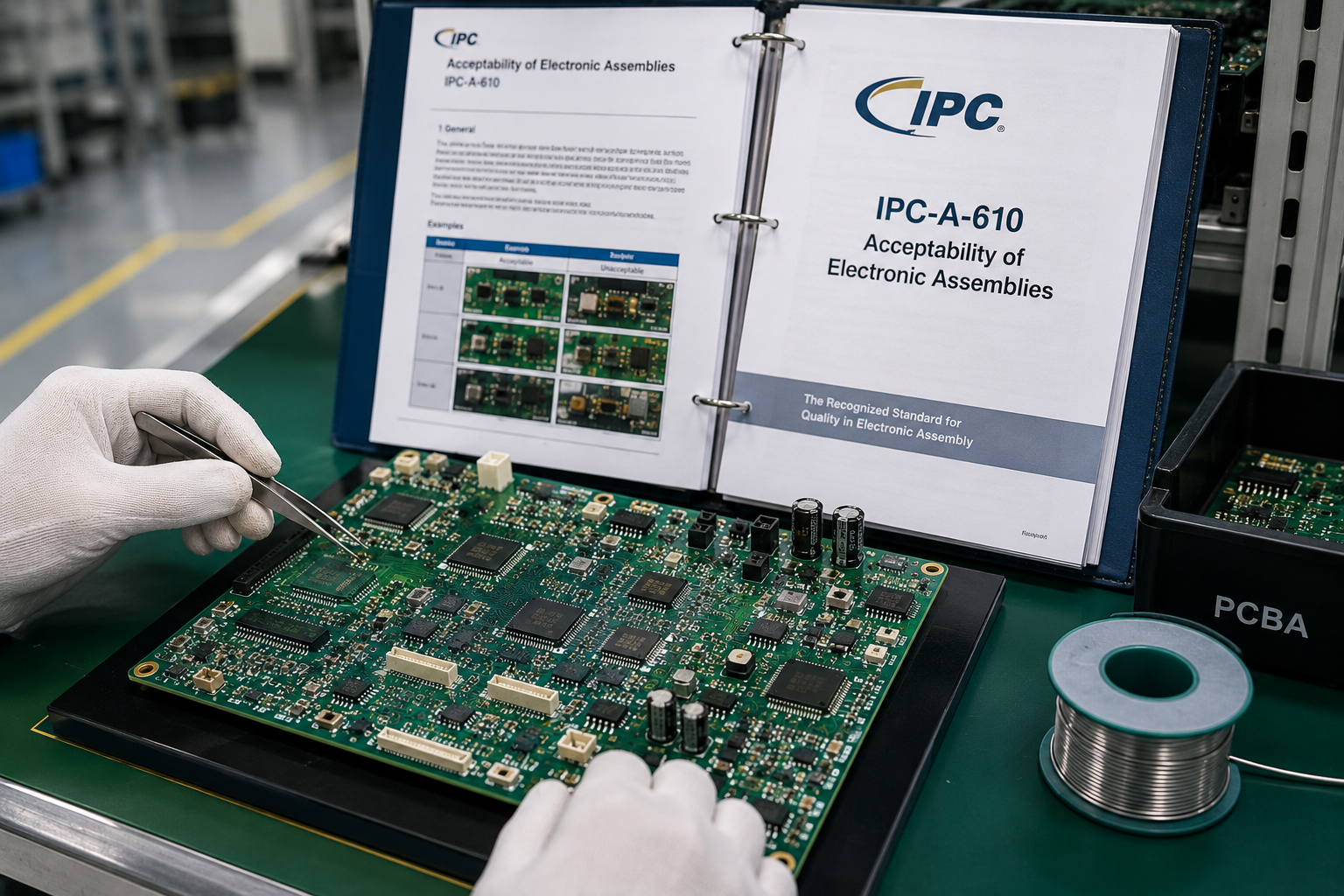
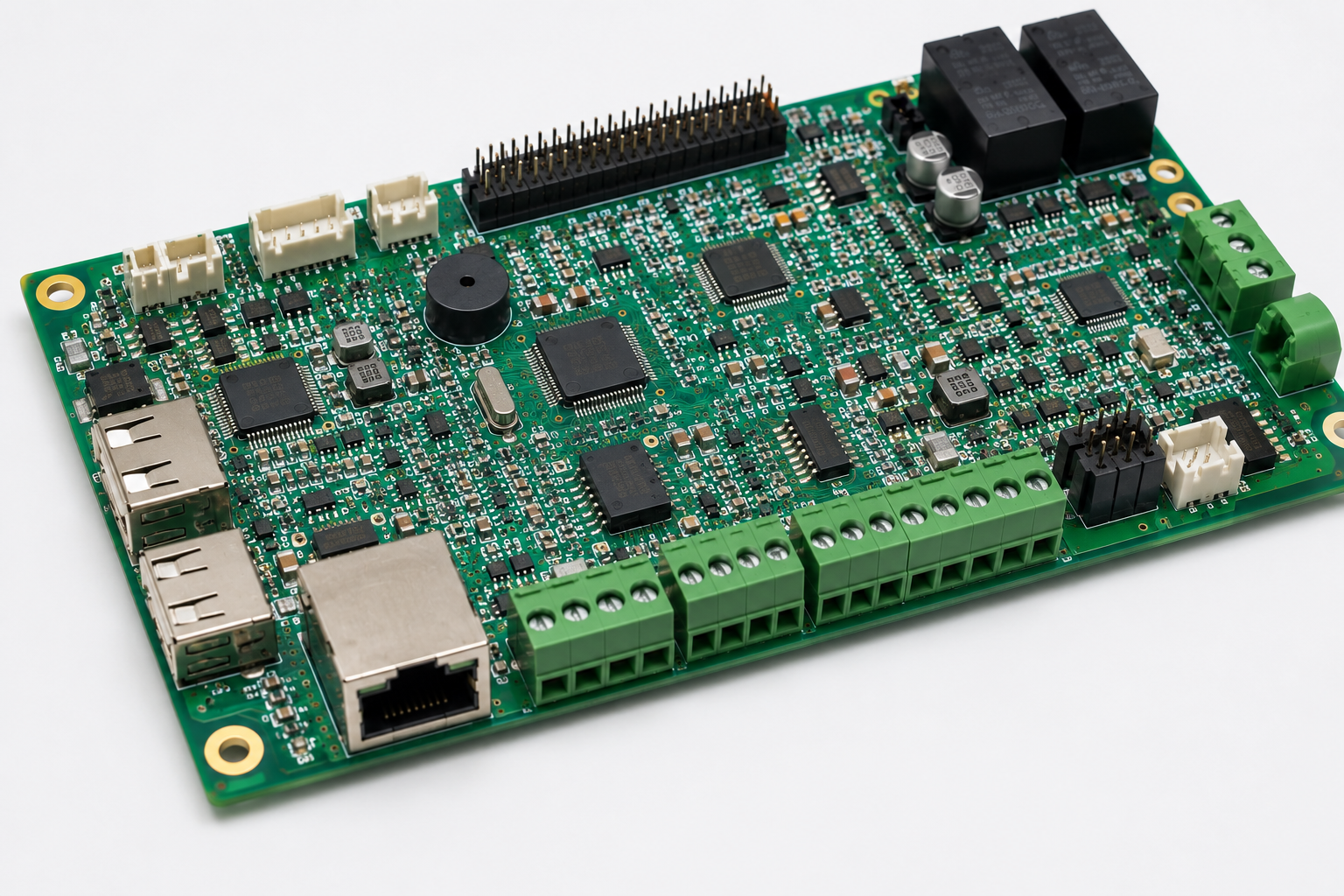
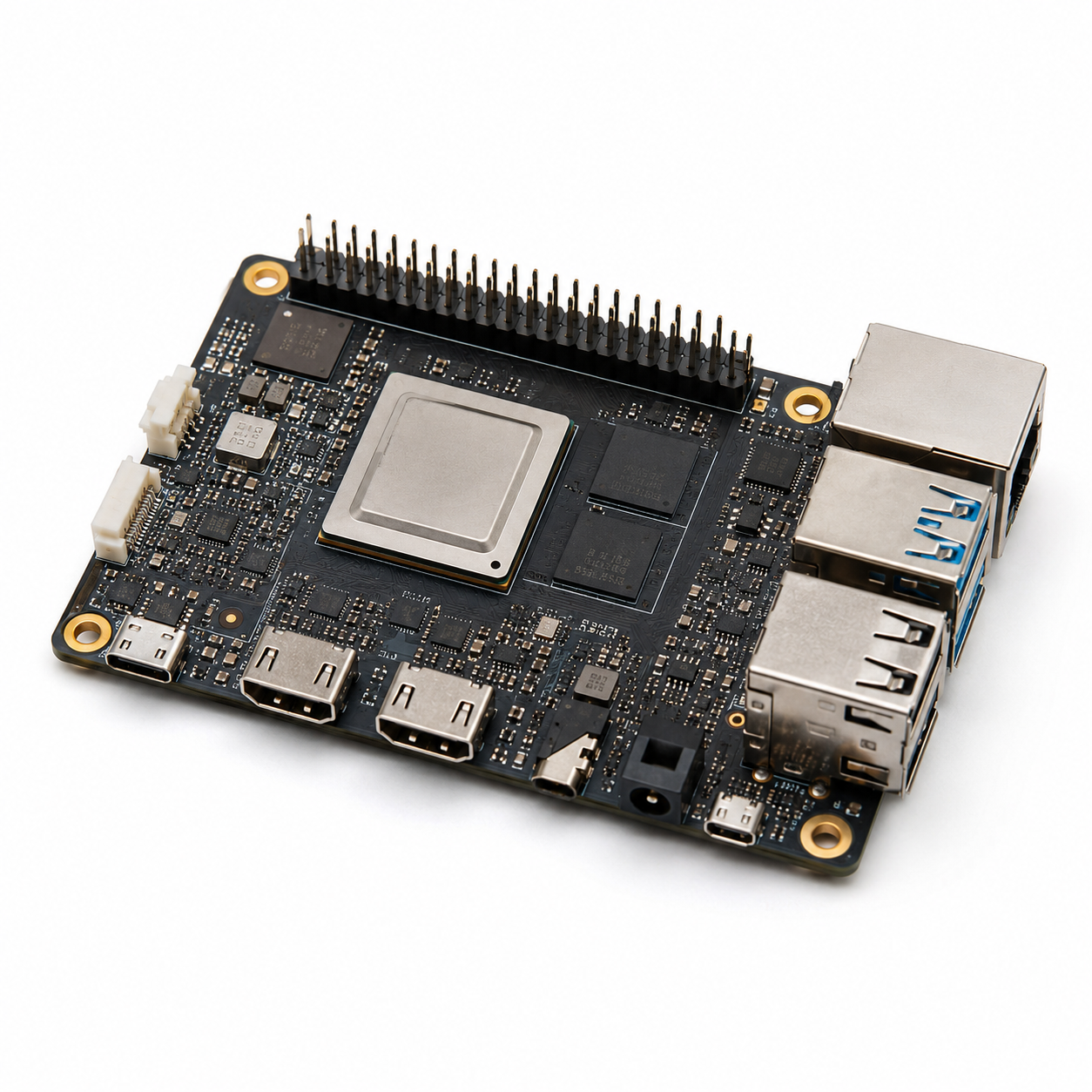
The IPC standard for PCB assembly represents a comprehensive set of guidelines established by the Association Connecting Electronics Industries to ensure consistent quality in circuit board manufacturing and assembly processes. This industry-recognized framework defines specifications, requirements, and best practices that manufacturers must follow throughout the entire production cycle. The IPC standard for PCB assembly encompasses multiple critical aspects of electronics manufacturing. It covers design guidelines, material specifications, workmanship criteria, and testing procedures that govern how printed circuit boards are assembled and inspected. These standards address component placement accuracy, solder joint quality, cleanliness requirements, and electrical testing protocols. Key technological features of the IPC standard for PCB assembly include detailed classifications for circuit board complexity levels, acceptance criteria for solder connections, and inspection methodologies using both automated and manual systems. The framework establishes three classification levels—Class 1 for general consumer products, Class 2 for intermediate-use applications, and Class 3 for high-reliability equipment requiring stringent quality control. Applications of the IPC standard for PCB assembly span across diverse industries including aerospace, automotive, medical devices, telecommunications, and consumer electronics. Manufacturers adopt these standards to maintain consistency, reduce defects, and meet customer expectations. The IPC standard for PCB assembly facilitates global trade by providing a universal quality benchmark that enables customers to compare products confidently and ensures compatibility across supply chains worldwide.

New Product Releases

Understanding the practical benefits of the IPC standard for PCB assembly helps businesses make informed decisions about manufacturing quality and supplier selection. This standardized framework delivers significant operational advantages that directly impact your bottom line and product reliability. First, implementing the IPC standard for PCB assembly dramatically reduces manufacturing defects and rework costs. By establishing clear acceptance criteria and inspection protocols, your production team identifies issues before products reach customers, preventing costly recalls and warranty claims. This translates to better profit margins and improved customer satisfaction. Second, the IPC standard for PCB assembly enhances product reliability and longevity. Solder joints meeting IPC specifications withstand thermal stress, vibration, and moisture exposure far better than non-compliant assemblies. Your products perform dependably throughout their intended service life, building brand reputation and customer loyalty. Third, adhering to the IPC standard for PCB assembly opens doors to premium markets requiring certified quality. Aerospace, medical, and automotive customers demand this certification before awarding contracts. This competitive advantage positions your company for high-value opportunities and long-term growth. Fourth, the IPC standard for PCB assembly simplifies supply chain management and supplier evaluation. Standardized specifications enable you to compare quotes fairly and hold suppliers accountable. Clear requirements reduce miscommunication and ensure consistent product quality regardless of which manufacturer produces your boards. Finally, compliance with the IPC standard for PCB assembly demonstrates your commitment to excellence and professionalism. This certification signals to customers that you maintain rigorous quality controls and follow industry best practices, justifying premium pricing and building trust in competitive markets.

Tips And Tricks

Understand Bayer Pattern And Image Signal Processor In Embedded Vision

25

Jun

Understand Bayer Pattern And Image Signal Processor In Embedded Vision

View More
What are Depth-sensing Cameras? How Many Types of Depth-sensing Cameras

25

Jun

What are Depth-sensing Cameras? How Many Types of Depth-sensing Cameras

View More
GMSL2 vs Ethernet Camera: the Main Differences in Embedded Vision

25

Jun

GMSL2 vs Ethernet Camera: the Main Differences in Embedded Vision

View More

Get a Free Quote

Our representative will contact you soon.
Email
Name
Company Name
Message
0/1000

ipc standard for pcb assembly

Universal Quality Assurance Framework

Universal Quality Assurance Framework

The IPC standard for PCB assembly provides a universally recognized quality assurance framework that eliminates ambiguity in manufacturing specifications and acceptance criteria. This standardized approach ensures that every circuit board assembly meets identical quality benchmarks, regardless of production location or timing. Companies implementing the IPC standard for PCB assembly gain access to detailed workmanship guidelines that cover everything from component placement precision to final inspection requirements. This comprehensive framework reduces interpretation disagreements between manufacturers and customers, streamlining communication and preventing disputes. The clarity provided by these standards accelerates approval processes and shortens time-to-market for new products. By adopting the IPC standard for PCB assembly, manufacturers establish credibility with international customers who recognize these certifications, making it easier to expand into new markets and secure premium contracts in industries requiring proven quality standards.
Reduced Defects and Production Efficiency

Reduced Defects and Production Efficiency

Implementing the IPC standard for PCB assembly directly reduces manufacturing defects through systematic inspection protocols and clearly defined acceptance criteria. Production teams following these guidelines catch quality issues during assembly rather than after shipment, preventing expensive recalls and customer dissatisfaction. The IPC standard for PCB assembly establishes specific requirements for solder joint appearance, component alignment, and cleanliness levels that technicians can objectively verify. This measurable approach eliminates subjective judgment and inconsistencies that plague non-standardized operations. Automated inspection equipment calibrated to IPC standard for PCB assembly specifications identifies defects consistently and rapidly, reducing manual inspection time while improving accuracy. The result is higher first-pass yields, lower rework costs, and improved profitability. Companies embracing the IPC standard for PCB assembly experience measurably shorter production cycles and reduced scrap rates, directly contributing to competitive pricing and operational excellence.
Enhanced Product Reliability and Market Access

Enhanced Product Reliability and Market Access

The IPC standard for PCB assembly ensures superior product reliability by establishing rigorous testing and construction methodologies that withstand demanding operational environments. Circuit boards assembled according to these standards deliver consistent electrical performance, thermal stability, and mechanical durability throughout their intended service life. This reliability advantage proves crucial for applications in aerospace, medical devices, and automotive systems where failure consequences are severe and costly. The IPC standard for PCB assembly certifications required by major industries serve as mandatory qualification criteria for supplier approval. Achieving compliance with the IPC standard for PCB assembly opens access to lucrative contracts impossible without certification. Medical device manufacturers, aerospace suppliers, and defense contractors explicitly specify these standards in procurement requirements. This certification transforms your manufacturing capability into a competitive asset, enabling you to pursue higher-margin opportunities in regulated industries and establish long-term partnerships with demanding customers.

Get a Free Quote

Our representative will contact you soon.
Email
Name
Company Name
Message
0/1000