 ×
B2B integrators can use rockchip rk3588 in industrial PCs when an application needs edge computing, rich camera connectivity, or local AI processing. Successful deployment depends on matching the board’s capabilities to the workload, then engineering around power, thermal, software, and lifecycle requirements. Reviewing the specs early helps define a practical system boundary.
The integration question is not simply whether a processor is fast enough. It is whether its interfaces, compute resources, and software support suit the equipment’s operating conditions and service model. A careful comparison with the existing platform, framed around the intended 2026 deployment, helps teams identify fit, gaps, and validation work before committing to a design.
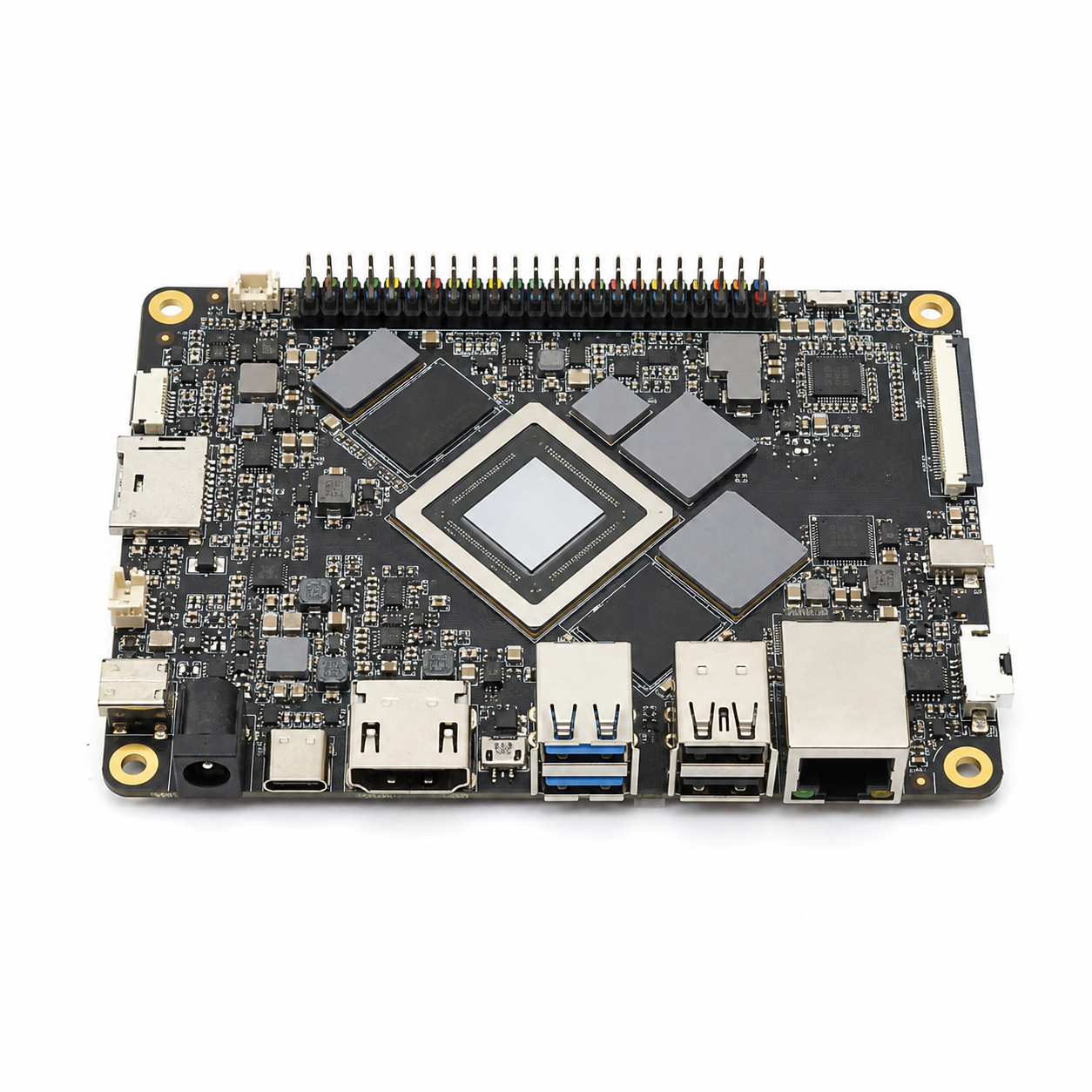
Start with the tasks the industrial PC must perform: machine vision, gateway functions, operator interaction, analytics, or a mix of these. The rockchip rk3588 specs provide a starting point for mapping processor, graphics, memory, and accelerator resources to those tasks. AI workloads may run locally, but model size and throughput targets must be tested on the intended software stack.
Separate continuous workloads from occasional bursts, and account for concurrent services rather than evaluating each task alone. A comparison of measured demand against available compute can reveal contention between vision pipelines, networking, and application logic. For a 2026 product plan, include expected model updates and data growth so the design has a defensible margin without assuming unused capacity will solve every bottleneck.
Industrial PCs often connect cameras, displays, storage, field equipment, and network links at once. Confirm that the selected carrier or system board exposes the required interfaces and supports the needed lane allocation. The specs matter only when validated against the actual peripheral list; AI camera processing, for example, can make camera count, synchronization, and data movement more important than a headline compute figure.
Document the interface map, connector accessibility, and cable constraints before mechanical design is frozen. A 2026 deployment may have to retain legacy equipment while adding new sensors, so interface conversion and isolation can affect enclosure space and cost. Treating these details as part of the platform comparison prevents a late discovery that a nominally suitable processor configuration cannot connect to the installation as built.
Compute performance must be considered alongside sustained operating temperature and available cooling. Estimate power for the complete industrial PC, including memory, storage, cameras, and attached peripherals, rather than relying on processor figures alone. In an AI vision workload, sustained processing can create a different thermal profile from brief benchmarks, so test the assembled design in its intended enclosure.
Check supply variation, startup behavior, heat transfer, and airflow against the installation environment. Compare these measurements with the original platform under representative duty cycles, not just idle conditions. For a 2026 release, record thermal limits and power assumptions in the system specification so production changes do not silently invalidate the qualification results or reduce expected operating headroom.
Confirm operating system availability, board support packages, driver maturity, and access to required libraries before choosing the platform. AI models may depend on particular runtimes or accelerator toolchains, so test the actual inference path rather than assuming portable code will perform identically. Include boot, recovery, security updates, and remote diagnostics in the software plan for each deployed industrial PC.
A sound comparison weighs development effort and serviceability as well as hardware capability. Establish how firmware and application updates will be staged, verified, and rolled back at customer sites. The specs should be connected to a maintainable configuration record, especially when the 2026 roadmap includes variants with different camera counts, storage options, or operating system images.
Build a test plan around real operating sequences, including simultaneous camera capture, storage writes, network traffic, and operator activity. Measure latency, throughput, thermal behavior, and recovery after interruptions. The rockchip rk3588 specs can guide test limits, while AI accuracy and processing time should be evaluated with the production model and representative input data.
Stress the complete system for long enough to expose throttling, memory pressure, and intermittent interface problems. Include startup after power loss and recovery from a disconnected peripheral. A comparison against acceptance criteria is more useful than an isolated benchmark score, and results should support the intended 2026 environment, including its expected ambient temperature and duty cycle.
Proceed when the design meets its functional targets and the team can explain remaining constraints. Review hardware availability, software maintenance, enclosure fit, and support responsibilities alongside performance. The specs should become a controlled baseline, while AI results should be documented by model, runtime, and test conditions so later revisions can be compared fairly.
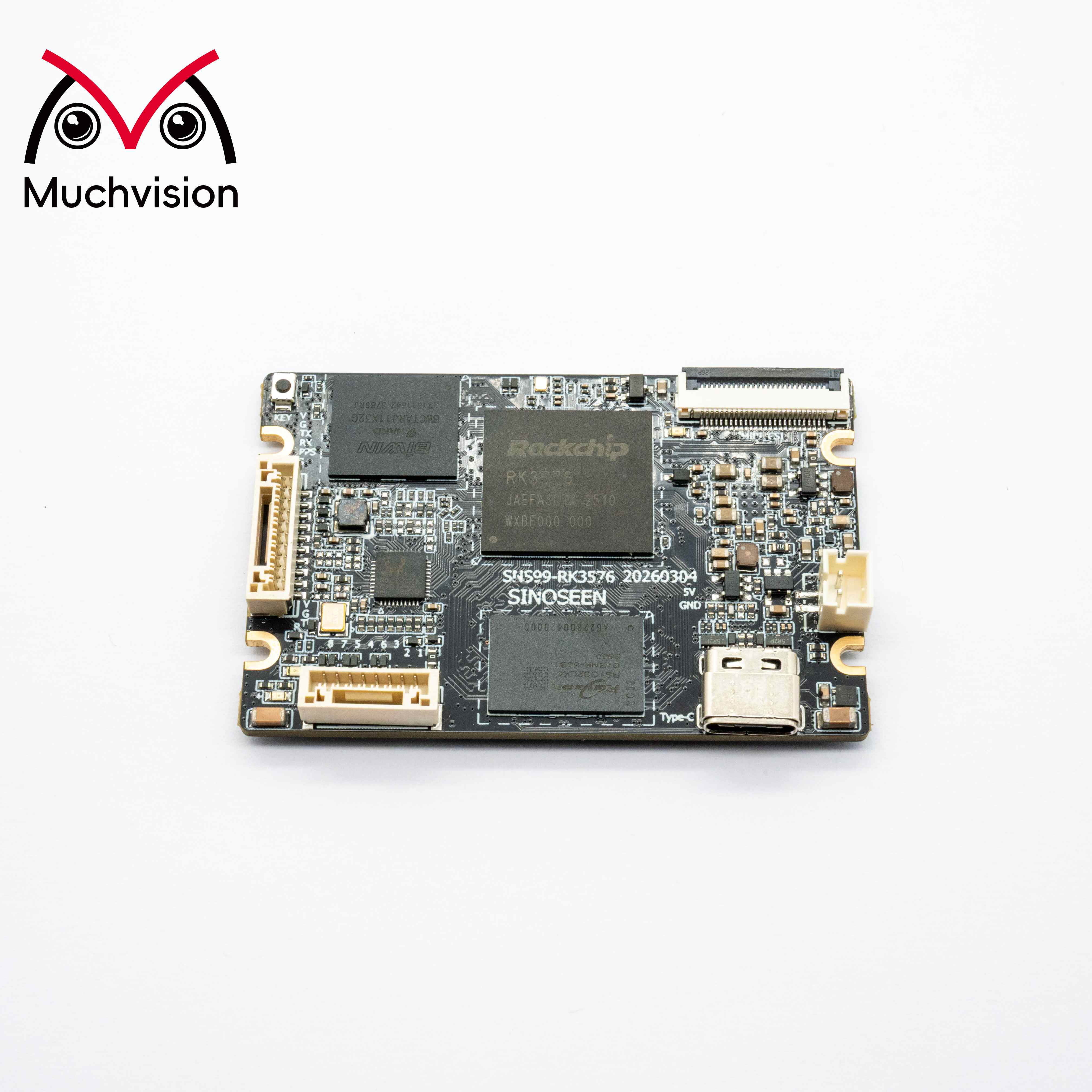
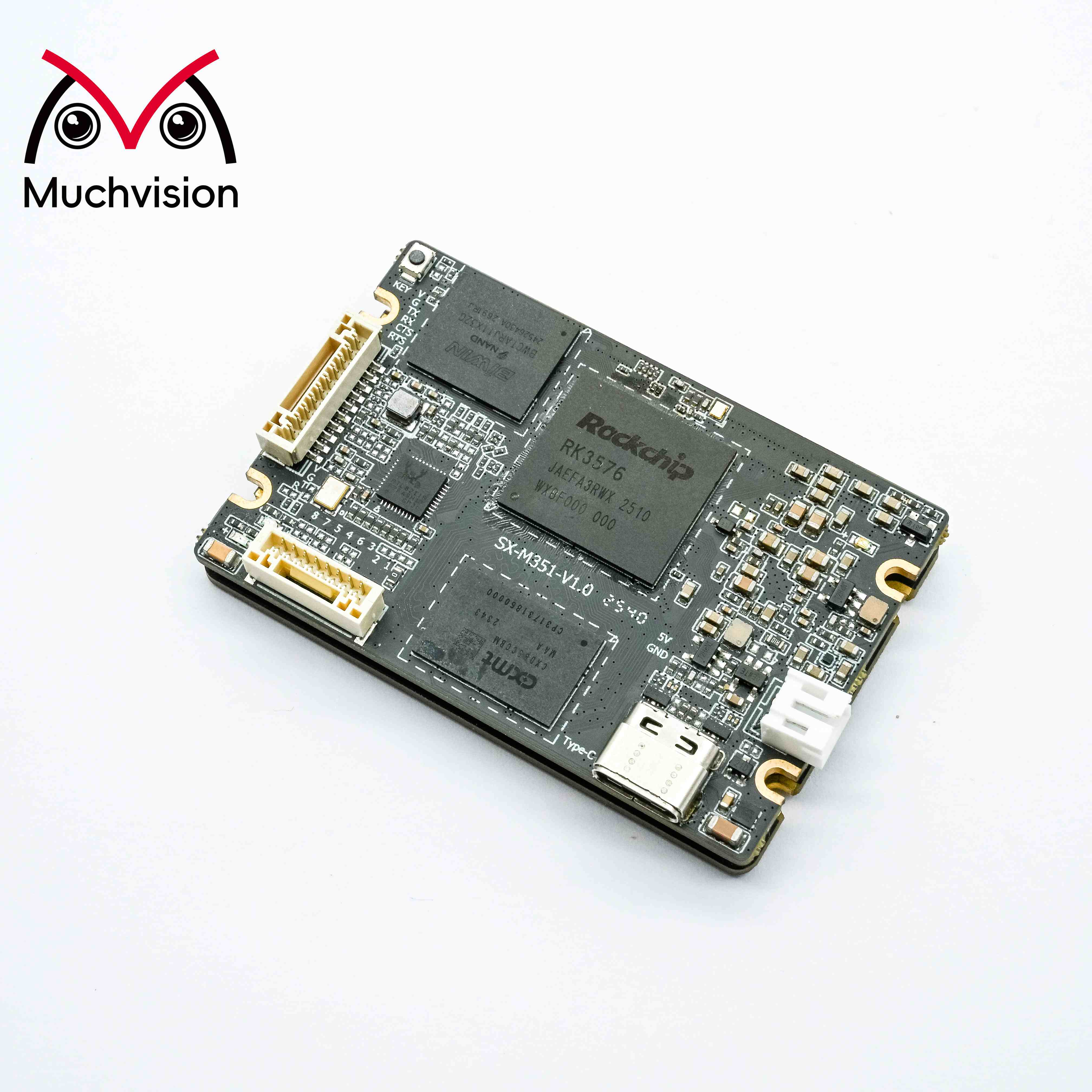
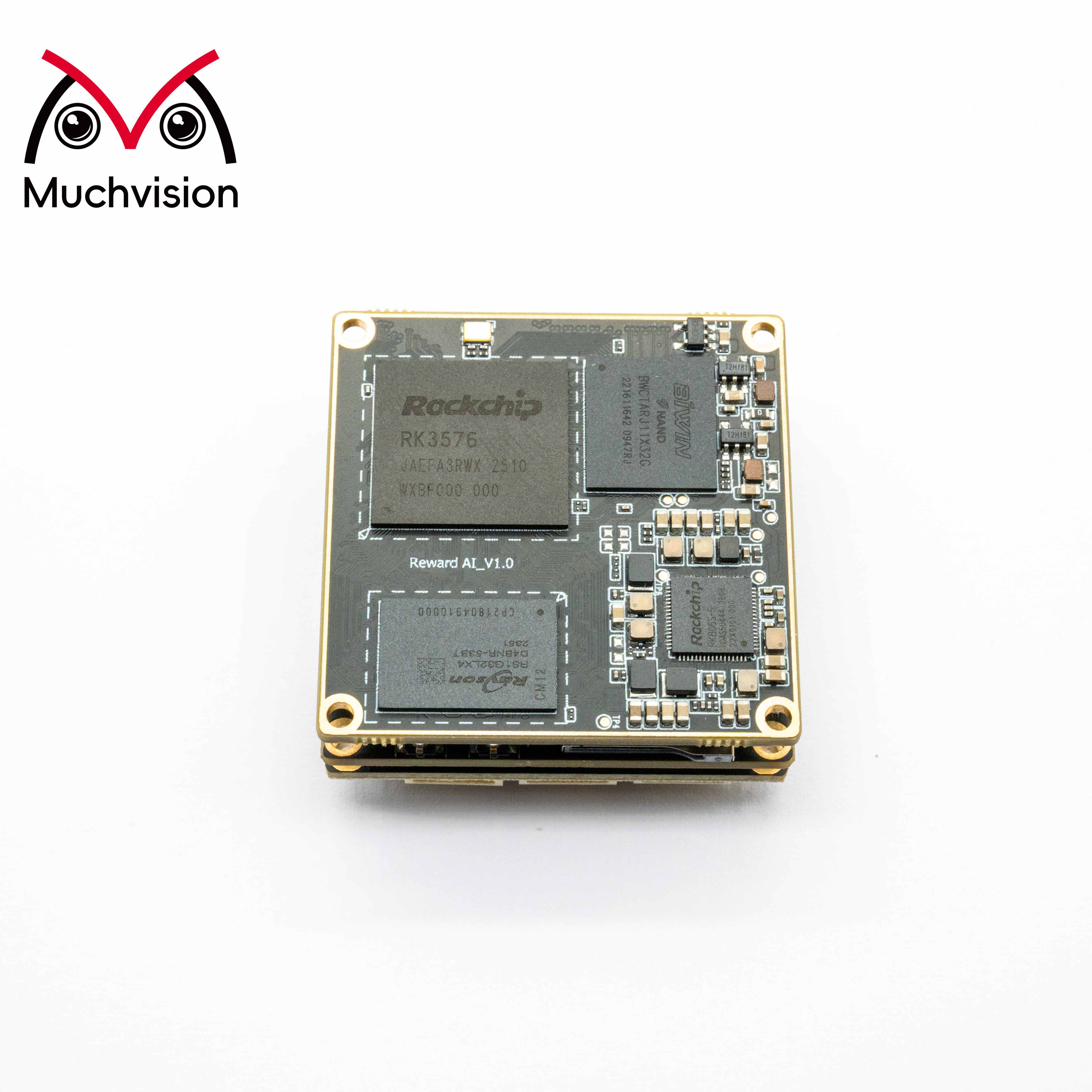
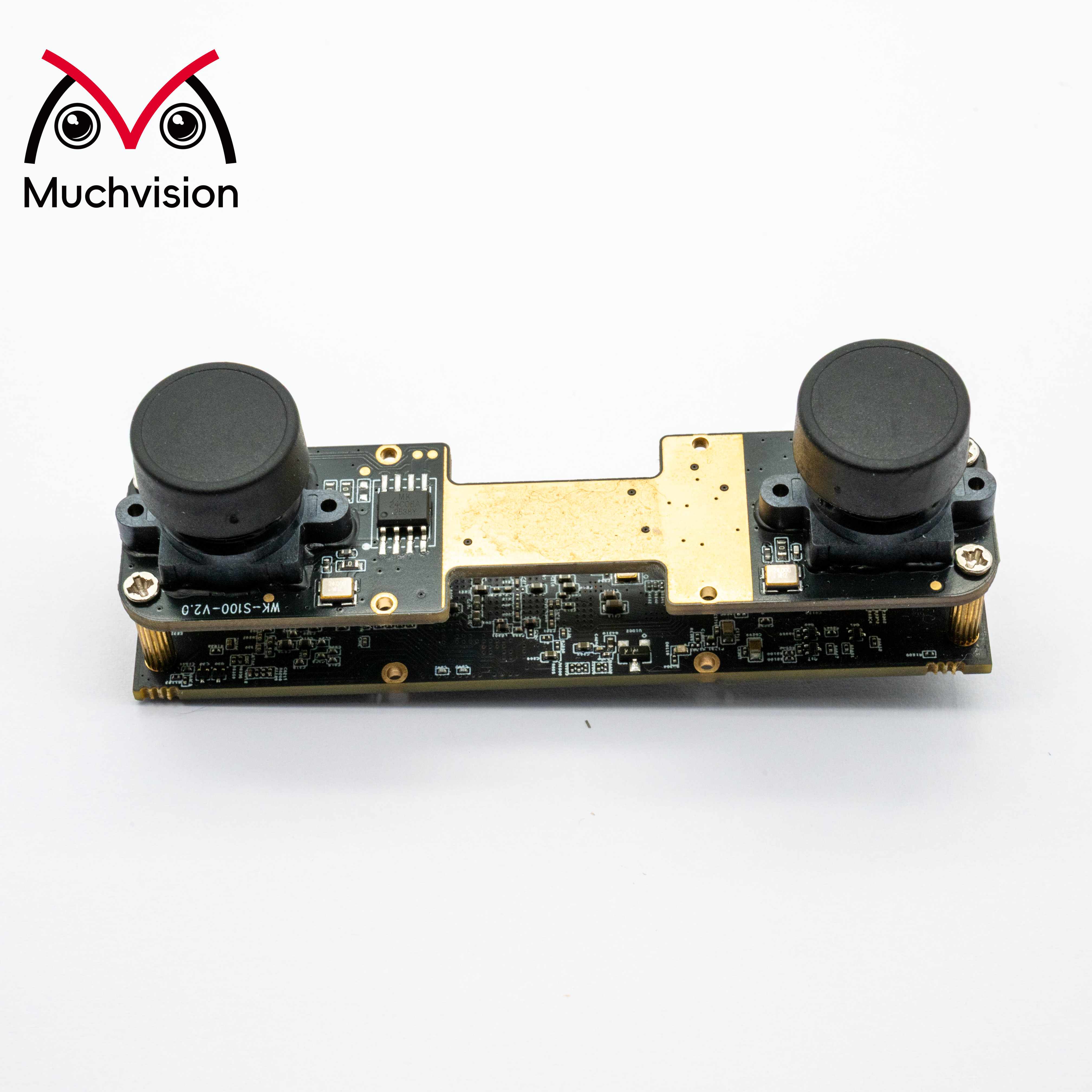
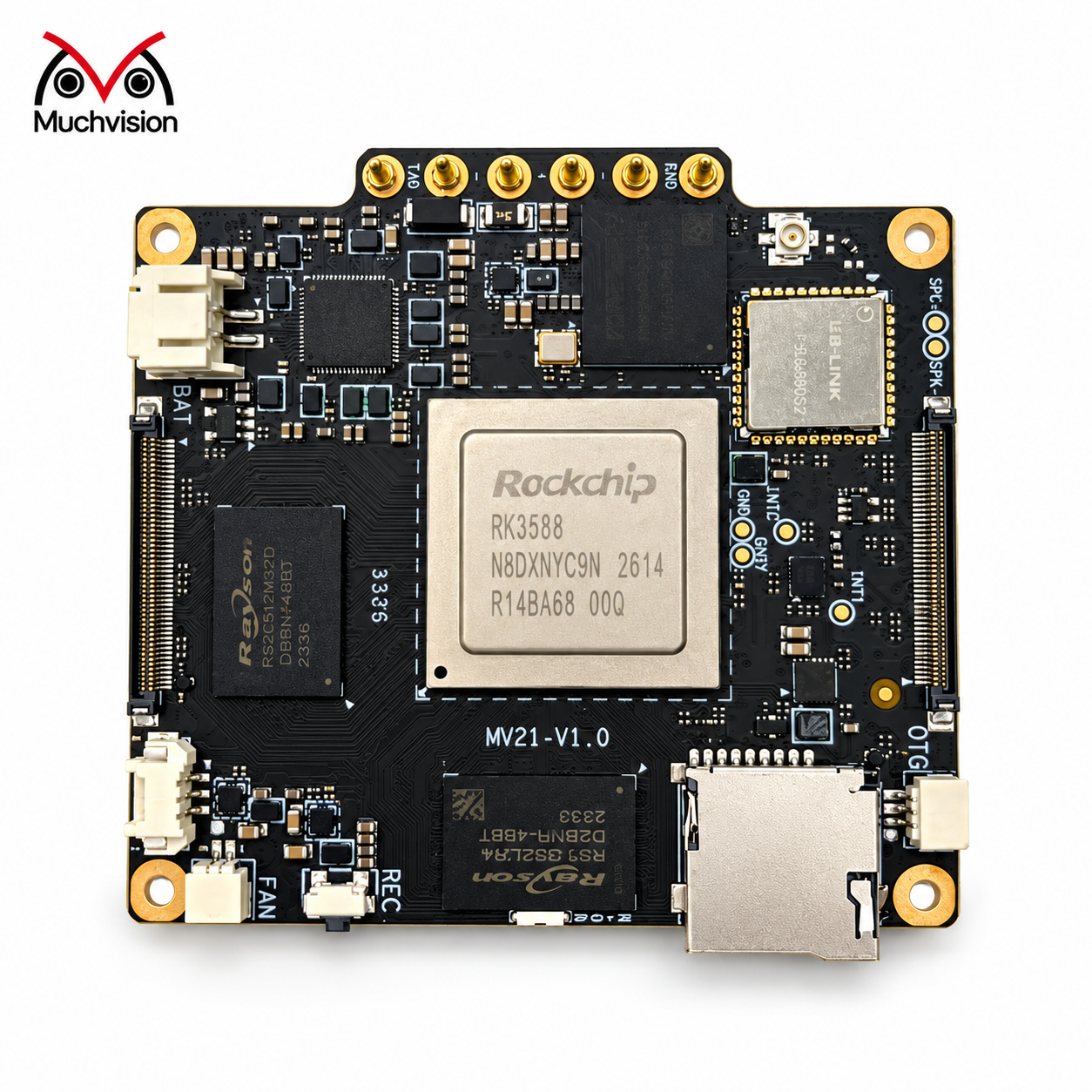
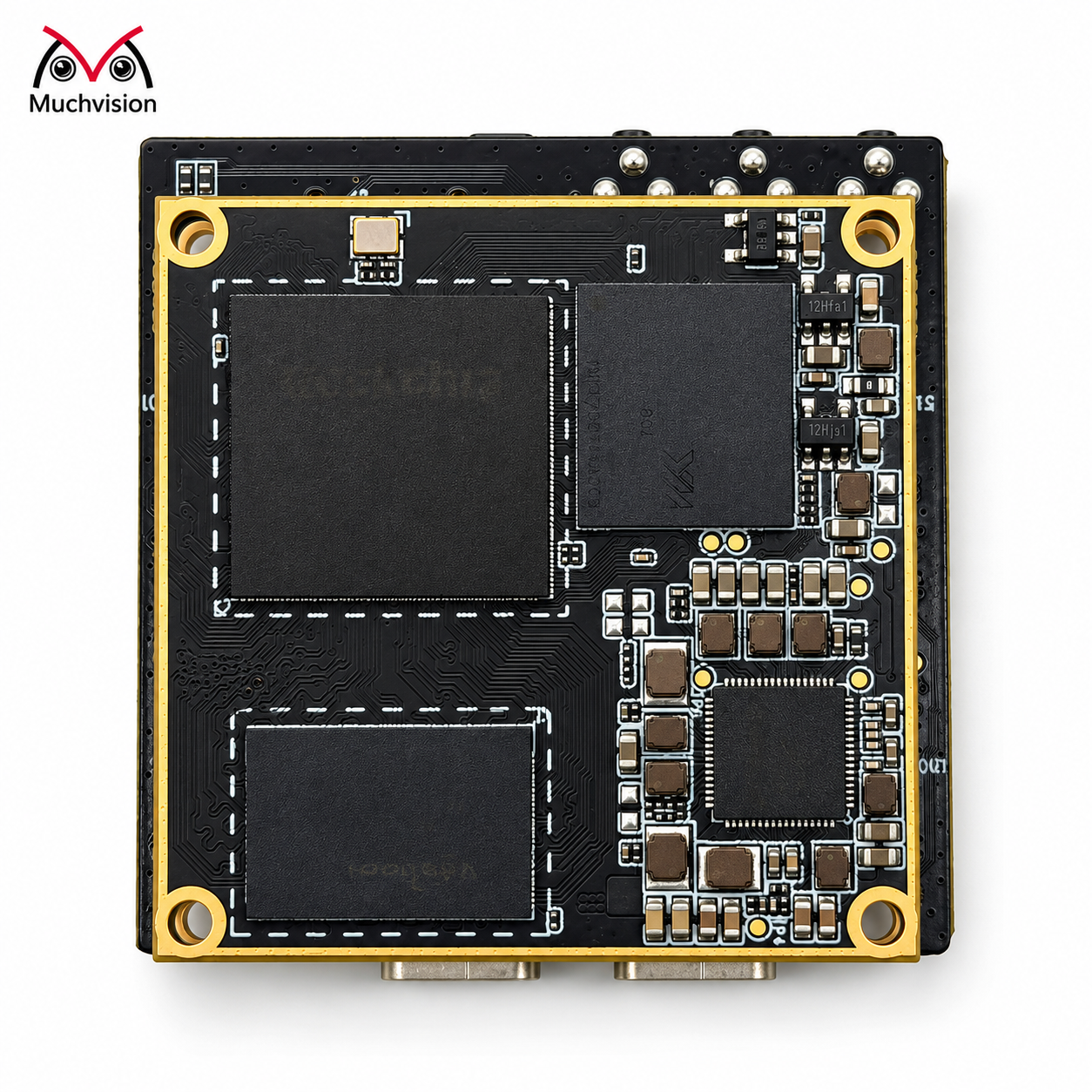
For a camera-centric use case, a board such as the rockchip rk3588 vision design may provide a relevant integration reference, but compatibility still requires application-level verification. Compare it with the required sensor arrangement and mechanical design. A 2026 launch plan should reserve time for qualification and controlled changes rather than treating a successful prototype as final production evidence.
It can be considered for local AI workloads when the model, runtime, and performance target fit the selected hardware and software configuration. Validate inference speed, sustained thermals, and integration with camera or sensor input; specs alone do not establish production readiness.
Compare workload results, interfaces, power and cooling needs, software support, and service requirements. Use 2026 product assumptions and real peripherals in the comparison, then document any compromises against the industrial PC’s acceptance criteria.
Deployment is appropriate after representative testing confirms functional, thermal, and recovery requirements, and the team has a maintainable software baseline. For 2026 programs, verify the specs against production hardware and confirm AI performance again after any material configuration change.
 Hot News
2026-11-25
2026-11-18
2026-11-11
2026-11-06
2026-11-04
2026-11-01

 EN