 ×
Choosing an embedded ai platform for a resource-limited device means balancing model performance against memory, power, thermal limits, and development effort. This guide explains how to evaluate those constraints together, rather than selecting a processor from peak specifications alone. The right choice is the platform that can run your intended inference workload reliably at the point of use.
Start with the application: identify what the device senses, how quickly it must respond, and where it will operate. An edge device may have no continuous network access, limited cooling, and a strict energy budget. A useful tutorial or product brief should therefore be judged by whether it helps you test the full workload, from sensor input through inference to the device response.
Describe the decision the device must make before estimating compute needs. A camera inspecting a moving production line may require consistent inference latency, while a periodic equipment check may tolerate a slower response. Record input size, model type, expected event rate, and acceptable delay; this guide prevents headline throughput from becoming a misleading selection shortcut.
Consider the complete edge workflow, not just the neural network. Image capture, preprocessing, data transfer, inference, and output handling all consume time and resources. Measure the delay that matters to the application, and test representative inputs. A platform with adequate inference speed in isolation can still miss a response target if the camera pipeline or control logic adds avoidable overhead.
Estimate working memory for the model, runtime, operating system, and temporary input buffers. A model may fit in storage but exceed available memory once the application is running. This guide should include room for updates, logging, and expected background tasks, especially when the edge device must operate unattended for long periods.
Power and heat can change practical performance. Review consumption during active inference as well as idle periods, then consider enclosure, ambient temperature, and available cooling. A compact installation may throttle when sustained workloads raise chip temperature. Run a sustained test on the intended hardware rather than treating a short tutorial demonstration as proof of long-term suitability.
Compare the available CPU, GPU, or neural processing resources against your model and framework. Accelerator specifications are useful for screening, but actual inference depends on supported operators, precision formats, memory movement, and software maturity. Use a representative model on the candidate edge platform, and verify that acceleration works across the layers your application needs.
If the model can be optimized or quantized, validate accuracy as well as speed. Lower precision may reduce memory use and improve inference throughput, but the result depends on the model and data. Keep a baseline test set, compare outputs after optimization, and document acceptable error. A practical guide treats resource savings and decision quality as connected requirements.
Confirm that the operating system, inference runtime, drivers, and development tools support the planned deployment. A tutorial can show how to launch a sample, but production work also needs repeatable builds, diagnostics, and a clear method to install updates. Assess whether your team can maintain the software stack over the device lifecycle.
Review camera, network, storage, and industrial interface requirements before settling on a board. Check connector availability, bandwidth, and compatibility with existing sensors or controllers. On an edge installation, a missing interface can add adapters, wiring complexity, and failure points. Include these details in the guide alongside processor and memory comparisons.
Build a small proof of concept using the actual sensor, model, runtime, and application logic. Measure startup time, inference latency, power draw, and thermal behavior under realistic operating conditions. Repeat tests with typical and demanding inputs. This makes the edge evaluation more useful than relying on a vendor benchmark or an isolated inference tutorial.
Test interruptions and recovery as well as normal operation. Check what happens after a restart, network loss, storage pressure, or invalid input. If the device must make decisions locally, confirm that inference continues without cloud connectivity. Record failures and resource use so the selection guide reflects operational behavior, not just a successful demonstration.
Compare candidates against requirements in order of consequence: application response, model compatibility, power and thermal limits, interfaces, and maintainability. Mark each requirement as verified, uncertain, or unmet. This guide makes trade-offs explicit and helps prevent a low-cost or high-performance specification from outweighing a critical deployment constraint.
Also consider how the model and application may change. New input formats, security updates, or higher event volumes can increase memory and compute demand. Leave practical headroom where the design allows, and confirm the update path before deployment. A short tutorial may help a team begin, but lifecycle readiness requires documented testing and ownership.
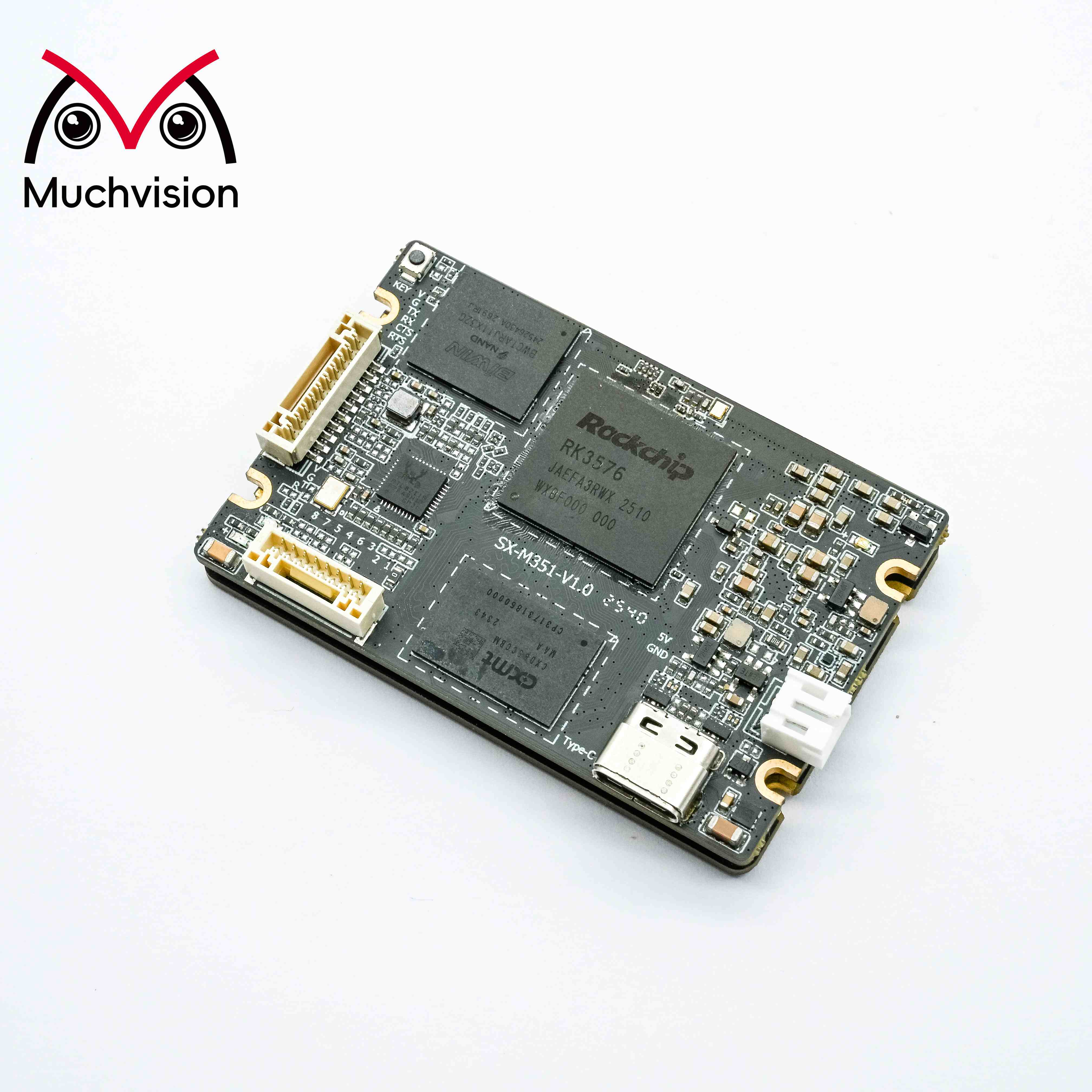
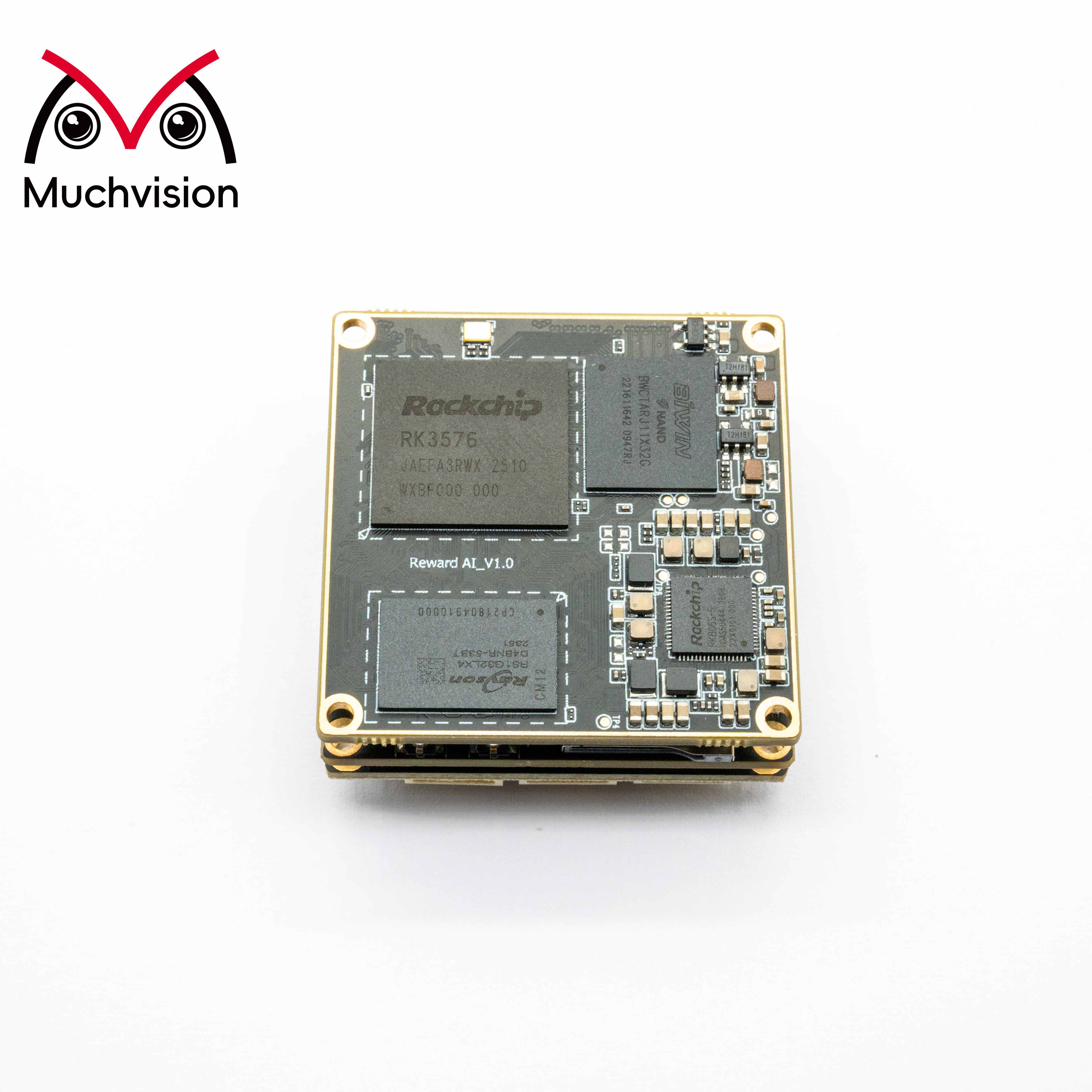
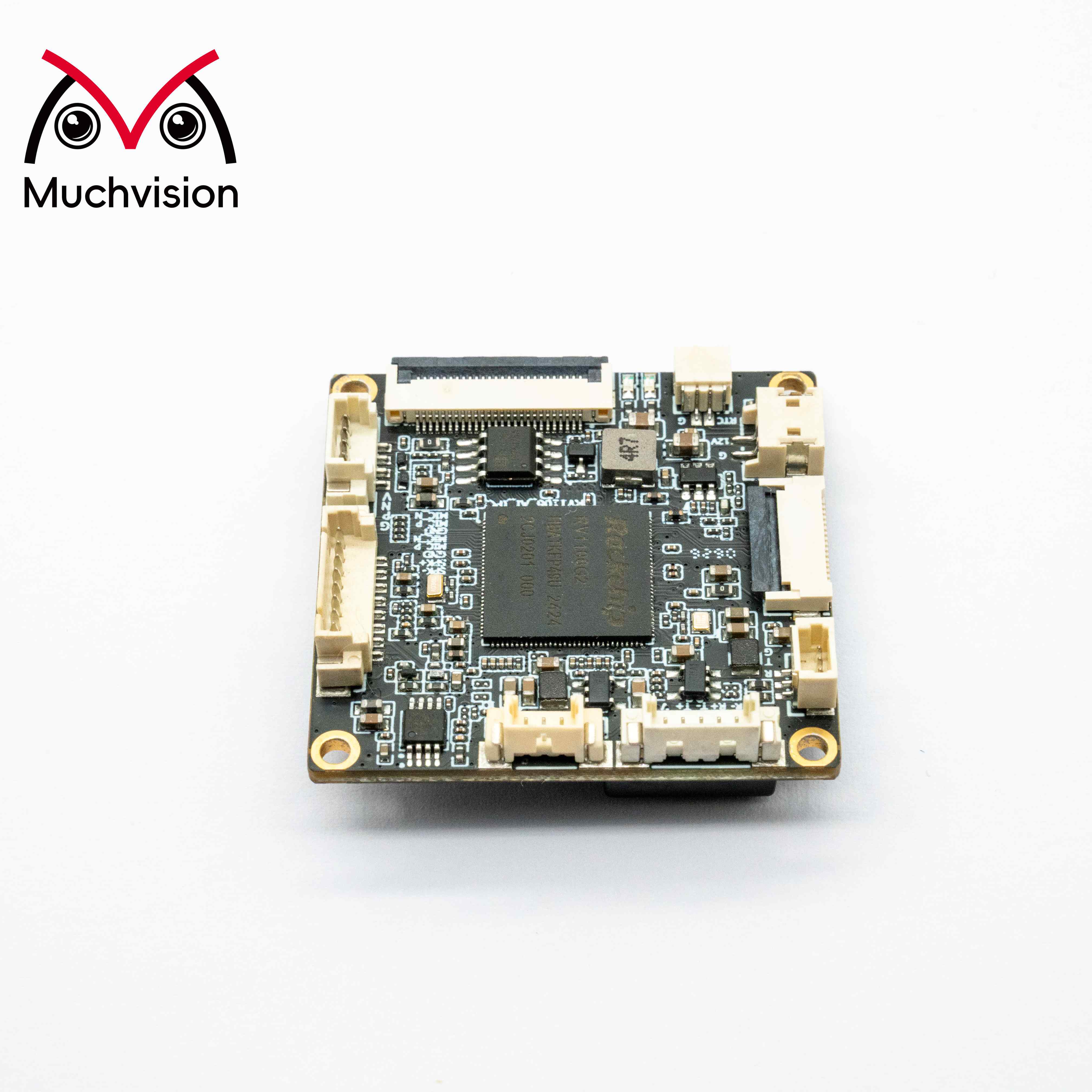
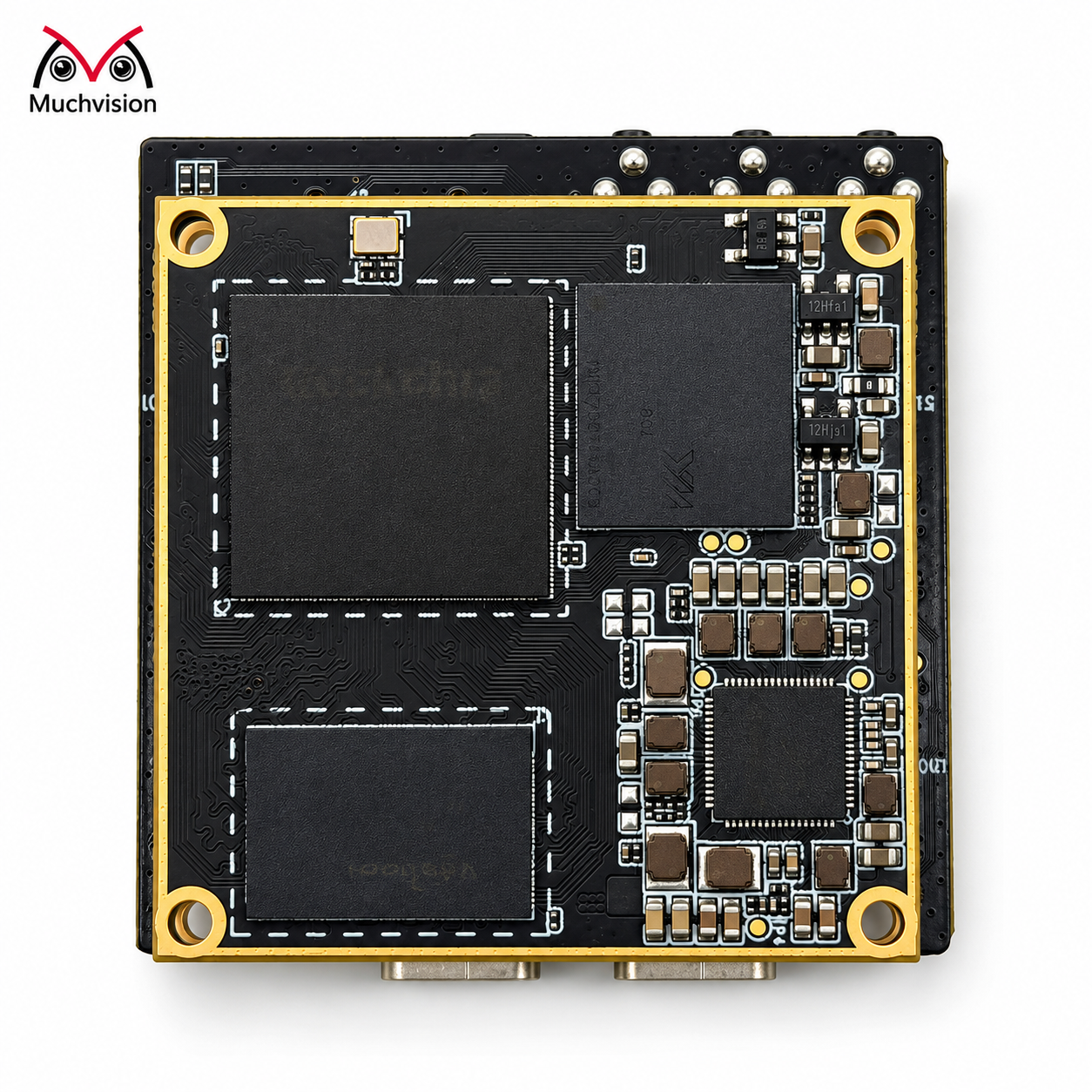
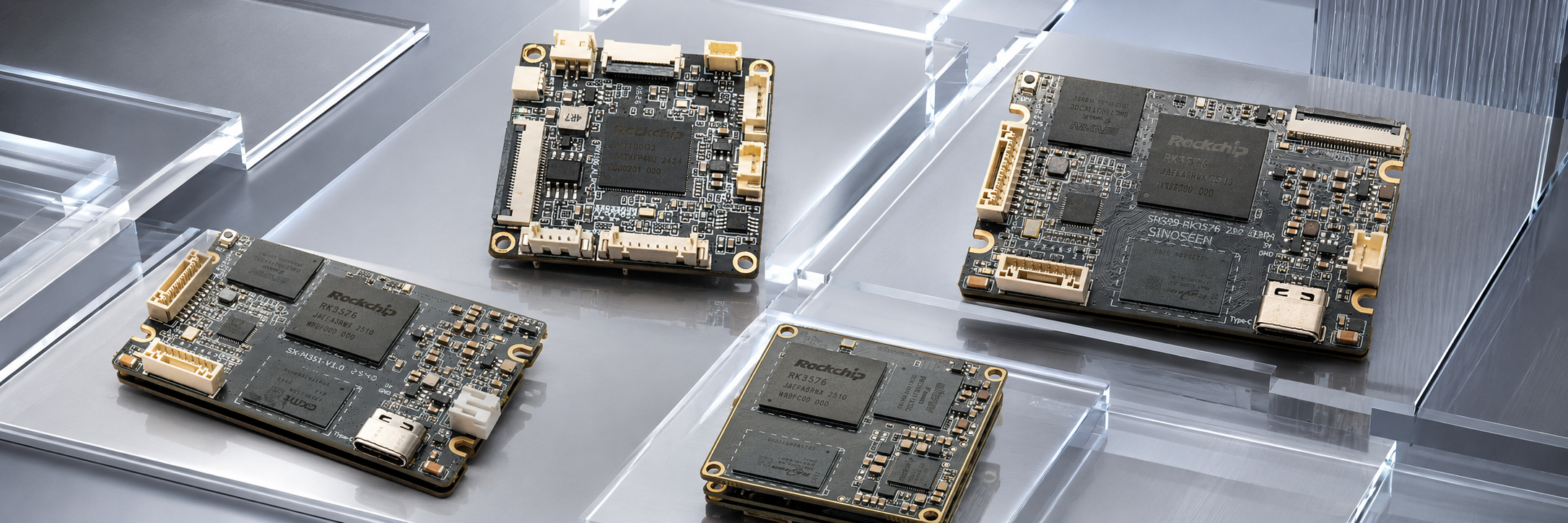
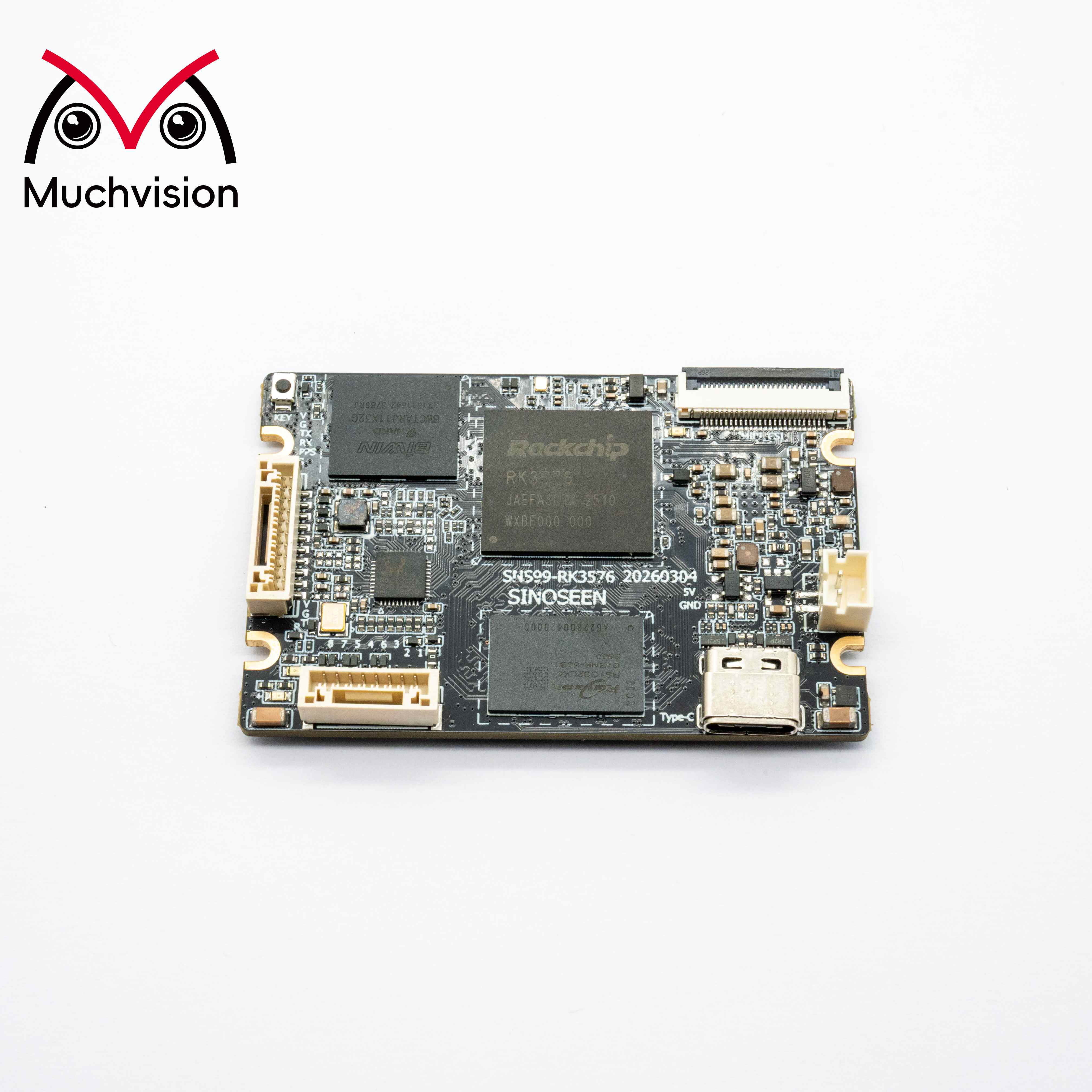
For a board-level option to assess in this process, review the embedded ai vision platform against your model, interfaces, and enclosure. Treat product specifications as a starting point, then run the same representative inference and thermal tests used for other candidates. The suitable choice is the one that satisfies measured requirements with a manageable software and maintenance workload.
Local inference suits situations that need prompt responses, offline operation, or local data handling. Cloud processing can suit heavier workloads when connectivity and latency permit. This guide recommends deciding from application needs, then testing the edge connection and fallback behavior.
There is no single amount for every model. Measure model and runtime use with real inputs, then include operating-system needs, buffers, and application processes. A tutorial example is only a reference; verify memory headroom during sustained inference.
No. Supported operators, runtime quality, power limits, and thermal behavior affect real performance. Compare measured inference on the intended workload, then use this guide to confirm that the complete edge device meets response and lifecycle requirements.
 Hot News
2026-11-25
2026-11-18
2026-11-11
2026-11-06
2026-11-04
2026-11-01

 EN