 ×
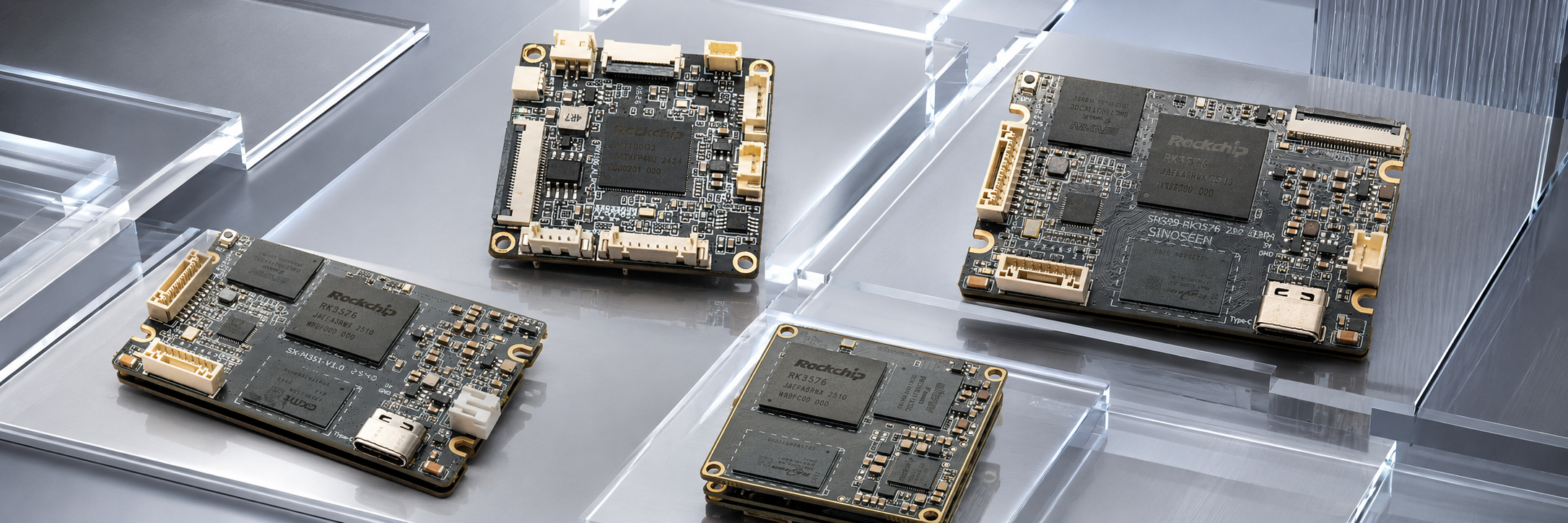
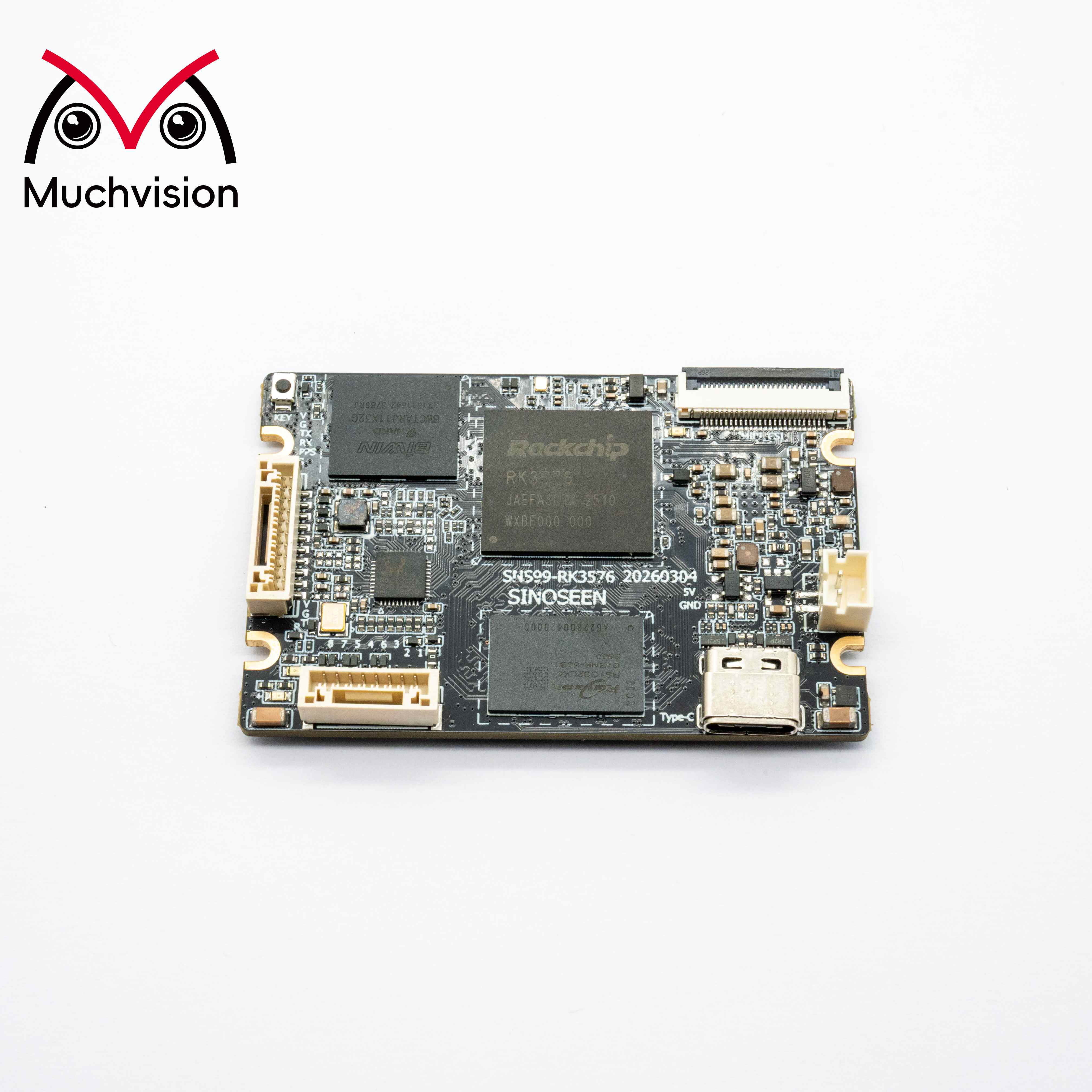
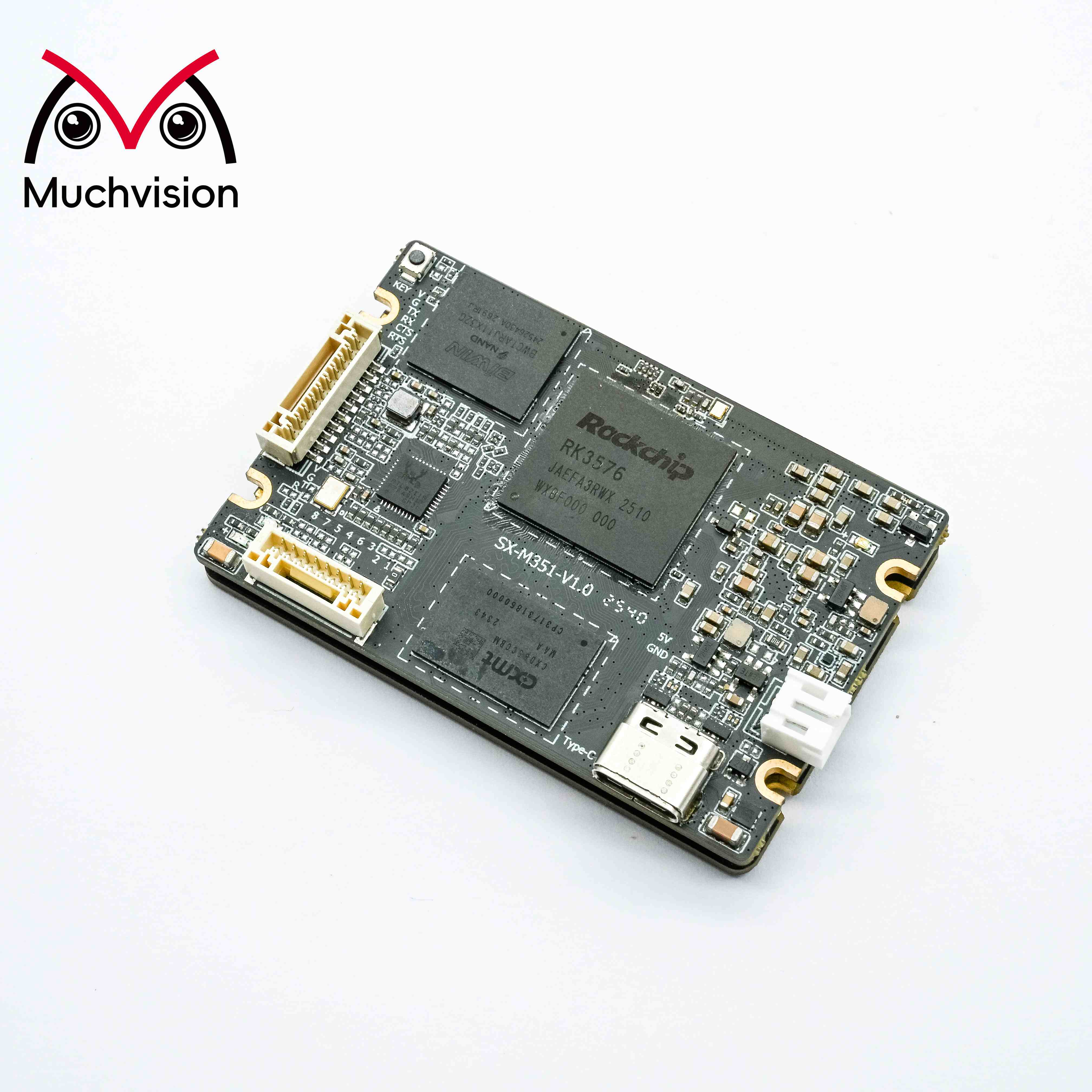
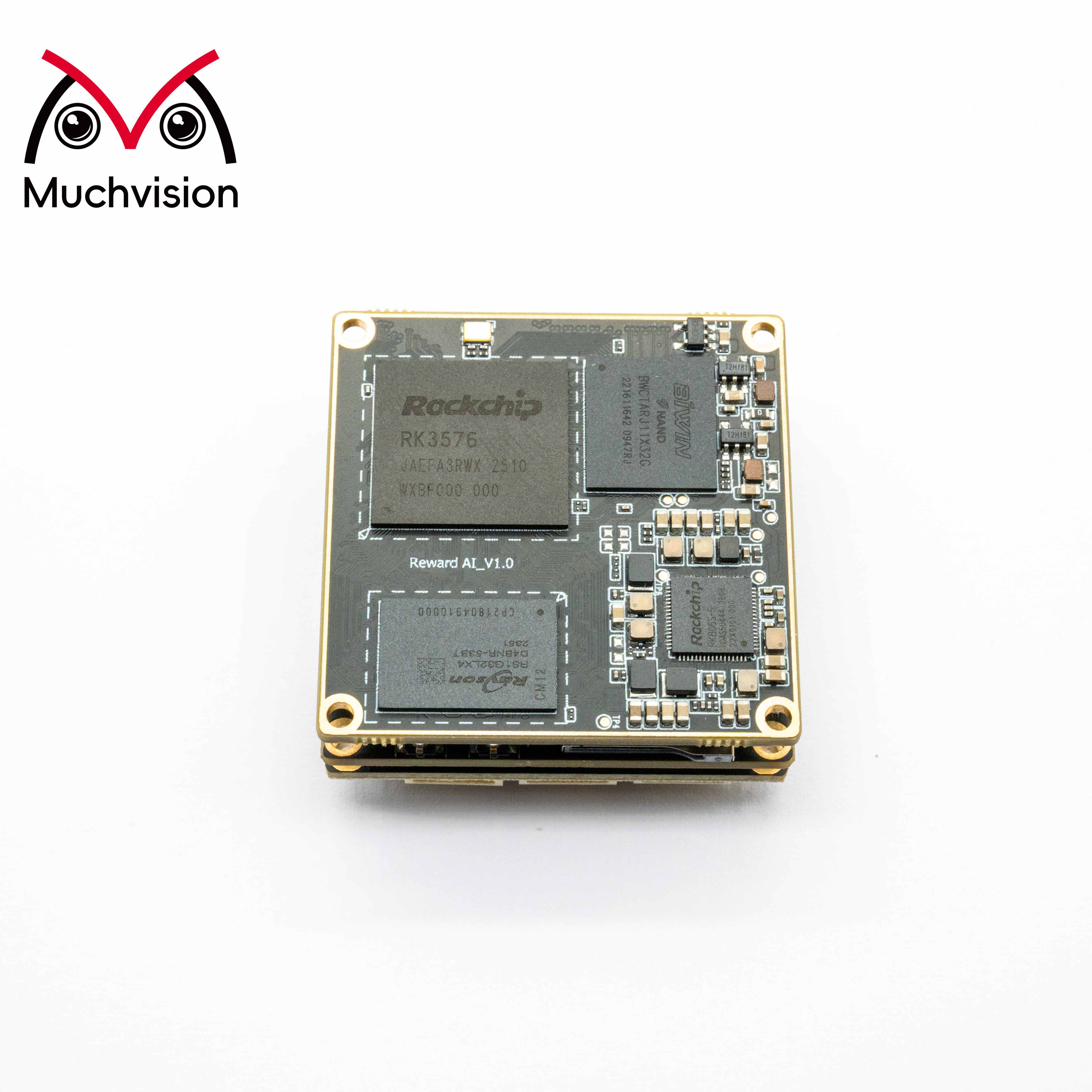
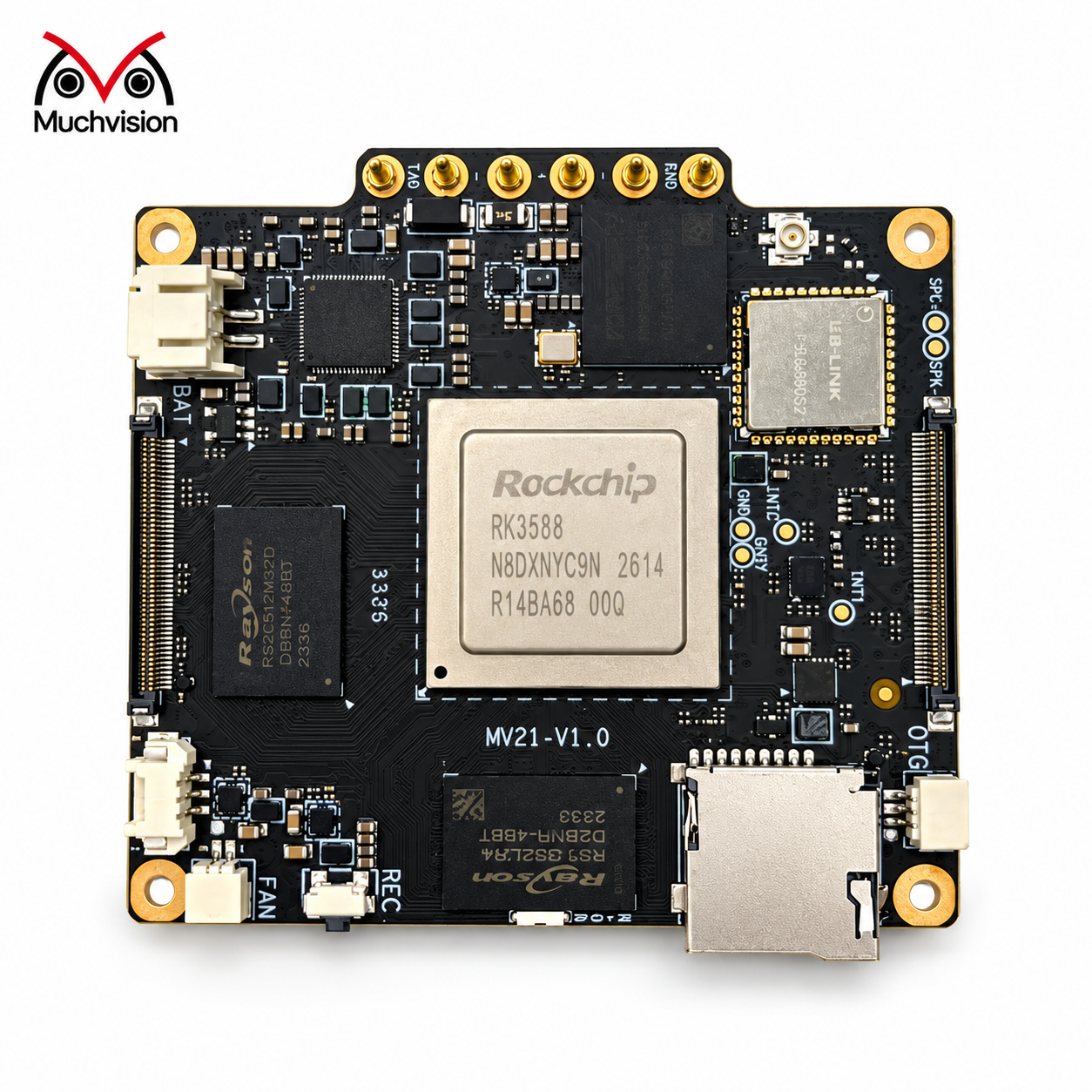
Pairing the rockchip rk3588 with an OEM carrier board gives product teams room to turn a capable computing platform into a system shaped for a specific device. The value is not simply access to strong specs or AI processing; it is control over interfaces, mechanical fit, and integration choices. For programs planned around 2026 launches, those decisions can reduce avoidable redesign work.
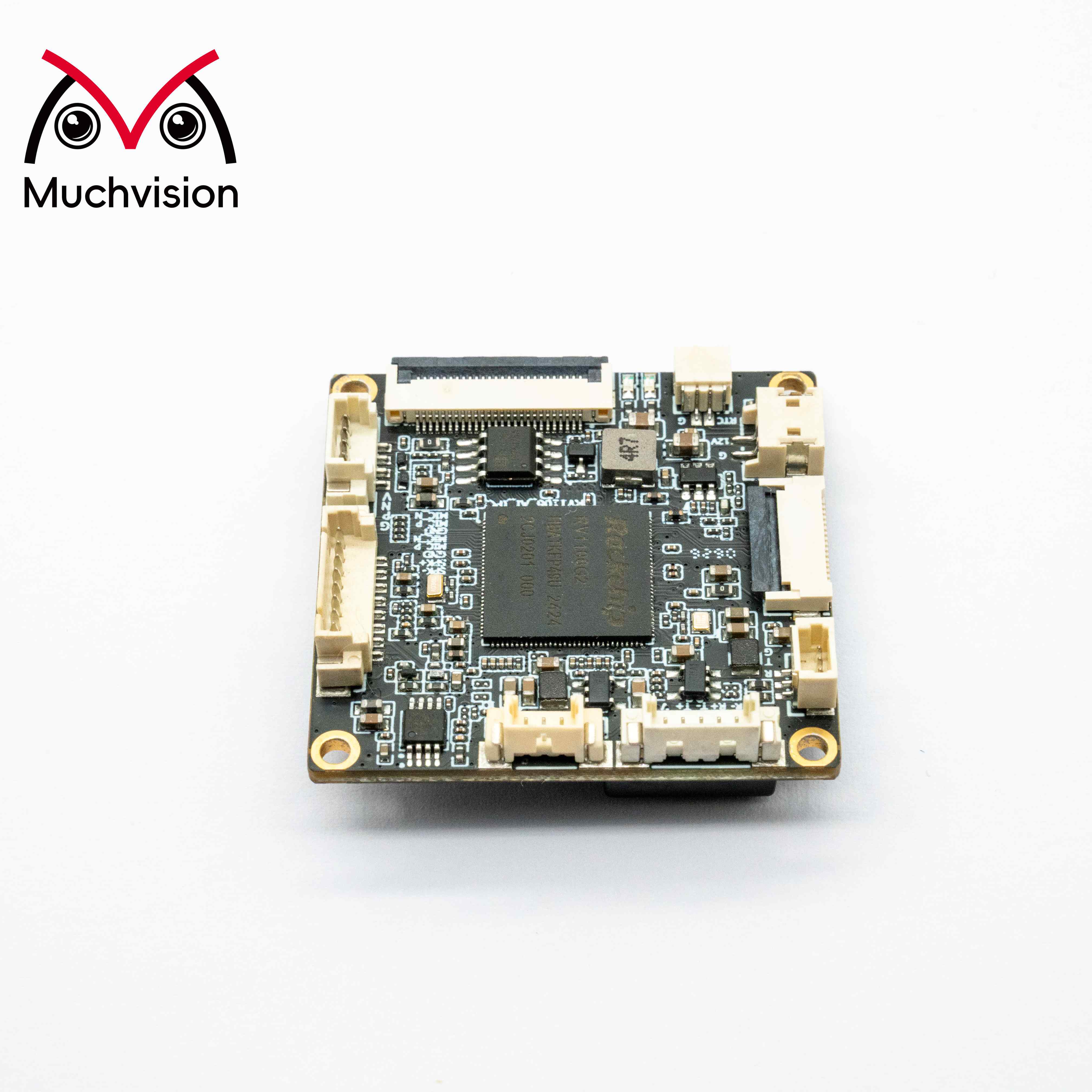
A carrier board is the connection layer that routes power and signals between a compute module or processor platform and the rest of an OEM product. Rather than accepting a fixed set of ports, engineering teams can choose the layout and connections that suit their enclosure and peripherals. That comparison between a general development setup and a purpose-built design is central to the OEM decision.
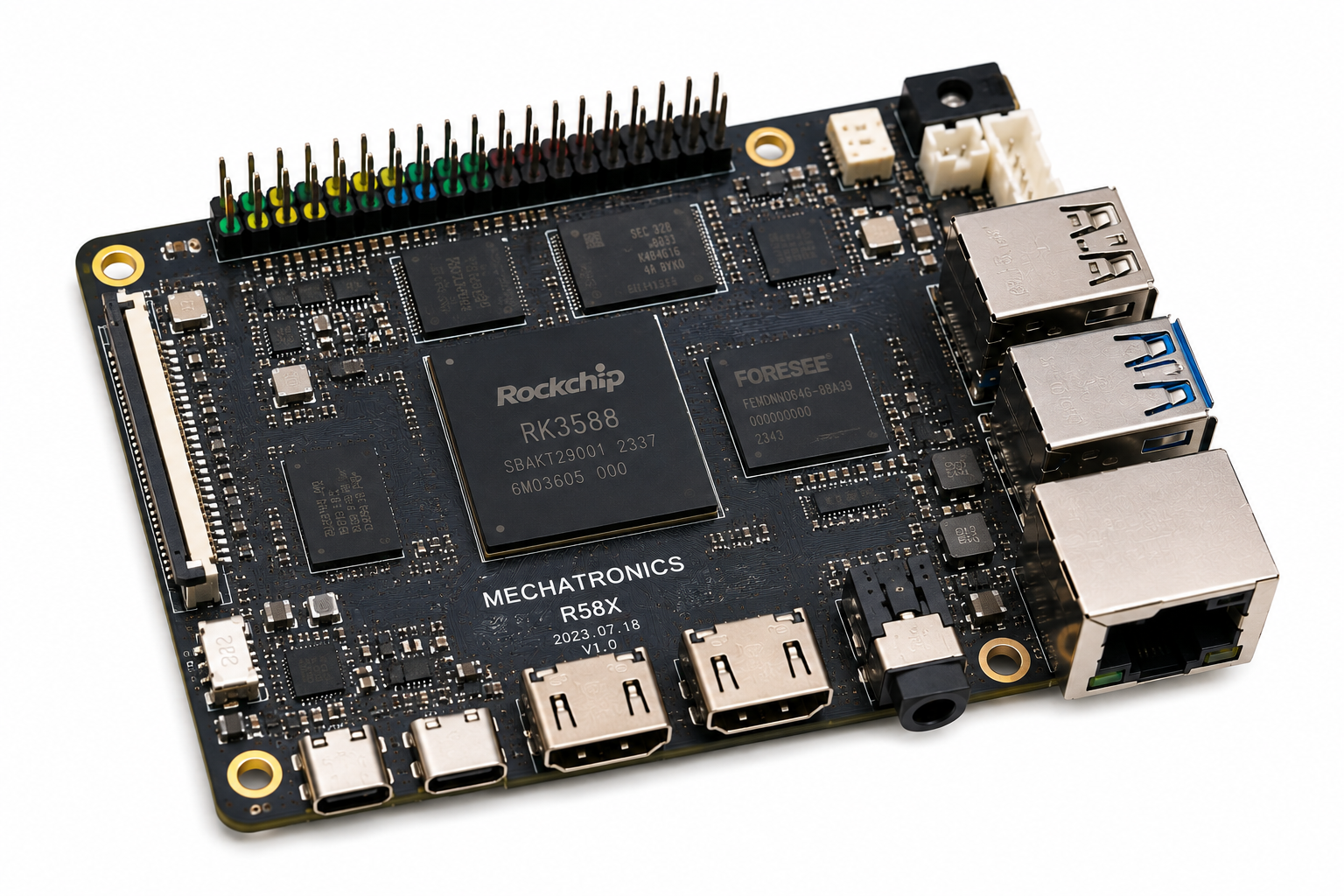
The rockchip rk3588 is designed for demanding embedded computing, including graphics, image handling, and AI workloads. Its specs matter when a device must process multiple data streams locally, but raw capability alone does not determine product fit. OEMs should map expected workloads, software frameworks, memory needs, and thermal limits before choosing how the platform will be integrated.
A carrier board helps translate those requirements into a usable system. It can expose only the interfaces a product needs, route signals to planned camera or display connectors, and position ports for assembly. For an AI-enabled inspection unit, teams may prioritize camera inputs and stable power delivery; for another device, service access or network connections may matter more. This makes the specs a starting point for design, not a complete design brief.
OEM enclosures impose practical constraints that generic boards may not address. Connector direction, mounting holes, cable clearance, and access for technicians all affect whether a design is manufacturable. A custom carrier lets engineers settle these details around the actual product rather than adapting the housing to an evaluation board.
This flexibility can be especially useful when a device combines cameras, sensors, storage, and a display. A relevant comparison is not only processor performance; it is also how cleanly the complete interface set fits the intended footprint. During 2026 planning, teams can use that comparison to separate must-have connections from optional ones and avoid carrying unused ports into production.
Start with a system map that names each peripheral, its electrical interface, data rate, cable path, and operating role. This turns broad specs into verifiable engineering requirements. AI use cases should be described in terms of input sources, processing location, response expectations, and software dependencies, because these factors influence memory, connectivity, and thermal decisions.
Then confirm which signals the module or processor platform actually makes available and how the carrier must route them. A practical comparison of candidate layouts should include connector access, expansion options, and test points, not just the headline specs. For 2026 programs, documenting these dependencies early gives mechanical, electrical, and software teams a shared reference as the design evolves.
A carrier board cannot compensate for an unrealistic power or cooling plan. Engineers should evaluate the expected workload, enclosure airflow, component placement, and power input as one system. AI processing can create sustained load, so testing should represent normal operation as well as peak activity. This keeps performance targets connected to the conditions of the finished device.
Software validation belongs in the same loop. Confirm operating-system support, camera drivers, peripheral compatibility, and update procedures on the intended hardware configuration. The specs may suggest capability, but an end-to-end comparison with actual peripherals reveals integration gaps. Treating these checks as design gates during 2026 development helps teams catch issues before tooling or production decisions become difficult to change.
Customization is useful when it solves a defined product requirement, not simply because a custom board is possible. Decide which functions justify a dedicated layout, then consider serviceability, component sourcing continuity, and revision control. A comparison between a standard board and an OEM carrier should account for engineering effort alongside the benefit of a better-fit interface set.
The rockchip rk3588 platform may support a broad range of applications, but the production design still needs documented acceptance criteria. Include electrical checks, peripheral tests, thermal validation, and software recovery procedures. AI features also need repeatable test inputs and clear behavior when an input is missing or a peripheral is disconnected. Those requirements make the design easier to maintain after launch.
Think beyond the first prototype. A carrier designed for deployment should accommodate assembly tolerances, connector retention, labeling, and access for diagnostics. Teams should review the complete specs against the expected installation environment, including temperature, vibration, and available power, then validate conditions appropriate to the product rather than relying on assumptions.
A planned revision path can preserve useful flexibility without overbuilding the initial device. Reserve only the expansion options that have a credible use, and record how board changes affect software and certification work. For a 2026 release, this comparison of present requirements and plausible next revisions supports more deliberate decisions. It keeps the AI roadmap connected to hardware choices while avoiding features that add complexity without a clear use case.
No. A standard board can be suitable for prototypes or products whose interface and mechanical needs already match. A custom carrier is most useful when the enclosure, peripherals, or production workflow require changes. Revisit the specs and make a comparison against the actual product requirements before committing.
Confirm signal availability, peripheral compatibility, power needs, cooling constraints, and software support. Test the intended cameras and other devices early. For an AI product, verify representative workloads and define a 2026 validation plan that includes integration and service requirements, not only processing capability.
It can provide a layout tailored to camera connectors, cable routing, and the device enclosure, subject to the platform’s supported interfaces. Check the exact specs and validate every camera path on hardware. A careful comparison of layout options can also clarify which features are essential for production and which can wait for a later revision.
 Hot News
2026-11-25
2026-11-18
2026-11-11
2026-11-06
2026-11-04
2026-11-01

 EN