 ×
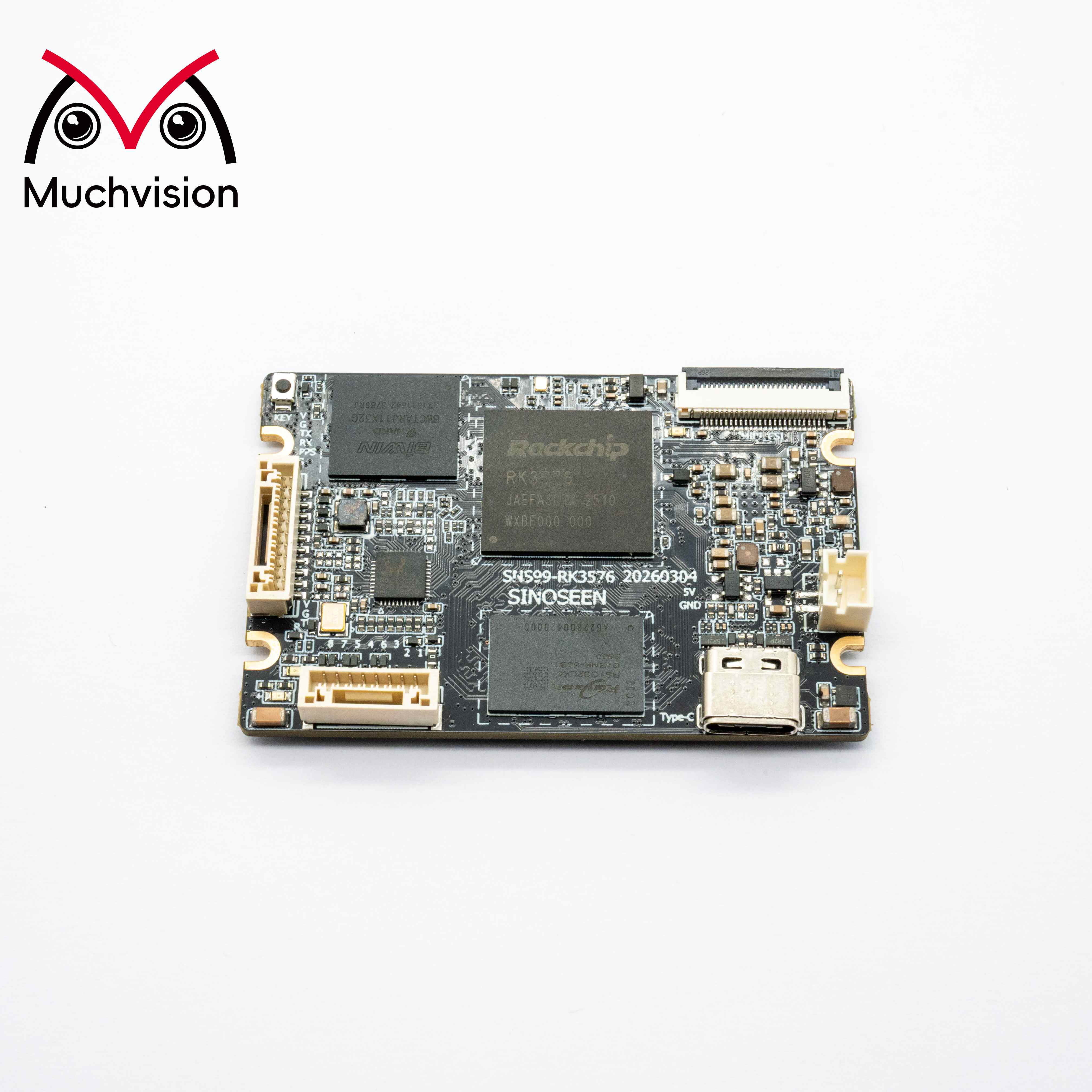
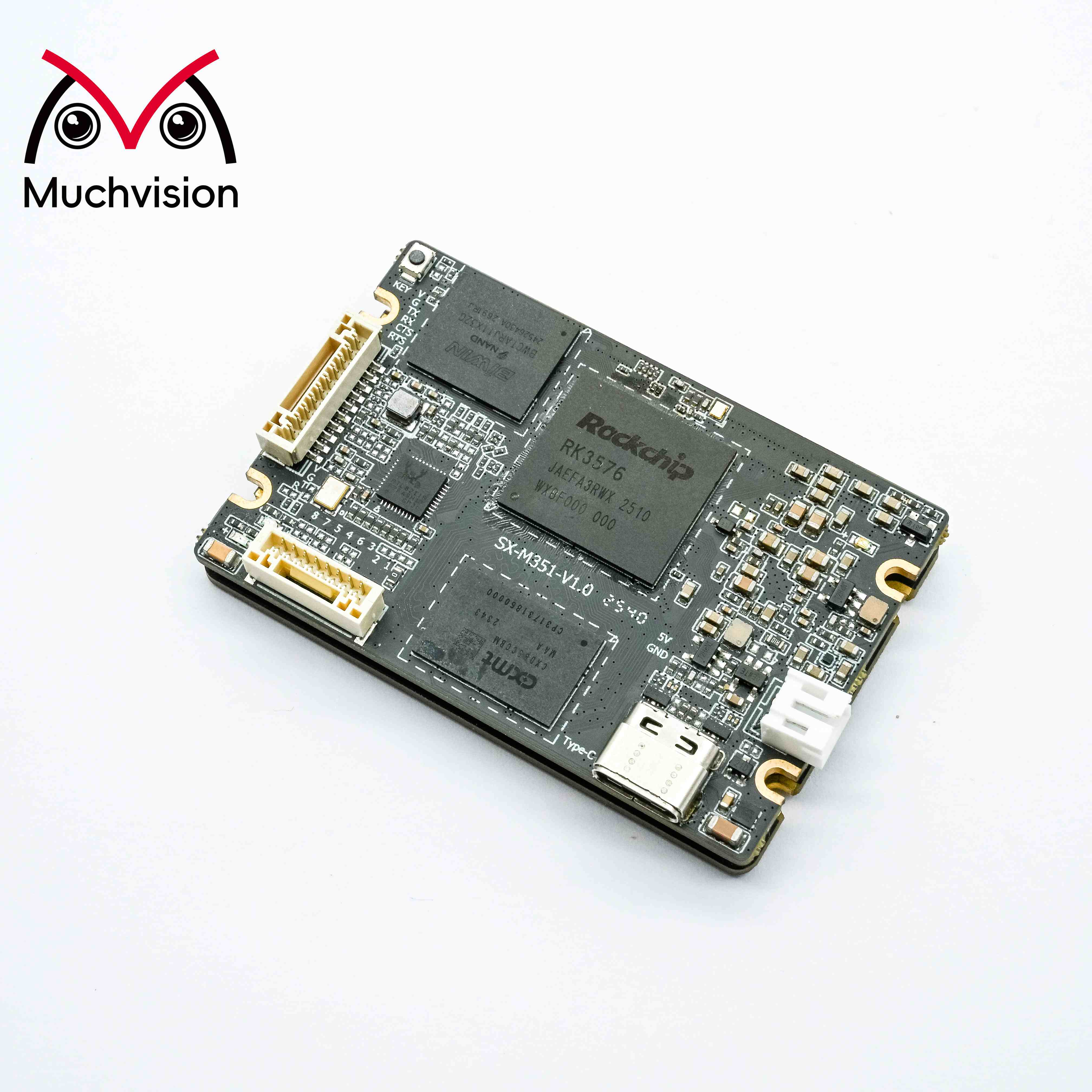
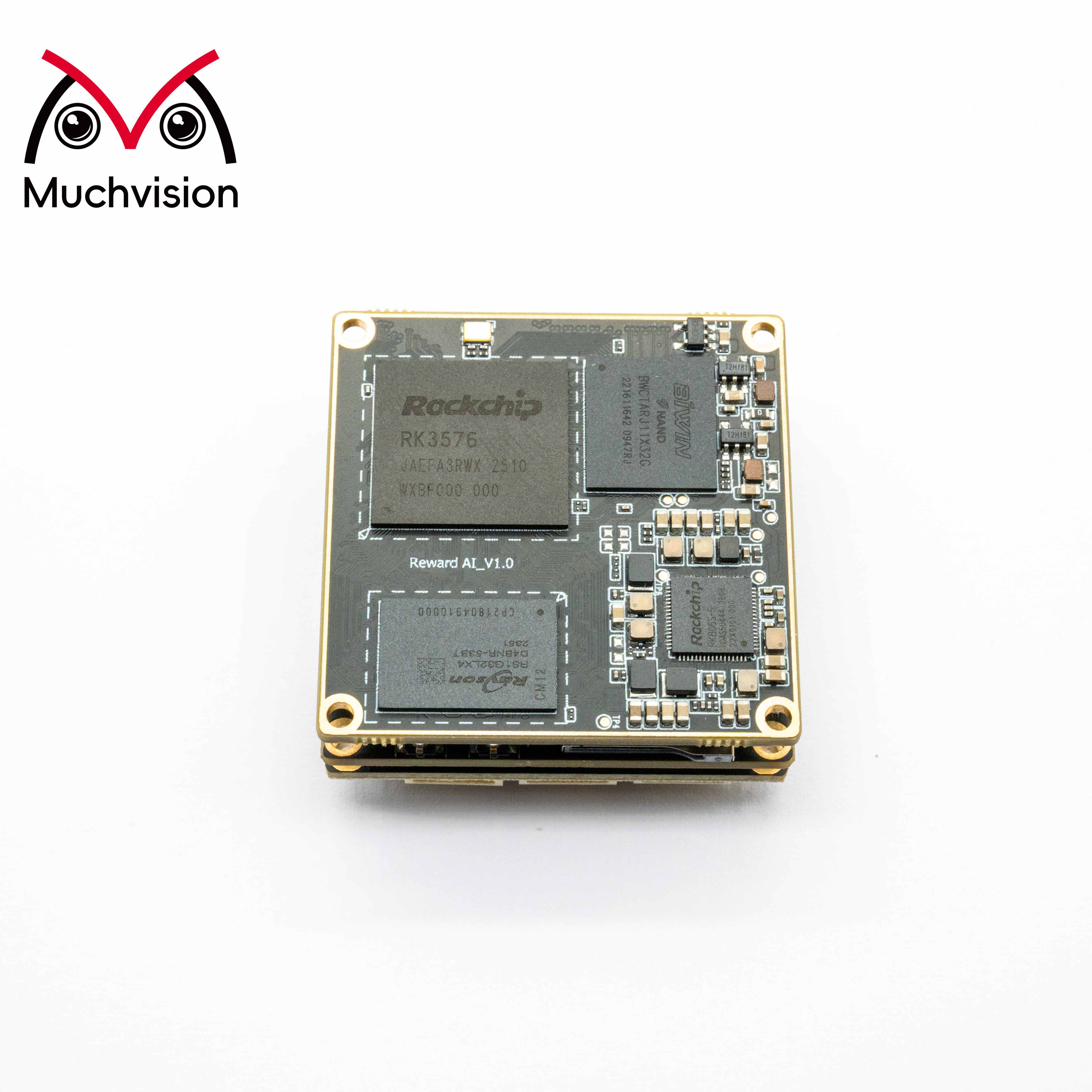
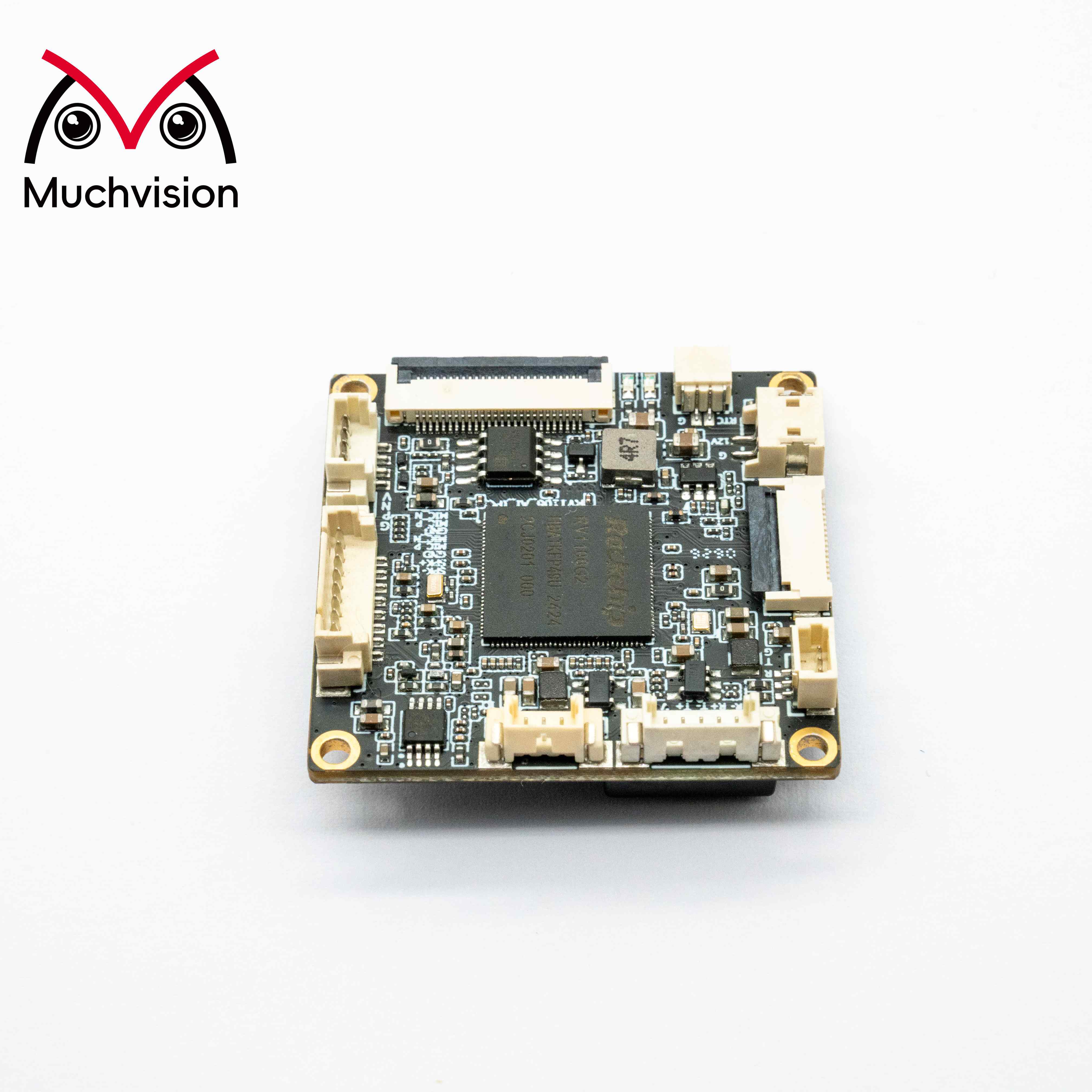
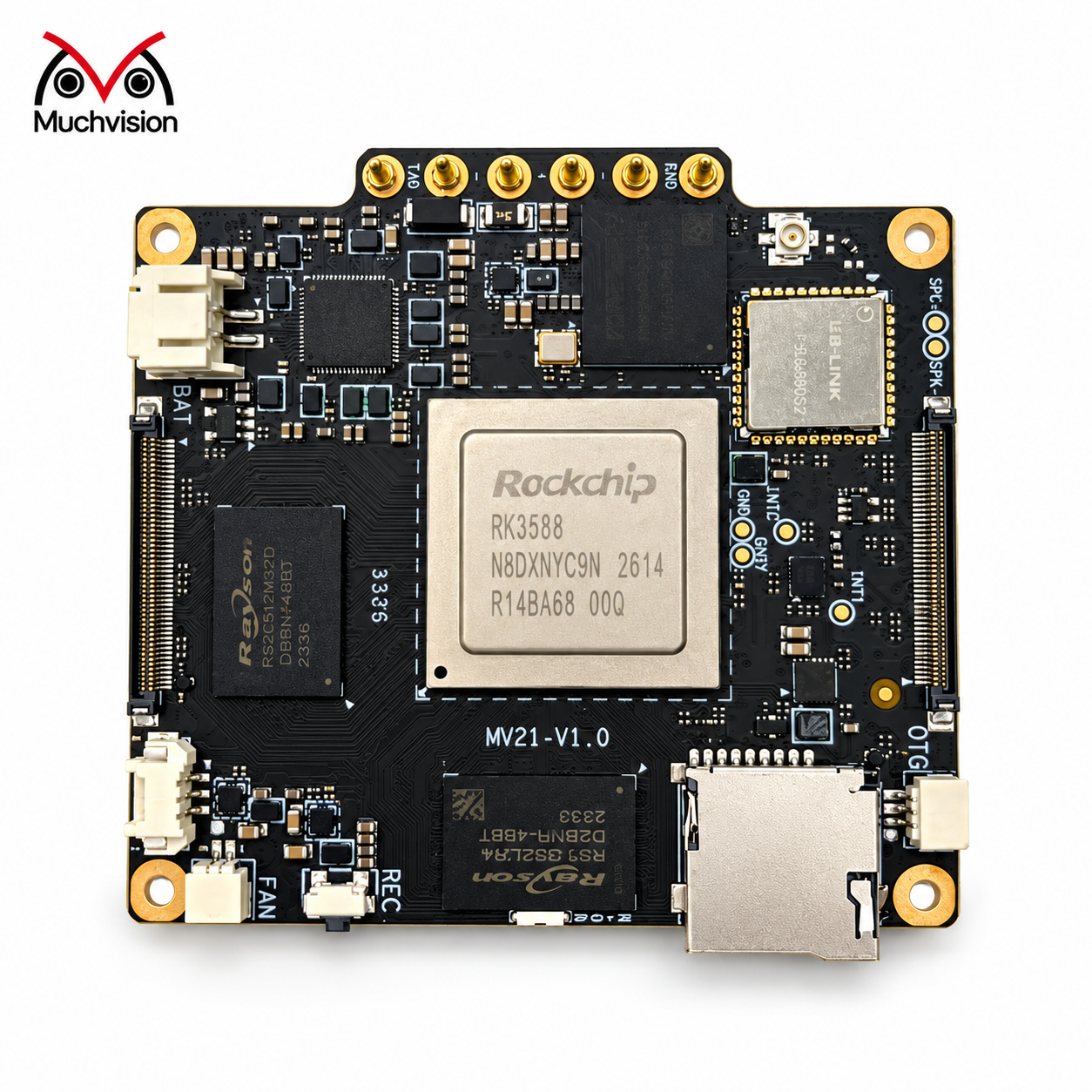
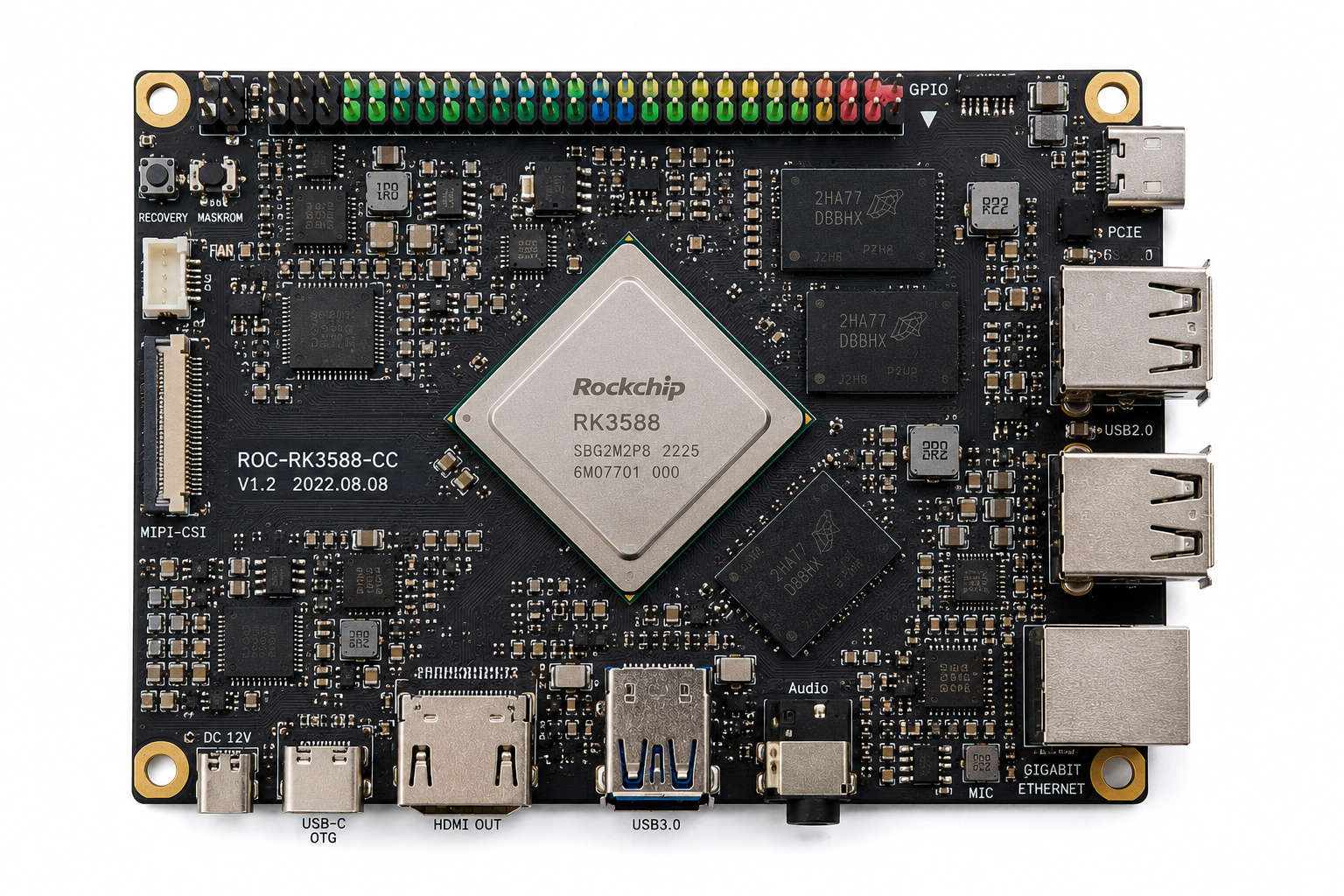
A product launch can lose months when teams begin hardware integration, camera tuning, and software bring-up from a blank page. A rockchip rk3588 reference design gives engineering teams a working starting point, helping them test system assumptions earlier and focus custom work on the product’s actual requirements. Review the specs and AI workload together so early decisions reflect the intended deployment.
Speed does not come from skipping engineering review; it comes from replacing avoidable setup with evidence. A disciplined comparison between a reference platform and the planned product can expose interface, thermal, and mechanical gaps before tooling begins. For a 2026 launch, teams can use that evidence to set realistic integration milestones, assign owners, and reserve time for product-specific validation.
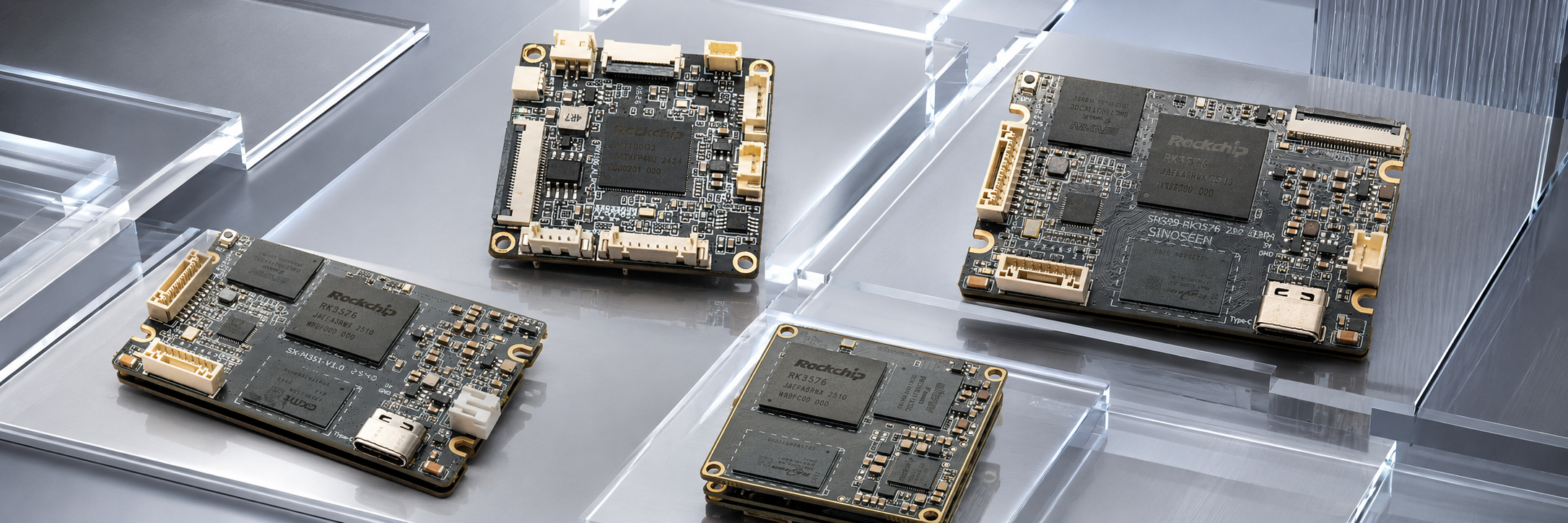
Begin with the product brief, not a board feature list. Define camera count, sensor type, frame rate, available power, enclosure limits, operating conditions, and required output interfaces. Then review the specs against those needs. This keeps the team from treating every supported capability as essential and clarifies which functions must be proven before the design can move forward.
For vision products, confirm that sensor connections, synchronization, and data paths fit the intended workflow. An AI use case also needs a defined model, input size, and response target; simply identifying an accelerator does not prove the full pipeline is suitable. Record open questions beside each requirement so hardware, software, and product teams can resolve them together.
A useful comparison examines the reference design and the target product at subsystem level. Check connector locations, camera routing, storage, networking, power delivery, and expansion options. The goal is not to copy a board unchanged, but to identify reusable portions and mismatches while changes remain inexpensive. Documenting these findings turns an informal review into actionable engineering work.
Assign each mismatch an owner, a verification method, and a decision date. If the chosen sensors or enclosure differ, schedule a focused test rather than assuming the reference configuration transfers directly. A 2026 release plan benefits from this early gap review because unresolved interface questions otherwise tend to surface during mechanical layout or system validation.
After selecting a suitable platform, divide bring-up into visible workstreams. Hardware engineers can verify power rails, clocks, camera links, and thermal behavior while software engineers prepare the operating environment, drivers, and application pipeline. Maintain a shared test record that ties each result to a board revision and software build. This makes the specs verifiable rather than merely descriptive.
Start with a minimum end-to-end path: acquire an image, move data through the intended processing stages, and produce the required output. Add AI inference only after the capture and transport path is stable, then measure behavior under representative conditions. This sequence helps isolate whether a failure comes from a sensor, interface, driver, model, or system resource constraint.
Set clear pass conditions before running tests. For example, define acceptable image quality, sustained operation, startup behavior, and performance under the planned workload. A comparison across test runs is meaningful only when the configuration and measurement method remain consistent. Keep the results concise, note environmental conditions, and connect every failed check to a corrective action.
Review test evidence in regular design checkpoints rather than waiting for a complete prototype. If a thermal or bandwidth limit appears, the team can revisit sensor selection, enclosure airflow, or processing choices while alternatives remain open. A 2026 schedule becomes more dependable when these decisions are made from measured behavior and recorded assumptions instead of optimistic estimates.
Create a boundary between what the reference design already demonstrates and what the product still must prove. Reuse can include known interface behavior or an established software baseline, while custom work may include sensor tuning, enclosure design, compliance preparation, and production test development. Review the specs at each boundary so inherited assumptions do not become hidden product requirements.
For an AI-enabled device, include the complete operating chain in the plan: image capture, preprocessing, inference, output handling, and recovery from errors. Benchmark with the intended model and representative data, not a convenient demonstration alone. Record resource use and system behavior so product teams can judge whether the implementation fits its power, latency, and reliability goals.
A practical launch sequence begins with requirements confirmation, proceeds through board evaluation and integration, and then moves into product-level verification. At each gate, define the evidence needed to continue. A structured comparison of expected and observed results helps teams distinguish a contained issue from a risk that could affect schedule, cost, or the user experience.
Reserve time for changes that only become visible in the final enclosure, with production-intent sensors, or under extended operation. Keep the 2026 target visible, but use milestones to show what has actually been validated and what remains uncertain. This keeps cross-functional discussions grounded and allows managers to adjust scope before late-stage engineering work accumulates.
A focused specs review identifies missing requirements and incompatible interfaces before custom design work expands. It also gives hardware and software teams shared test targets, making integration decisions faster and easier to verify.
Use the intended model and representative inputs, then test the full capture-to-output path under expected operating conditions. AI readiness depends on measured system behavior, not just the presence of processing capability.
Compare the reference configuration with product requirements, identify gaps, and assign each gap a test, owner, and decision date. For a 2026 launch, the record should show validated results alongside remaining risks.
 Hot News
2026-11-25
2026-11-18
2026-11-11
2026-11-06
2026-11-04
2026-11-01

 EN