Edge Computing in Cloud Computing Guide

Get a Free Quote

Our representative will contact you soon.
Email
Name
Company Name
Message
0/1000

edge computing in cloud computing

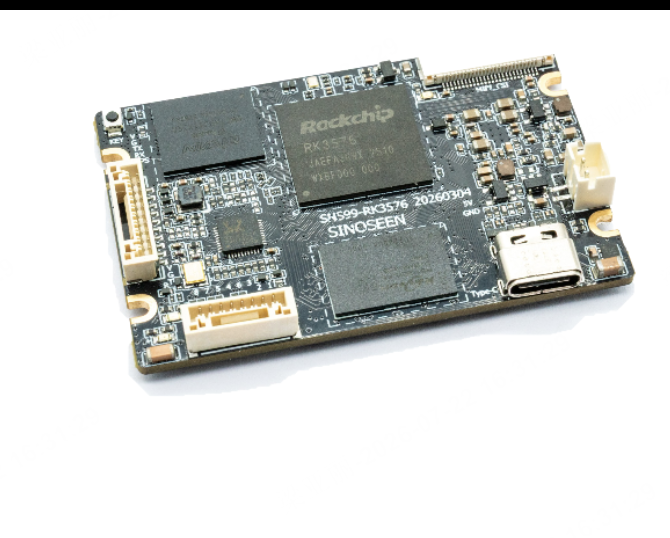
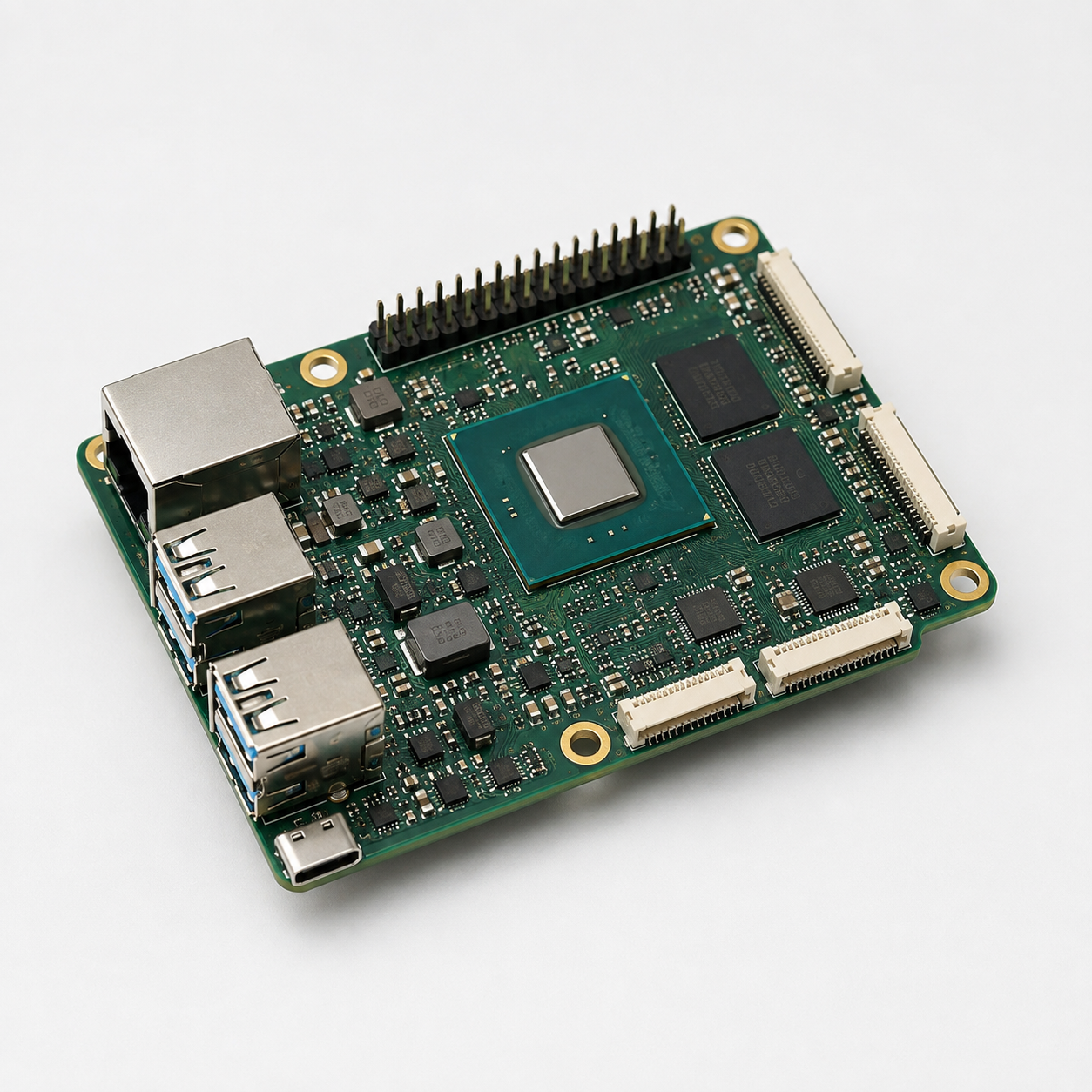
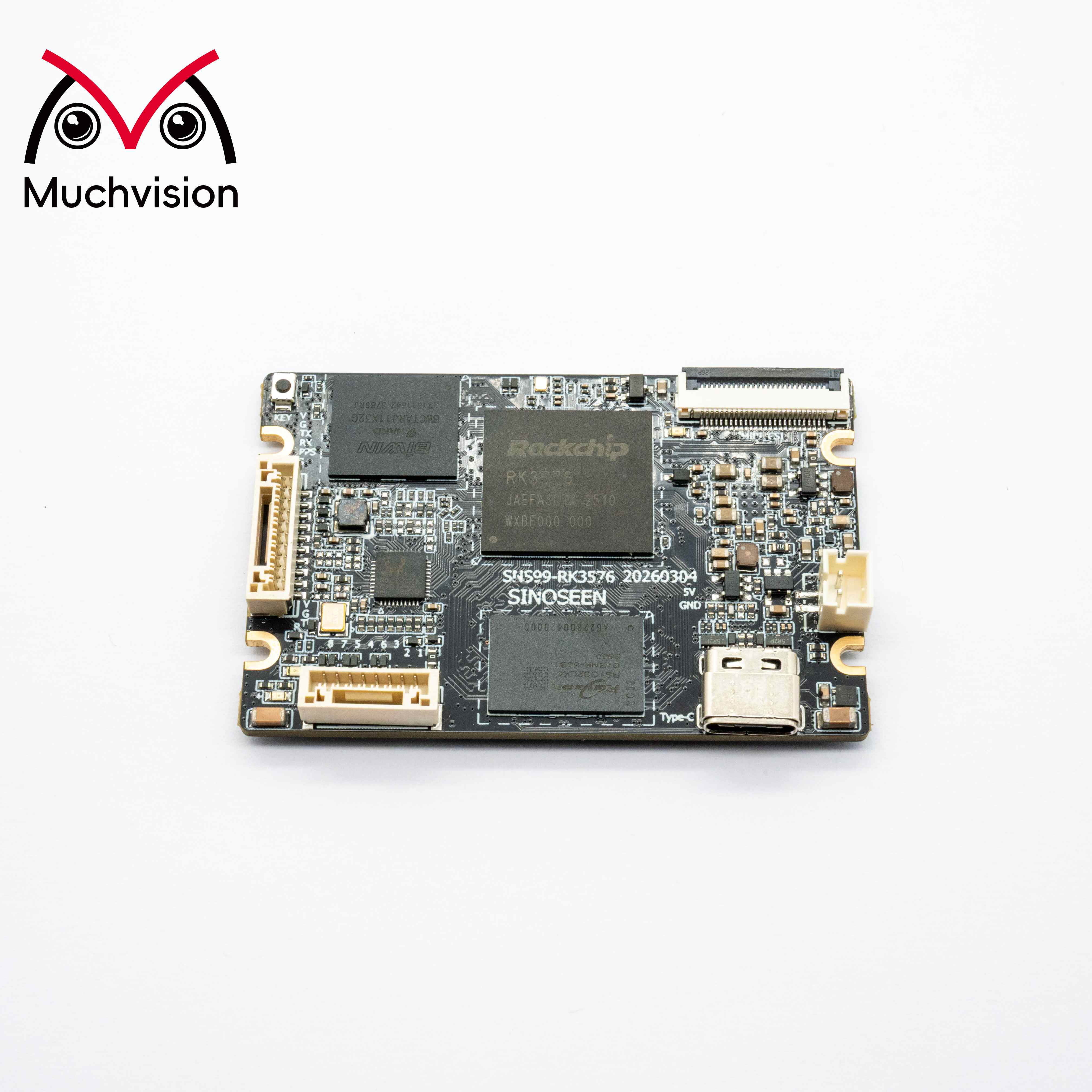
Edge computing in cloud computing represents a transformative approach to data processing that brings computation closer to data sources rather than relying solely on centralized cloud servers. This distributed architecture fundamentally changes how organizations handle information workflows and real-time applications. Edge computing in cloud computing enables processing at the network's edge, reducing latency and improving response times for time-sensitive operations. The main functions of edge computing in cloud computing include local data processing, immediate decision-making, and bandwidth optimization. By processing information at edge locations, organizations minimize the distance data travels, resulting in faster insights and reduced network congestion. Edge computing in cloud computing supports real-time analytics, machine learning inference, and instant threat detection at distributed nodes. Key technological features include distributed architecture, containerization, lightweight frameworks, and seamless cloud integration. Edge computing in cloud computing utilizes fog computing principles to create a hybrid environment where edge devices work in conjunction with centralized cloud resources. Advanced networking protocols ensure smooth communication between edge nodes and cloud infrastructure. Applications span across numerous industries including smart cities, industrial IoT, healthcare monitoring, autonomous vehicles, and retail analytics. Edge computing in cloud computing enables retailers to process customer behavior data instantly, healthcare providers to monitor patients in real-time, and manufacturers to optimize production with immediate insights. Smart cities leverage this technology for traffic management, environmental monitoring, and emergency response coordination. The versatility of edge computing in cloud computing makes it essential for modern digital transformation strategies across enterprises seeking competitive advantages through faster processing and improved operational efficiency.

New Products

Edge computing in cloud computing delivers substantial practical benefits that directly address modern business challenges. Organizations experience dramatically reduced latency when processing data at edge locations rather than transmitting everything to distant cloud servers. This speed advantage proves critical for applications requiring immediate responses, such as autonomous vehicle navigation, medical device monitoring, and industrial safety systems. Operational efficiency improves significantly through edge computing in cloud computing implementation. Companies reduce bandwidth consumption by processing and filtering data locally before transmission, lowering network costs and infrastructure demands. This distributed approach also enhances system reliability—if cloud connectivity drops, edge devices continue functioning independently, preventing complete operational failures. The decision-useful product context makes edge computing in cloud computing invaluable for enterprises managing massive data volumes. Rather than overwhelming cloud infrastructure with every sensor reading or transaction, edge computing in cloud computing enables intelligent local processing that sends only relevant insights upward. This selective transmission dramatically decreases storage requirements and computational burden on central systems. For potential customers, the buyer value is compelling. Retail businesses process customer analytics instantly, improving personalization and sales. Manufacturing facilities optimize production in real-time, reducing defects and waste. Healthcare organizations monitor patient vitals continuously with immediate alerts for critical changes. Financial institutions detect fraudulent transactions milliseconds after they occur. Edge computing in cloud computing also strengthens data security and privacy compliance. Sensitive information can be processed locally rather than traveling across networks, reducing exposure risks. Organizations maintain better control over confidential data while meeting regulatory requirements more effectively. The hybrid nature of edge computing in cloud computing creates resilient, responsive, and cost-effective infrastructure that delivers competitive advantages across all industries and organizational sizes.

Tips And Tricks

Understand Bayer Pattern And Image Signal Processor In Embedded Vision

25

Jun

Understand Bayer Pattern And Image Signal Processor In Embedded Vision

View More
What are Depth-sensing Cameras? How Many Types of Depth-sensing Cameras

25

Jun

What are Depth-sensing Cameras? How Many Types of Depth-sensing Cameras

View More
GMSL2 vs Ethernet Camera: the Main Differences in Embedded Vision

25

Jun

GMSL2 vs Ethernet Camera: the Main Differences in Embedded Vision

View More

Get a Free Quote

Our representative will contact you soon.
Email
Name
Company Name
Message
0/1000

edge computing in cloud computing

Reduced Latency and Instant Response Times

Reduced Latency and Instant Response Times

Edge computing in cloud computing eliminates delays inherent in transmitting data to distant centralized servers. Processing happens immediately at the edge, enabling millisecond-level response times crucial for time-sensitive applications. This capability proves transformative for autonomous vehicles requiring split-second decision-making, medical devices demanding immediate alerts, and industrial systems preventing catastrophic failures. The reduced latency provided by edge computing in cloud computing directly translates to enhanced user experiences and improved operational safety. Financial trading platforms execute transactions faster than competitors, healthcare providers detect emergencies before they escalate, and manufacturing facilities prevent accidents through instant intervention. Companies implementing edge computing in cloud computing gain significant competitive advantages by eliminating response delays that could cost millions. The importance of immediate processing cannot be overstated—in critical scenarios, seconds matter. Edge computing in cloud computing transforms how organizations deliver real-time value to customers and stakeholders.
Cost Efficiency Through Bandwidth Optimization

Cost Efficiency Through Bandwidth Optimization

Edge computing in cloud computing dramatically reduces data transmission costs by filtering and processing information locally before sending only essential insights to cloud servers. Organizations eliminate unnecessary network traffic, substantially lowering bandwidth expenditures and cloud storage requirements. This efficiency proves particularly valuable for companies managing millions of IoT sensors or distributed devices generating continuous data streams. Edge computing in cloud computing allows selective transmission of only processed results rather than raw data, reducing network burden by up to ninety percent in many scenarios. The value extends beyond financial savings—reduced data transmission speeds up entire operations and improves system responsiveness. Manufacturing plants, retail chains, and smart city implementations particularly benefit from edge computing in cloud computing cost optimization. By processing locally, organizations make better use of existing infrastructure while avoiding expensive cloud scaling. This practical benefit directly impacts bottom-line profitability and return on investment. Edge computing in cloud computing represents intelligent resource allocation that satisfies both budget constraints and performance requirements simultaneously.
Enhanced Reliability and Autonomous Operation

Enhanced Reliability and Autonomous Operation

Edge computing in cloud computing creates resilient infrastructure capable of functioning independently when cloud connectivity becomes unavailable. Distributed processing ensures critical operations continue uninterrupted, preventing complete service failures from centralized outages. This reliability feature proves essential for mission-critical applications where downtime carries severe consequences. Hospitals require continuous patient monitoring regardless of network conditions, factories cannot halt production during cloud service interruptions, and smart cities must maintain traffic control and emergency response capabilities. Edge computing in cloud computing enables autonomous operation at distributed locations, ensuring services remain available and responsive. The hybrid architecture combines cloud benefits with edge independence, delivering optimal reliability. Organizations reduce vulnerability to single points of failure while maintaining sophisticated central analytics capabilities. Edge computing in cloud computing transforms how businesses approach system resilience and business continuity planning. Companies deploying this technology experience fewer outages, maintain customer trust through consistent service availability, and avoid costly production interruptions. The strategic advantage of reliable, autonomous operation makes edge computing in cloud computing indispensable for enterprises prioritizing continuous service delivery and operational excellence.

Get a Free Quote

Our representative will contact you soon.
Email
Name
Company Name
Message
0/1000