edge computing microsoft
Edge computing Microsoft represents a transformative approach to data processing and application delivery that brings computing power closer to data sources. Edge computing Microsoft solutions enable organizations to process information at the network's edge rather than relying solely on centralized cloud infrastructure. This architecture significantly reduces latency and bandwidth consumption by performing computations near where data originates.
Edge computing Microsoft technology integrates seamlessly with Microsoft's Azure cloud platform, creating a hybrid computing environment. The core function of edge computing Microsoft is to distribute computational tasks across multiple locations, including IoT devices, on-premises servers, and local data centers. This distributed model ensures faster response times and improved reliability for mission-critical applications.
Key technological features of edge computing Microsoft include Azure Stack Edge, which extends Azure services to edge locations, and Azure IoT Hub for device connectivity and management. Edge computing Microsoft supports real-time analytics, machine learning model deployment, and data filtering before transmission to cloud servers. The technology handles various data types, from sensor readings to video streams, enabling intelligent processing at the source.
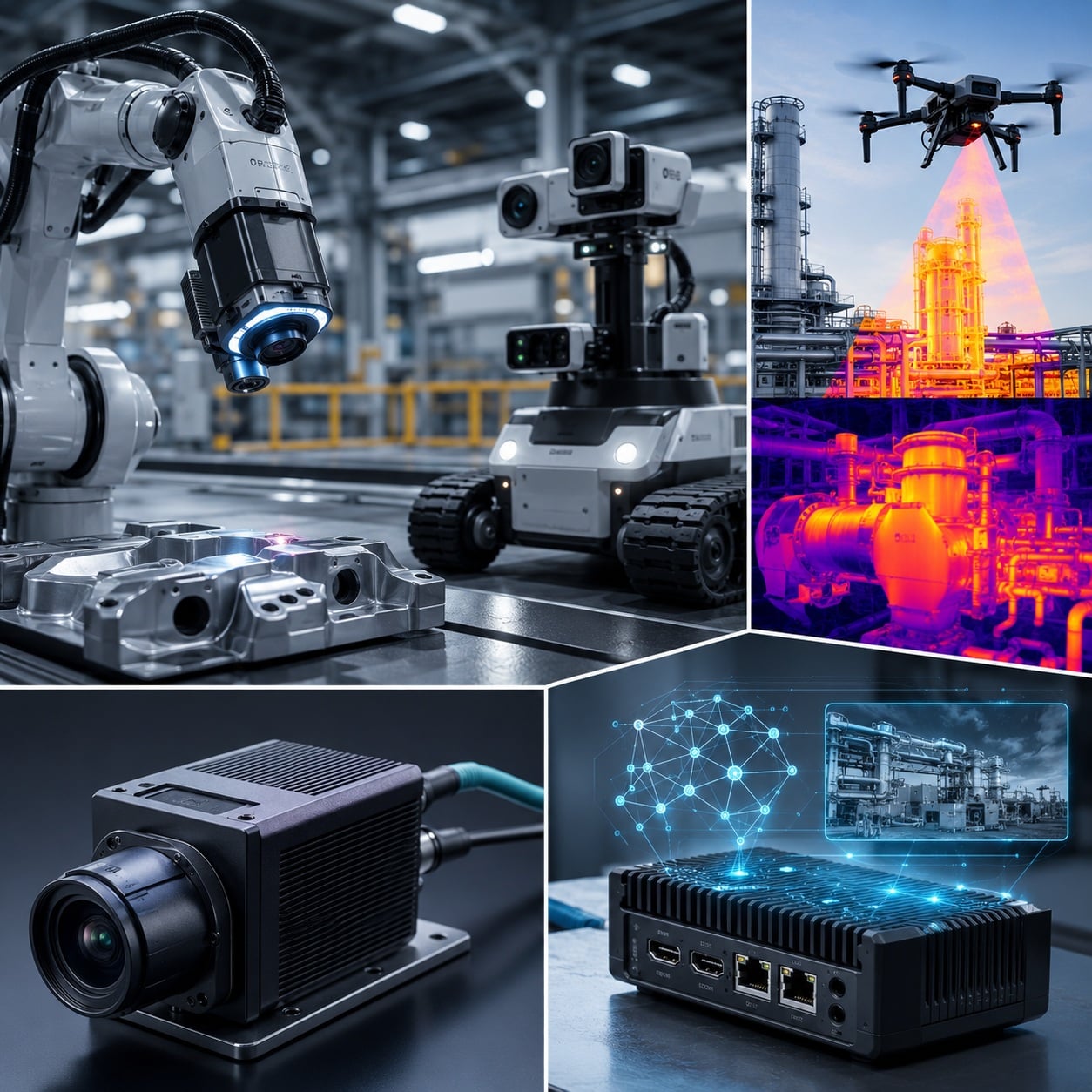
Applications of edge computing Microsoft span manufacturing, healthcare, retail, and telecommunications. In manufacturing, edge computing Microsoft optimizes production lines through real-time monitoring and predictive maintenance. Healthcare organizations leverage edge computing Microsoft for patient monitoring and diagnostic analysis. Retailers use this technology for inventory management and personalized customer experiences. Edge computing Microsoft ultimately bridges the gap between traditional IT infrastructure and modern cloud computing requirements.
 ×

 EN