 ×
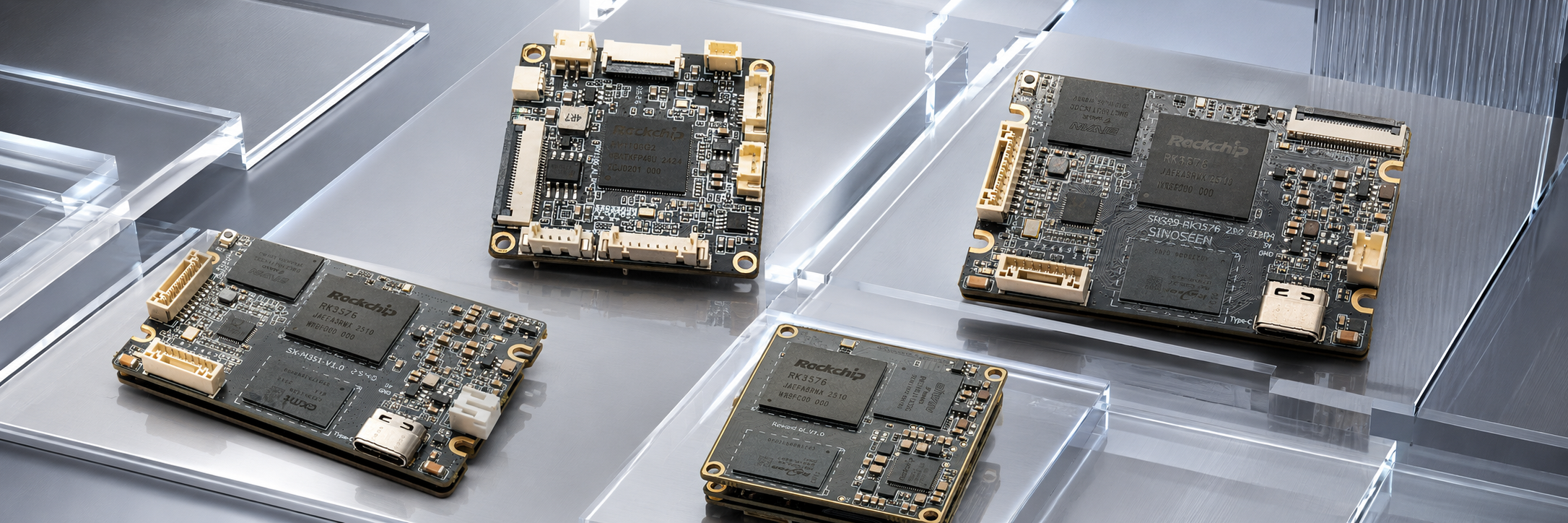
Embedded AI represents one of the most significant technological shifts in modern computing, fundamentally changing how smart devices process information and make decisions. Rather than relying on cloud-based servers or centralized processing, embedded AI enables devices to run artificial intelligence models directly on the hardware itself. This transformation has profound implications for speed, privacy, reliability, and operational efficiency across industries ranging from manufacturing and transportation to healthcare and smart cities.
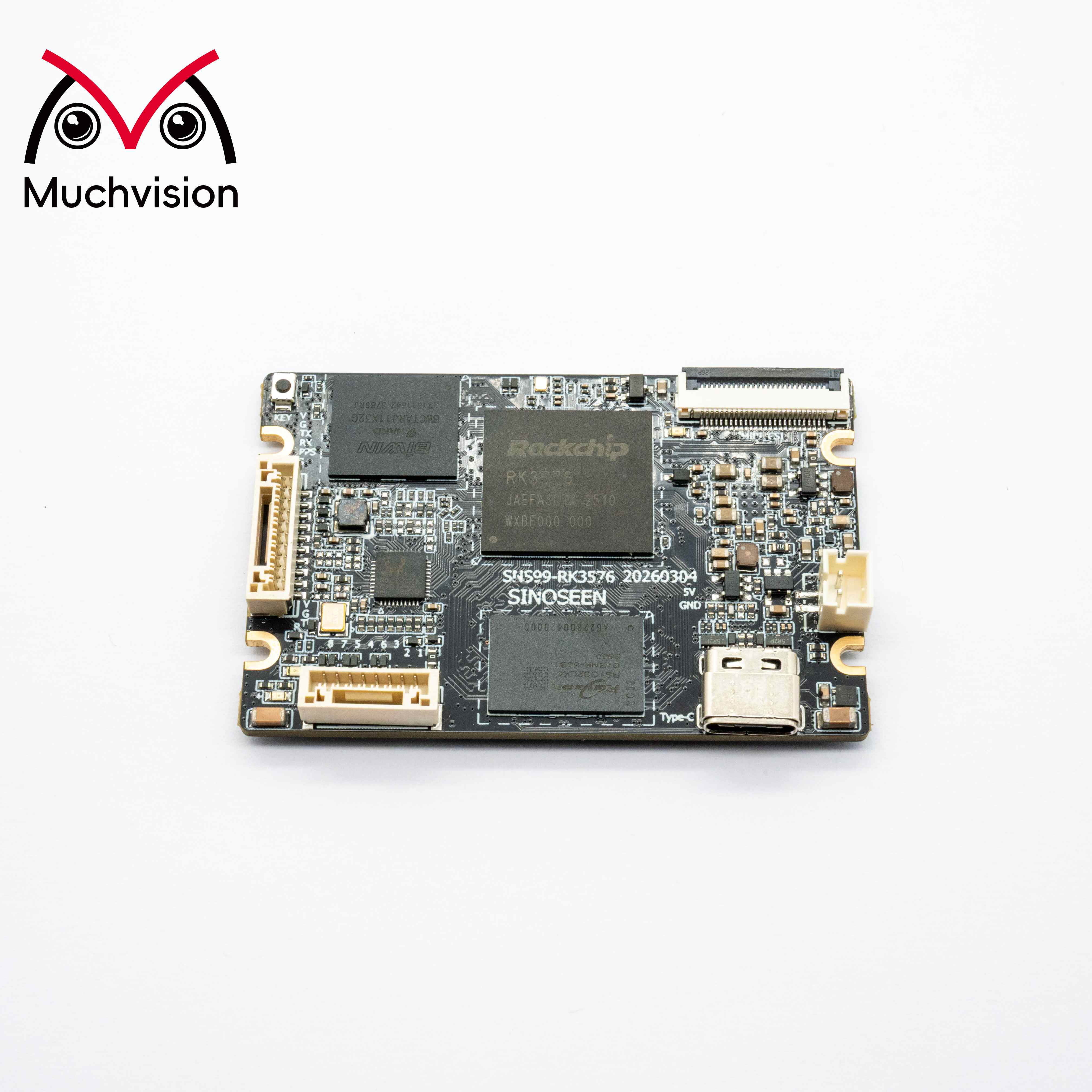
Understanding how embedded ai transforms edge capabilities requires examining the technical foundation, practical applications, and business advantages that make this technology essential for next-generation smart devices. The shift from centralized processing to distributed edge intelligence fundamentally changes system architecture, deployment models, and performance characteristics in ways that benefit developers, manufacturers, and end users alike.
Edge inference represents the most critical capability that embedded AI delivers to smart devices. Unlike traditional cloud processing, edge inference enables devices to execute machine learning models locally, producing results in milliseconds rather than seconds. This dramatic speed improvement occurs because data no longer needs to travel across networks to distant servers, eliminating latency and network dependency. Real-time inference on edge devices powers autonomous decision-making in applications where delays could compromise safety, efficiency, or user experience.
The guide to implementing edge inference begins with understanding model optimization techniques that reduce computational requirements. Quantization, pruning, and knowledge distillation allow complex neural networks to run efficiently on resource-constrained processors. These optimization methods maintain acceptable accuracy levels while dramatically reducing memory footprint and power consumption. By running inference at the edge, devices can respond immediately to environmental changes, user inputs, or system events without waiting for cloud communication or server processing.
Embedded AI enables a distributed architecture where intelligence exists throughout a network of connected devices rather than concentrated in centralized data centers. Each edge device can process information independently, make localized decisions, and collaborate with other devices through lightweight communication protocols. This architecture fundamentally improves system resilience, as device failures do not cascade into complete network outages. The guide for distributed systems emphasizes redundancy, local autonomy, and graceful degradation when connectivity drops.
This distributed model particularly benefits industrial environments where continuous operation and reliable performance are non-negotiable requirements. Manufacturing facilities, transportation systems, and critical infrastructure can maintain functionality even when central servers become temporarily unavailable. Edge devices equipped with embedded AI can detect anomalies, trigger alerts, and initiate corrective actions without waiting for authorization from remote systems. The tutorial approach to designing such systems involves careful consideration of which decisions should occur locally versus which require centralized coordination.
One of the most compelling advantages of embedded AI is the ability to process sensitive data locally without transmitting it to external servers. Personal health information, biometric data, financial transactions, and other confidential information can remain on the device, eliminating exposure during network transmission. This privacy-by-design approach addresses regulatory requirements across healthcare, finance, and consumer applications where data protection is paramount. The edge inference model ensures that sensitive processing occurs within controlled physical boundaries under the device owner's direct authority.
Security implications extend beyond data privacy to include protection against unauthorized access, network-based attacks, and man-in-the-middle threats. When critical decision-making occurs on edge devices, compromising a single device becomes substantially more difficult than attacking a centralized server that controls thousands of endpoints. Organizations implementing embedded AI can significantly reduce their attack surface and improve overall cybersecurity posture. The guide for security-conscious deployments emphasizes device-level encryption, secure boot mechanisms, and isolated processing environments.
Embedded AI delivers unprecedented responsiveness by eliminating network latency from decision-making cycles. Applications requiring sub-100-millisecond response times, such as autonomous vehicle systems, robotic control, and real-time monitoring, depend fundamentally on edge inference capabilities. This tutorial principle applies across consumer and industrial contexts: faster local processing enables better user experiences and safer automated operations. The performance gains extend beyond speed to include more consistent, predictable response times that enable reliable automation.
Power efficiency represents another critical performance advantage that embedded AI brings to edge devices. By running optimized models locally rather than maintaining constant connectivity to remote servers, devices consume significantly less energy and can operate longer on battery power. This guide consideration becomes increasingly important for mobile devices, remote sensors, and applications where power availability is limited. The efficiency gains make previously impractical use cases viable, enabling AI capabilities in resource-constrained environments.
Manufacturing facilities leverage embedded AI in edge devices for predictive maintenance, quality control, and production optimization. Computer vision systems running inference directly on factory floor devices can detect defects in real time, automatically stopping production when necessary to prevent waste. The tutorial approach involves deploying models at the point of sensing, eliminating delays inherent in cloud processing. Real-time edge inference enables manufacturers to maintain continuous production flow while achieving higher quality standards and reducing scrap rates substantially.
Transportation and logistics industries benefit significantly from embedded AI deployed across vehicle fleets and logistical infrastructure. Embedded systems can monitor driver behavior, vehicle performance, and route optimization while continuously processing sensor data from cameras, GPS, and diagnostic systems. The guide for fleet management emphasizes how edge inference enables predictive alerts about maintenance needs, unsafe driving patterns, and fuel inefficiency before problems escalate. This capability transforms reactive maintenance into proactive optimization, reducing downtime and operational costs dramatically.
Successful embedded AI implementation requires understanding the tutorial fundamentals of model selection, hardware compatibility, and development workflows. Developers must select frameworks and tools that support model optimization for their target hardware platforms. The guide for deployment planning includes thorough testing in actual operating environments, validation of inference accuracy under real-world conditions, and establishing maintenance procedures for model updates. Edge device deployments often involve significant numbers of units in distributed locations, making robust deployment procedures essential.
Organizations implementing embedded AI must establish clear governance around which models run where, how updates are distributed, and what monitoring occurs across their edge infrastructure. The tutorial approach to operations emphasizes comprehensive logging, performance monitoring, and alert systems that identify problems before they impact business outcomes. Building monitoring and management capabilities into edge deployments ensures that systems continue operating effectively as models age, hardware evolves, and environmental conditions change.
Embedded AI excels at pattern recognition, anomaly detection, classification, and real-time decision-making tasks where latency matters critically. Image recognition, sensor data analysis, predictive diagnostics, and rule-based automation represent ideal use cases for edge inference. The guide principle holds that tasks requiring immediate response and operating on structured data benefit most from embedded AI approaches. Complex reasoning, multi-modal analysis requiring significant compute resources, and tasks where ultimate accuracy matters more than speed may still benefit from hybrid approaches combining edge and cloud processing.
The fundamental difference lies in processing location and latency implications. Embedded AI runs models directly on edge devices, enabling sub-second response times and operation without network connectivity. Cloud-based processing offers greater computational resources but introduces network latency, dependency on connectivity, and potential privacy concerns around data transmission. The tutorial comparison shows that embedded AI sacrifices raw processing power for gaining responsiveness, privacy, and autonomy. Organizations often adopt hybrid approaches where edge devices handle urgent local decisions while sending data to cloud systems for deeper analysis and model retraining.
Model optimization, hardware selection, and skilled development resources represent the primary challenges in embedded AI implementation. Developers must possess expertise in model compression techniques, embedded systems programming, and specific hardware platforms. The guide for overcoming these challenges emphasizes collaboration with hardware manufacturers, utilization of optimized software frameworks, and investment in developer training. Managing deployments across potentially thousands of edge devices and maintaining consistency while enabling local model updates requires sophisticated operations capabilities that many organizations must develop from scratch.
 Hot News
2026-10-24
2026-10-20
2026-10-19
2026-10-16
2026-10-12
2026-10-08

 EN