 ×
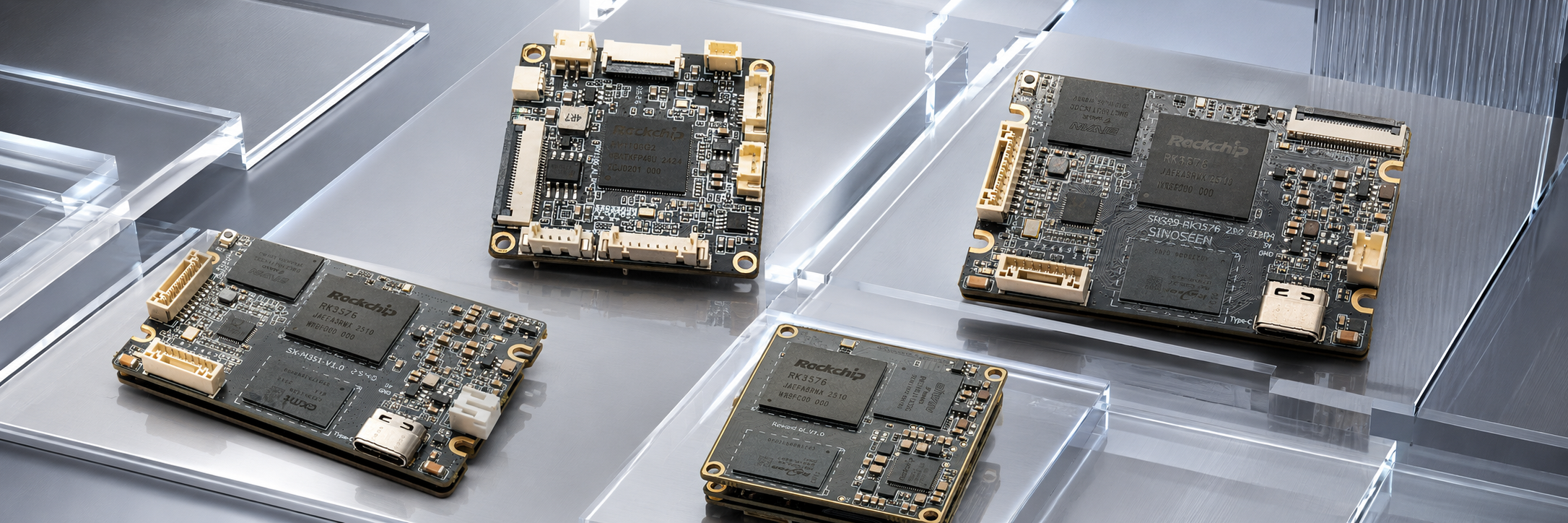
The shift toward embedded AI represents a fundamental change in how organizations process and act on data. Unlike cloud-based AI processing, which relies on transmitting data to remote servers, embedded ai runs directly on edge devices, delivering real-time insights without the latency and dependency challenges of centralized cloud infrastructure. This architectural difference creates significant advantages across performance, reliability, cost, and security dimensions that matter deeply to industrial and enterprise decision-makers.
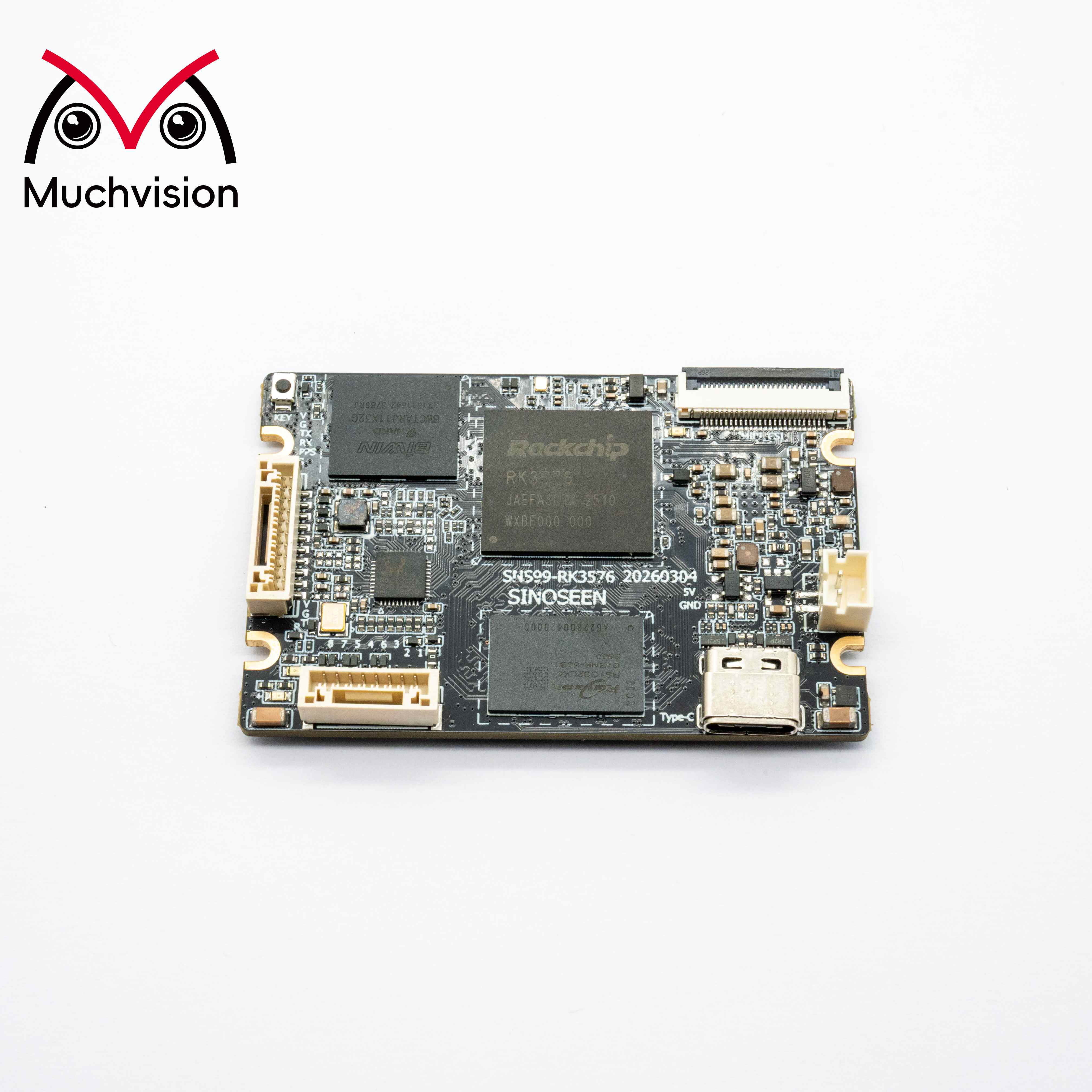
Organizations today face mounting pressure to make faster decisions while managing bandwidth constraints, network downtime risks, and privacy regulations. Embedded AI addresses these pain points by enabling on-device inference at the edge, where data originates. This guide explores the concrete advantages that make embedded AI architectures compelling for manufacturing, robotics, autonomous systems, healthcare devices, and retail applications where speed and reliability directly impact operational outcomes.
The most tangible advantage of embedded AI is elimination of round-trip network latency. Cloud-based inference requires sending raw data or video streams to distant data centers, waiting for processing, and receiving results back—a cycle that introduces delays measured in hundreds of milliseconds to seconds. For edge inference tasks, processing happens instantly on local hardware, enabling responses in tens of milliseconds or less. This speed differential becomes mission-critical in autonomous vehicles making split-second steering decisions, industrial robots detecting defects in real-time on production lines, or medical devices requiring immediate diagnostics.
Embedded AI systems running inference locally eliminate the network handshake entirely. A surveillance camera analyzing video feeds can detect anomalies frame-by-frame without cloud dependencies. A manufacturing sensor can trigger equipment shutdowns in milliseconds when quality issues are detected. This responsiveness transforms what organizations can achieve operationally—enabling safer, more efficient, and more autonomous systems.
Cloud infrastructure assumes reliable, high-bandwidth connectivity. In field environments, remote facilities, or areas with intermittent network coverage, this assumption fails. Embedded AI processes data locally, continuing to deliver inference regardless of network availability. Industrial edge devices deployed in warehouses, manufacturing floors, or outdoor installations maintain full analytical capability even when internet connectivity degrades or becomes unavailable. This independence from cloud uptime guarantees operational resilience that cloud-only approaches cannot match.
Embedded AI fundamentally changes data handling by keeping sensitive information on local hardware instead of transmitting it to external cloud servers. Healthcare organizations processing patient records, financial institutions analyzing transaction data, or manufacturers protecting proprietary production metrics all face regulatory and competitive pressures to minimize data exposure. Embedded inference eliminates the attack surface created by data transit and cloud storage. Video feeds from security cameras, biometric data from access systems, or industrial sensor readings never leave the device where they are captured and processed.
This approach directly addresses compliance requirements under regulations like GDPR, HIPAA, and industry-specific data residency mandates. Organizations can demonstrate that personal or sensitive data remains within their physical control, strengthening their compliance posture and reducing legal exposure. The privacy advantages extend beyond regulation—they build customer trust and protect proprietary insights that competitors could extract if data transited through cloud services.
Every data transmission represents a potential compromise point. Embedded AI systems that perform inference locally reduce the number of network connections required, lowering the attack surface. While cloud backends often represent high-value targets due to the volume of data they contain, edge devices running embedded models are individually smaller targets. A breach of one edge device affects only that specific installation, not an entire customer database. This architecture aligns with defense-in-depth principles by distributing intelligence and processing across many local nodes rather than concentrating critical functions in centralized cloud infrastructure.
Cloud-based AI processing requires continuous data streaming to remote data centers. For applications involving video analysis, sensor networks, or high-frequency data collection, this creates substantial bandwidth consumption and associated costs. Embedded AI processes data locally, sending only relevant results or alerts upstream instead of raw data streams. A guide to edge deployment strategies shows that organizations can reduce cloud data transfer costs by 80 to 95 percent by shifting inference to edge devices. This economic advantage compounds across deployments with hundreds or thousands of devices, making embedded architectures significantly cheaper to operate at scale.
The cost benefit extends beyond bandwidth. Since embedded systems process data locally, they require far less cloud compute resources. Organizations can downsize their cloud infrastructure or redirect those resources to higher-value analytics and storage functions. This optimization makes the overall system architecture more cost-effective while improving responsiveness.
Embedded AI systems reduce dependency on cloud infrastructure, lowering operational complexity and support overhead. Organizations manage edge hardware directly without scaling cloud resources elastically to handle variable inference loads. This predictability simplifies capacity planning and budgeting. Additionally, edge inference removes the need for continuous cloud API calls, reducing bottlenecks and the need to provision high-concurrency backend services.
Edge inference refers to running AI models directly on local devices or edge hardware rather than sending data to cloud servers for processing. Cloud-based AI processing transmits data over networks to centralized data centers where inference occurs, introducing latency, bandwidth costs, and dependency on network connectivity. Edge inference eliminates these intermediaries, enabling real-time processing with lower latency and greater reliability.
Yes, comprehensive embedded AI tutorial materials and implementation guides are increasingly available from hardware vendors, software frameworks, and industry organizations. These resources cover model optimization for edge hardware, deployment procedures, and integration patterns. Organizations can leverage these tutorial frameworks to evaluate embedded AI feasibility, understand technical requirements, and develop internal expertise needed to transition inference workloads from cloud to edge environments.
Applications requiring real-time responses, operating in environments with intermittent connectivity, processing sensitive data, or running at distributed locations benefit most from embedded AI. Examples include autonomous vehicles, industrial quality control systems, medical diagnostic devices, robotics, surveillance systems, and IoT sensor networks. Applications that tolerate higher latency, require centralized model training, or benefit from processing across multiple data sources may continue to leverage cloud-based AI architectures alongside edge systems.
 Hot News
2026-10-24
2026-10-20
2026-10-19
2026-10-16
2026-10-12
2026-10-08

 EN