 ×
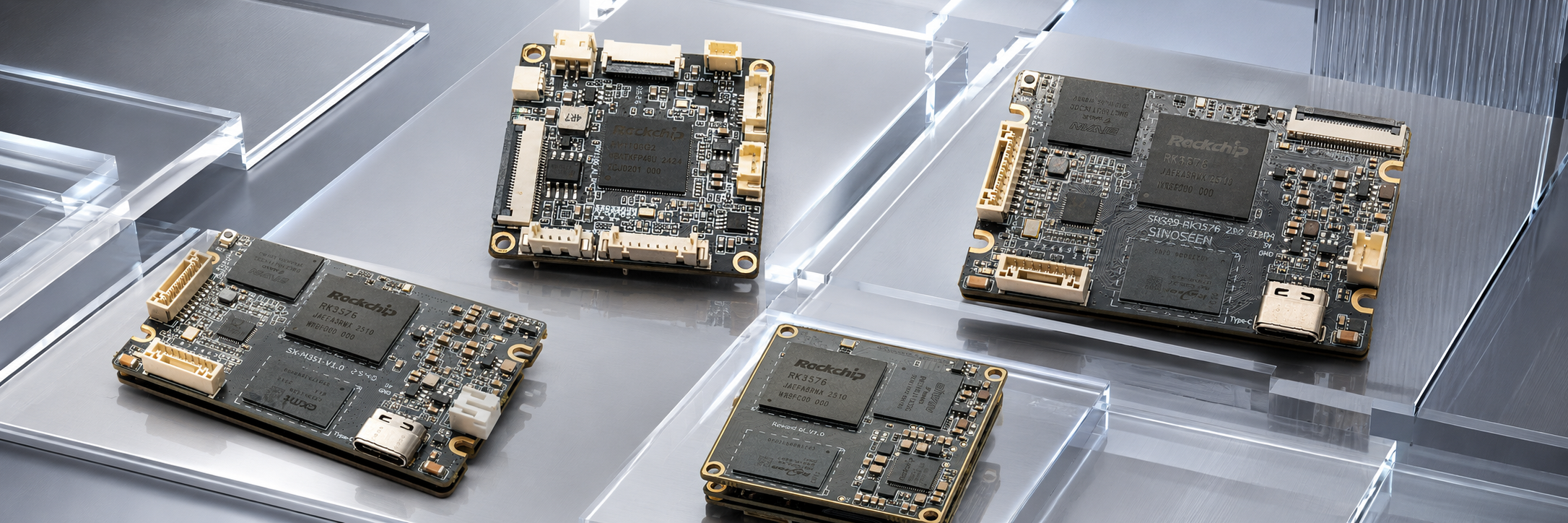
Embedded AI has emerged as a transformative force across industries, enabling intelligent decision-making directly on devices without constant cloud connectivity. Unlike traditional cloud-based AI systems, embedded AI processes data locally, reducing latency, improving privacy, and enabling autonomous operation in resource-constrained environments. Understanding the practical use cases of embedded AI is essential for organizations evaluating whether this technology aligns with their operational needs and strategic goals.
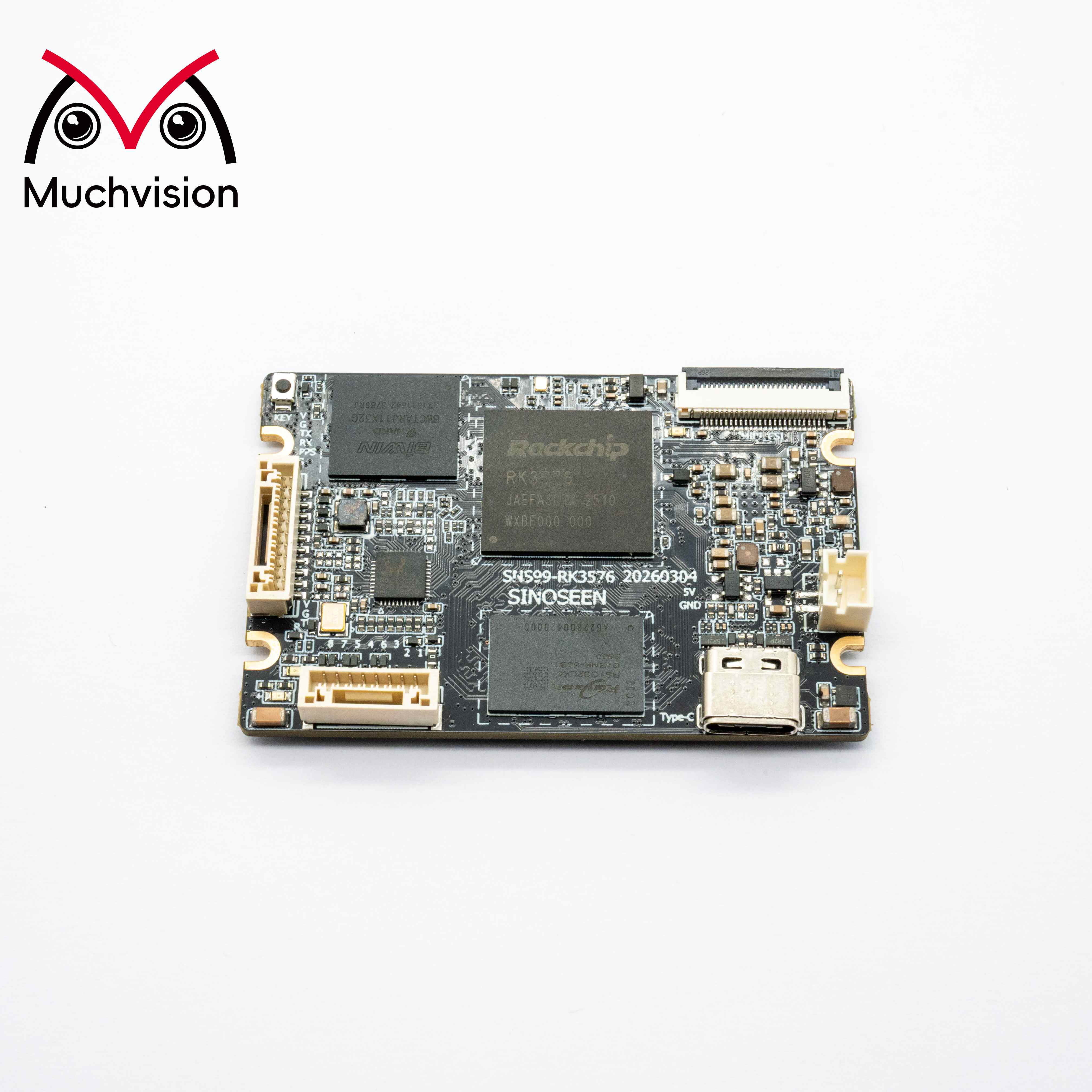
The deployment of embedded ai across manufacturing, healthcare, retail, and autonomous systems demonstrates the breadth of real-world applications. Each use case presents unique technical requirements, edge computing demands, and business value propositions that warrant careful examination through both practical examples and comprehensive guidance on implementation strategies.
Manufacturing facilities increasingly rely on embedded AI systems to monitor equipment health in real-time. Edge inference capabilities allow machines to analyze vibration, temperature, and acoustic data directly on-site, identifying potential failures before they cause production downtime. This decentralized approach to inference eliminates the latency and bandwidth constraints associated with sending raw sensor data to cloud infrastructure.
The guide to implementing predictive maintenance typically involves deploying lightweight neural network models on edge devices positioned near critical machinery. These models learn normal operational patterns and trigger alerts when anomalies emerge, enabling maintenance teams to take preventive action. The inference processing happens instantaneously at the edge, providing operators with actionable insights without cloud dependency, which proves invaluable in environments where network connectivity is unreliable.
Vision-based quality inspection represents another compelling embedded AI use case in manufacturing. Embedding AI models directly within camera systems enables real-time defect detection at production lines, automatically rejecting substandard products before they progress further. This application of edge computing and inference reduces inspection cycles from minutes to milliseconds, dramatically improving throughput and consistency.
A practical tutorial for deploying quality control systems demonstrates how to train lightweight convolutional neural networks on representative product images, then optimize these models for on-device inference. The resulting system operates independently, requiring no external processing resources or network connectivity, while maintaining detection accuracy comparable to centralized approaches. This embedded AI deployment delivers immediate ROI through reduced labor costs and improved quality metrics.
Healthcare providers increasingly embed AI algorithms into wearable devices and portable diagnostic equipment. These edge-deployed systems continuously monitor vital signs, detect arrhythmias, and generate alerts for concerning patterns, all while processing data locally to protect patient privacy. The inference capability built into medical devices enables real-time analysis without transmitting sensitive health information across networks.
A comprehensive guide to embedded AI in healthcare emphasizes the regulatory and ethical considerations alongside technical implementation. Embedded AI models must meet strict accuracy standards while operating within the computational constraints of portable devices. The tutorial approach involves validating models against clinical datasets, documenting performance metrics, and implementing fallback mechanisms to ensure device safety even when processing resources are limited.
Portable diagnostic devices increasingly incorporate embedded AI for immediate analysis of medical imaging, lab results, and symptom assessments. These devices deliver diagnostic support directly at the point of care, eliminating delays associated with sending samples to centralized laboratories. The edge inference processing enables healthcare workers in remote or resource-limited settings to access AI-driven diagnostic capabilities comparable to well-equipped medical centers.
Implementing embedded AI in diagnostic devices follows a rigorous tutorial and validation framework. Developers must optimize AI models to deliver accurate inferences while consuming minimal power and memory, critical requirements for portable medical equipment. The guide addresses model compression techniques, validation protocols, and integration with device hardware to ensure reliable performance in diverse clinical environments.
Retail environments benefit from embedded AI systems that monitor shelf conditions and manage inventory autonomously. Computer vision models deployed on edge devices analyze shelf images, detect empty spaces, identify misplaced items, and trigger restocking alerts in real-time. This application of inference at the edge reduces operational overhead while improving inventory accuracy and product availability.
The guide to implementing smart shelf solutions emphasizes the hardware selection and model optimization required for reliable edge performance. Retailers must balance computational power, power consumption, and cost to deploy cameras throughout stores. A practical tutorial demonstrates how to train lightweight vision models that accurately detect inventory conditions while operating continuously on battery-powered or low-power edge devices.
Embedded AI enables retail systems to deliver personalized customer experiences through local processing of behavioral data. In-store kiosks and displays equipped with embedded AI models analyze customer interactions, preferences, and browsing patterns to deliver customized product recommendations and promotional content. This edge-based approach protects customer privacy while improving engagement metrics and sales conversion.
Developing personalized retail experiences involves creating lightweight inference models that process customer data locally without storing information centrally. The guide addresses privacy considerations, model training approaches, and integration with existing retail systems. Retailers following this tutorial framework deploy embedded AI systems that enhance customer satisfaction while maintaining stringent data protection standards, creating competitive advantage through local, privacy-preserving AI deployment.
Autonomous vehicles, drones, and robots depend critically on embedded AI systems for real-time environmental analysis and decision-making. These systems perform inference on sensor data collected from cameras, lidar, and radar to identify obstacles, plan routes, and execute movements without cloud connectivity. The latency sensitivity of autonomous applications makes edge inference essential, as network delays could compromise safety or mission success.
A comprehensive guide to embedding AI in autonomous systems addresses hardware selection, sensor integration, and model optimization. The tutorial approach involves training perception models that accurately identify relevant objects and environmental features while running efficiently on autonomous system hardware. Developers must validate inference performance across diverse environmental conditions to ensure reliable operation in real-world deployment scenarios.
Collaborative robots increasingly incorporate embedded AI for real-time safety monitoring and human-robot interaction. Edge-deployed models continuously analyze worker proximity, detect unexpected movements, and trigger safety responses instantaneously. This embedded AI approach eliminates response delays that could result from cloud-based processing, making it suitable for safety-critical applications in manufacturing and industrial environments.
Implementing safety-critical embedded AI requires rigorous validation and testing according to industry standards. The guide emphasizes formal verification methods, redundancy mechanisms, and fallback systems to ensure device safety even under failure conditions. A practical tutorial demonstrates how to develop, test, and deploy lightweight AI models that perform continuous safety monitoring while maintaining the computational efficiency required for robotic systems with limited processing resources.
Embedded AI systems offer significantly lower latency since inference processing occurs locally without network transmission delays. They enhance privacy by processing sensitive data on-device rather than transmitting information to cloud servers. Embedded AI enables autonomous operation in environments with unreliable or unavailable network connectivity, provides reduced bandwidth requirements, and delivers cost savings by minimizing cloud processing expenses. These advantages make embedded AI particularly valuable for real-time applications, safety-critical systems, and privacy-sensitive industries like healthcare.
A structured tutorial guide walks developers through model selection, optimization techniques, hardware integration, and validation procedures specific to embedded platforms. The tutorial approach teaches practical skills for model compression, quantization, and platform-specific optimizations that enable inference on resource-constrained devices. Step-by-step guidance helps developers avoid common pitfalls, reduces development time, and ensures that deployed systems meet performance and reliability requirements. Following a comprehensive tutorial improves success rates and accelerates time-to-market for embedded AI applications.
Selection of edge hardware requires evaluating computational power, power consumption, cost, form factor, and inference performance across target AI models. The guide recommends benchmarking prospective hardware against actual model workloads to ensure satisfactory performance. Developers must balance performance requirements with deployment constraints like power availability, thermal management, and physical space. Considering total cost of ownership, scalability, and long-term vendor support ensures that edge hardware selections align with project goals and organizational IT strategies.
 Hot News
2026-10-24
2026-10-20
2026-10-19
2026-10-16
2026-10-12
2026-10-08

 EN