×
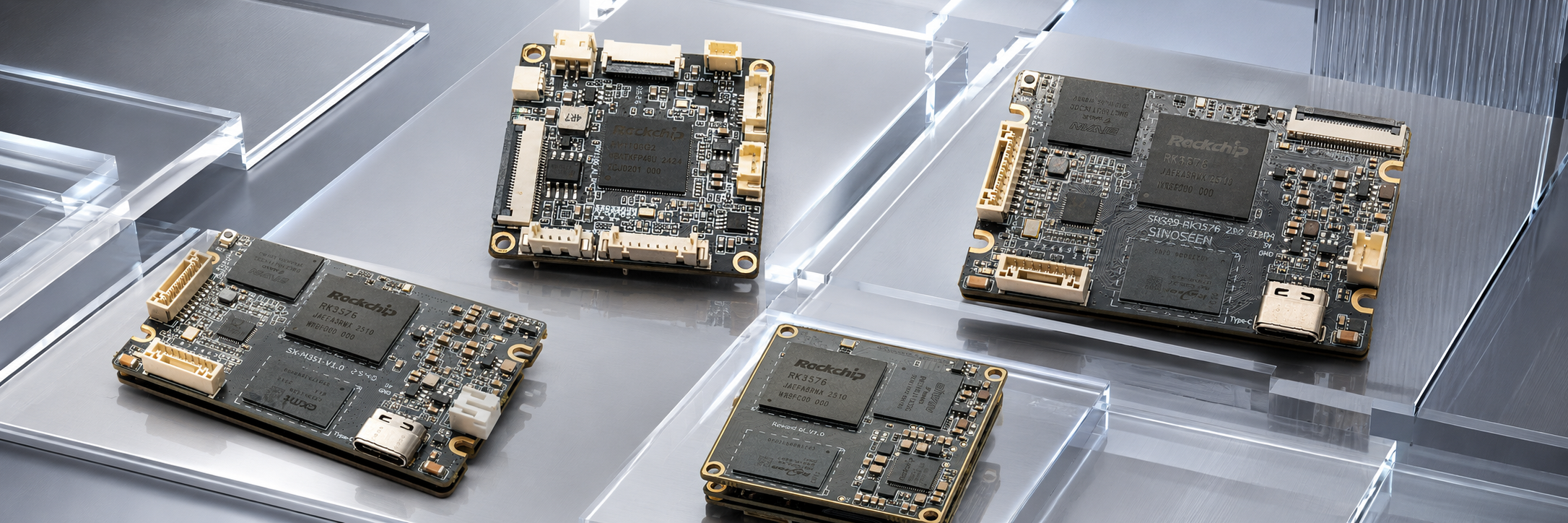
Custom industrial PCBA services have become essential across multiple sectors where reliability, performance, and precision directly impact operational success. Printed circuit board assembly is no longer a commodity service but a critical component of modern manufacturing ecosystems. Organizations spanning automotive, telecommunications, medical device production, and industrial automation all rely on specialized industrial PCBA providers to deliver components that meet exacting standards and support their core business objectives.
The demand for custom industrial PCBA services reflects how manufacturing has evolved toward specialization and outsourced expertise. Companies recognize that maintaining in-house assembly capabilities often diverts resources from core competencies. Strategic partnerships with experienced industrial PCBA manufacturers enable organizations to access advanced technologies, quality assurance protocols, and production flexibility without capital-intensive facility investments. This shift has created a vibrant ecosystem where OEM partners depend on skilled assembly providers to maintain competitive advantage.
The automotive sector represents one of the largest consumers of custom industrial PCBA services globally. Modern vehicles require sophisticated electronic control modules, infotainment systems, advanced driver assistance systems, and battery management components. Each of these applications demands manufacturing expertise that handles high-volume production while maintaining zero-defect quality standards. Automotive OEM suppliers and tier-one component manufacturers depend on industrial PCBA providers to deliver assemblies that withstand temperature extremes, vibration, moisture, and electromagnetic interference.
Quality in automotive applications goes beyond standard manufacturing metrics. Component reliability directly affects vehicle safety, regulatory compliance, and brand reputation. Industrial PCBA services for automotive must incorporate rigorous testing protocols, full traceability, and compliance with ISO 26262 functional safety standards. The guide for selecting automotive assembly partners typically emphasizes proven quality systems, statistical process control capabilities, and documented experience with high-reliability applications.
Electric vehicle production has created entirely new categories of industrial PCBA demand. Battery management systems, thermal management controllers, and power distribution modules require specialized assembly expertise that combines high-voltage component handling with precision manufacturing. OEM battery manufacturers and vehicle producers increasingly outsource these complex assemblies to industrial PCBA specialists who understand the unique thermal and electrical challenges inherent to EV applications. This guide segment highlights how manufacturing partnerships have become essential to EV market expansion.
Medical device manufacturing represents a sector where industrial PCBA quality standards are non-negotiable. Diagnostic equipment, patient monitoring systems, surgical instruments, and laboratory analyzers all depend on reliable circuit board assemblies. Healthcare organizations and medical device OEM manufacturers face regulatory requirements from agencies like the FDA that mandate complete manufacturing documentation, traceability, and validated quality processes. Industrial PCBA providers serving medical markets must maintain ISO 13485 certification and implement quality management systems specifically designed for regulated environments.
The guide for medical-grade industrial PCBA manufacturing emphasizes sterilization compatibility, biocompatibility of materials, and long-term reliability under continuous operation. Medical assemblies often operate in demanding environments where failure is not merely inconvenient but potentially dangerous. OEM device manufacturers therefore invest heavily in supplier relationships with industrial PCBA specialists who understand these unique requirements and maintain validated manufacturing processes.
Life support equipment and critical care devices represent the highest tier of industrial PCBA application requirements. Ventilators, dialysis systems, cardiac monitors, and insulin delivery systems embed circuit boards that directly impact patient outcomes. Manufacturing quality and component reliability in these applications exceed typical industrial standards. Healthcare OEM partners depend on industrial PCBA providers with demonstrated expertise in life-critical applications and rigorous quality documentation that meets regulatory scrutiny.
Telecommunications infrastructure depends entirely on reliable industrial PCBA manufacturing. Network switches, routers, base station equipment, and fiber-optic transmission systems all require circuit board assemblies built to withstand continuous operation in demanding environments. Telecom equipment manufacturers and network OEM providers cannot afford equipment failures that disrupt connectivity or service delivery. Industrial PCBA services supporting telecommunications must offer exceptional reliability, mean time between failure metrics, and manufacturing quality that ensures multi-year continuous operation.
The guide for telecommunications industrial PCBA manufacturing includes strict environmental testing, thermal cycling validation, and electromagnetic compatibility verification. Manufacturing standards in this sector emphasize redundancy, component derating, and quality metrics that exceed general industry baselines. OEM network equipment producers maintain long-term supplier relationships with industrial PCBA specialists who consistently demonstrate these elevated performance capabilities.
Data center expansion and cloud computing infrastructure have created substantial industrial PCBA manufacturing demand. Server boards, storage controllers, power management systems, and networking equipment all require assembly services from specialists who understand high-reliability, high-volume production. Data center OEM manufacturers depend on industrial PCBA providers capable of supporting rapid scaling while maintaining consistent quality. The manufacturing guide for data center applications emphasizes thermal management, power efficiency, and component availability in an era of supply chain complexity.
OEM customers require industrial PCBA providers to maintain certifications including ISO 9001 for quality management, IPC-A-610 compliance for assembly standards, and industry-specific qualifications such as ISO 13485 for medical or AS9100 for aerospace applications. Manufacturing documentation must include full traceability, statistical process control data, and validated test results. Quality metrics typically include defect rates measured in parts per million, first-pass yield percentages, and documented corrective action procedures.
Different industries impose distinct requirements on manufacturing processes and quality systems. Automotive applications demand functional safety compliance and vibration resistance, medical devices require biocompatibility and sterilization validation, while telecommunications equipment must achieve extreme reliability and mean time between failure targets. A comprehensive guide to industrial PCBA selection requires understanding these industry-specific demands and verifying that chosen manufacturers have documented experience meeting them. OEM partners should audit supplier capabilities against their specific application requirements.
Outsourcing industrial PCBA manufacturing allows OEM organizations to focus resources on design innovation and core business strategy rather than facility management and equipment maintenance. Specialized manufacturing partners invest in advanced equipment, skilled labor, and quality systems that individual companies may find difficult to justify economically. This guide recommends outsourcing when production volumes fluctuate, when manufacturing requires specialized certifications, or when capital constraints limit internal investment. Strategic partnerships with industrial PCBA providers enable faster time-to-market and greater manufacturing flexibility.
 Hot News
2026-10-24
2026-10-20
2026-10-19
2026-10-16
2026-10-12
2026-10-08

 EN