

In the fast world of embedded vision, how quickly a camera's image reaches its goal really matters. This is where low latency camera streaming comes in. It's about cutting down delays between when an image is taken and when you see or use it. For key tasks like real-time robots, self-driving cars, or remote surgery, even small delays can cause big problems. Embedded vision engineers must understand and aim for low latency. This makes systems react instantly, leading to safer, more accurate, and much better results.
What is Low Latency Camera Streaming ?And Why Is It So Important?
Low latency camera streaming means sending video data from a camera to a computer or screen very fast. There's almost no delay. This delay, often measured in tiny milliseconds, is called "latency." It includes everything: from light hitting the camera sensor to the picture showing up or being used. It's super important because many new embedded vision jobs need instant feedback. If real-world actions depend on live video, a long delay can mean you miss things, lose control, or even create safety risks. Imagine a drone avoiding something; a few milliseconds of delay could cause a crash. This need for speed is a core part of modern real-time embedded systems.
How Does Low Latency Camera Streaming Actually Work?
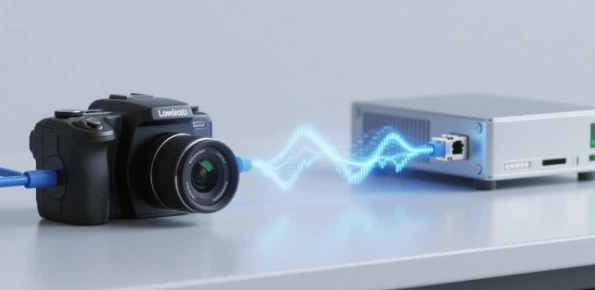
To get truly low latency camera streaming, you have to make every step in the imaging path very efficient. It begins when the camera sensor captures light. Then, that data quickly moves through the camera's own processing. This includes things like reading pixels and compressing the image. Next, the compressed video parts are sent fast over a network. Finally, the device on the other end processes and shows them. Every single step must be efficient. The main goal is to make processing, sending, and showing times as short as possible. This full-system approach ensures visual information flows super quickly from start to finish. This is vital for any responsive vision processing unit.
Factors Affecting Low Latency Video Streaming Protocols
Many things can cause delays in how a camera stream works. Knowing these causes is key to getting the best performance when using low latency video streaming protocols.
1. Image Sensor Characteristics: The Speed Foundation
The kind of image sensor and how fast it works are huge. Global shutter sensors capture the whole scene at once. They usually have less delay than rolling shutter sensors. Rolling shutters read data line by line, which can cause delays, especially with fast-moving objects. Also, cameras that read pixels faster deliver data quicker. This directly lowers the overall delay.
2. Image Processing Pipeline: Making In-Camera Work Faster
Processing images inside the camera, like cleaning up noise or fixing colors, adds small delays. These steps make the image better, but they take time. Moving some of this heavy work to a separate GPU or special hardware can help. A common trick is to do less complex processing directly inside the camera to speed things up.
3. Data Interface and Network Bandwidth: The Data Highway
The link between the camera and the main computer is super important. Fast connections like GigE Vision, USB3 Vision, and MIPI CSI-2 are made for quick data transfer. Network speed (bandwidth) also really matters for low latency video streaming protocols. A slow or busy network can cause big delays as video pieces wait to be sent. Often, you need dedicated, fast connections for demanding tasks.

4. Video Compression and Encoding: The Compression Trade-off
Compressing video makes files smaller. This helps them send faster. But compressing itself takes time and adds delay. Video that's squeezed a lot might need less network space, but it takes longer to get ready and then undo that squeeze. Picking the right video format (like H.264, H.265, or special low-delay ones) means finding a balance. You weigh image quality, how well it squeezes, and the final delay. For truly ultra low latency video streaming, often you'll use very little compression or special hardware to speed up the video prep.
Top Embedded Vision Applications That Need Ultra Low Latency Camera Streaming
Many new embedded vision uses just can't work without almost no delay in their camera feeds. An ultra low latency camera is a must-have part for these systems.
Autonomous Vehicles and Robotics: Split-Second Decisions
For self-driving cars, smart robots, and drones, decisions must happen instantly based on live pictures. Even a small 50-millisecond delay can be the difference between missing an obstacle and crashing. Ultra low latency camera feeds are the core. They let these systems spot objects, plan paths, and avoid things right away. This directly affects safety and how well they work. A 2024 report by AutoVision Insights says that for top-level self-driving cars (Level 4), critical functions often need delays under 30ms. This shows how crucial speed is.
Remote Surgery and Teleoperation: Precision at a Distance
In remote surgery, doctors control robot arms from far away, relying on camera views. A long delay here is simply not okay. It could cause dangerous moves or a lack of accuracy. Same for controlling machines in risky places. Operators need instant visual feedback to stay safe. Low latency camera streaming is key for precise control and making the operator feel like they are truly there. It's a basic part of good human-robot interaction.
Industrial Automation and Quality Control: Boosting Throughput
Fast production lines demand instant feedback for checking quality. A system looking for flaws on a moving belt needs to see the product and react right away. Delays mean missed flaws or wrong sorting, which causes waste. Low latency video streaming protocols ensure flaws are found and handled instantly. This stops bad products from moving further down the line. It boosts efficiency and product quality. Manufacturing Automation Review's 2023 study found that cutting visual inspection delay by just 20ms can raise production speed by 5-8% in fast assembly lines.
Augmented Reality (AR) and Virtual Reality (VR): Seamless Immersion
For true AR and VR experiences, the digital world has to line up perfectly with the real world. This relies heavily on live camera feeds. Any noticeable delay between head movement and what you see in the virtual world causes motion sickness and breaks the feeling of being there. Ultra low latency camera data is vital for smooth AR/VR. It makes the virtual view seem stable and natural. This greatly improves how users feel and allows for practical AR uses in areas like repairs, training, or even dynamic robot navigation.
Summary: The Indispensable Role of Speed in Modern Vision
Low latency camera streaming is more than just a tech detail; it's a must-have for many advanced embedded vision systems. It means making every part of the system super-efficient, from the camera sensor to the final display, to cut delays. Things like sensor type, how data is processed, connection speeds, and video compression all play a huge part. For vital jobs like self-driving cars, remote surgery, factory automation, and AR/VR, ultra low latency camera feeds aren't just nice to have. They're essential for safety, accuracy, and how well the whole system works. The future of smart systems truly depends on their ability to see and react in an instant.
Muchvision:Achieve Real-Time Precision with Our Low Latency Solutions
Does your embedded vision project demand instant reaction? Check out our special camera modules and optimized streaming solutions. They're built for low latency camera streaming. Contact our experts today. We'll make sure your system can see, process, and act with the speed and accuracy your important jobs need. Let's make every millisecond count for your success.


