

Introduction
In today's fast-paced urban environments, smart traffic management systems are not just a luxury-they are a necessity. With increased traffic congestion, overcrowding, and a rise in fatal accidents, cities demand coordinated traffic management solutions. At the heart of these systems are intelligent cameras that capture and analyze real-time data, aiding in traffic flow optimization, law enforcement, and enhancing road safety. This article explores how to choose the right camera solution for smart traffic management, delving into the key features and considerations that make these systems effective.
Why Cameras Are Essential in Smart Traffic Management
Real-Time Monitoring and Data Collection
Smart traffic systems leverage camera solutions to empower cities to handle major traffic challenges. Cameras provide real-time footage of roadways, allowing authorities to monitor traffic flow, detect incidents, and manage congestion. This continuous monitoring facilitates data-driven decisions to improve traffic conditions and enhance safety.
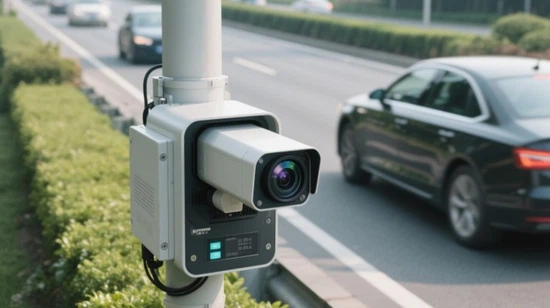
Key Applications of Cameras in Intelligent Transport Systems (ITS)
Automatic License Plate Recognition (ALPR): Cameras are crucial for identifying vehicles violating traffic regulations, aiding in law enforcement and parking management.
Traffic Monitoring: High-resolution cameras help in detailed analysis of traffic flow patterns, optimizing signal timing at intersections.
Pedestrian Detection: Advanced cameras with night vision capabilities ensure pedestrian safety by capturing clear images in low-light conditions.
Incident Detection: Cameras equipped with high dynamic range (HDR) capture clear images in varying lighting conditions, essential for accurate surveillance and analytics.
How to Choose the Right Camera for Smart Traffic Management
Selecting the right camera solution involves considering various factors that align with specific ITS applications. Here are the key criteria to guide your decision:
1. Resolution and Sensor Size
High-resolution cameras with 4K or higher capabilities offer superior image quality, crucial for detailed monitoring and analysis. The sensor size also plays a vital role; larger sensors capture more light, providing better image clarity and reducing motion blur.Article about resolution.
Example: The Tennessee Department of Transportation utilizes 4K cameras with large sensors to cover wide fields of view at highway intersections, ensuring detailed image capture.
2. High Dynamic Range (HDR)
HDR cameras are essential for capturing images in scenes with contrasting lighting conditions, such as tunnels or parking lots. They blend multiple exposures to prevent underexposure or overexposure, ensuring clear and balanced images.
Recommendation: Deploy HDR cameras in outdoor traffic management systems to handle varied lighting conditions effectively.
3. Shutter Type and Frame Rate
Choosing between global and rolling shutter cameras depends on the application's needs. Global shutter cameras capture all pixels simultaneously, eliminating distortion caused by moving objects. High frame rates reduce motion blur, crucial for capturing fast-moving vehicles.
Consideration: If resolving rolling shutter artifacts is a priority, opt for global shutter cameras. For reducing motion blur, rolling shutter cameras with high frame rates are suitable.
4. Interface
The choice of interface affects data transmission reliability. USB and MIPI are common interfaces, but for long-distance transmission, consider GMSL or FPD-Link. These interfaces require additional hardware but offer extended transmission capabilities.
Advice: Select the interface based on application requirements and cost considerations.
5. Rugged and Reliable Design
Cameras deployed in ITS must withstand harsh environmental conditions, including extreme temperatures and vibrations. Ensure the cameras are compliant with industry specifications for durability and reliability.
Example: Teledyne FLIR cameras undergo rigorous testing to ensure performance from -30 to 80 degrees Celsius, making them suitable for various ITS applications.
Integrating Smart Traffic Cameras into Urban Infrastructure
Enhancing Traffic Flow and Safety
Smart cameras are pivotal in optimizing traffic flow and enhancing safety. By providing real-time data, they enable authorities to make informed decisions, reducing congestion and improving road safety.

Supporting Law Enforcement and Compliance Monitoring
Cameras play a critical role in law enforcement by capturing violations and aiding in compliance monitoring. High-resolution and color cameras offer detailed imagery, essential for identifying infractions and ensuring adherence to regulations.
Facilitating Infrastructure Planning
By tracking vehicle types and sizes, cameras aid in road load balancing, supporting infrastructure planning and development. This data-driven approach ensures cities can accommodate growing traffic demands efficiently.
Conclusion: Making the Right Choice for Your Smart Traffic System
Choosing the right camera solution for smart traffic management is crucial for the success of intelligent transport systems. By considering factors such as resolution, HDR capabilities, shutter type, interface, and rugged design, cities can deploy effective camera solutions that enhance traffic flow, safety, and law enforcement. As urban environments continue to evolve, integrating advanced camera technology into traffic management systems will be key to creating safer and more efficient cities.
If you need to link more about the application of camera modules in intelligent transportation systems, please feel free to contact us at any time. As a leading camera module manufacturer in China, Muchvision has rich experience in the field of embedded vision and is believed to be able to offer you valuable suggestions.


