 ×
×
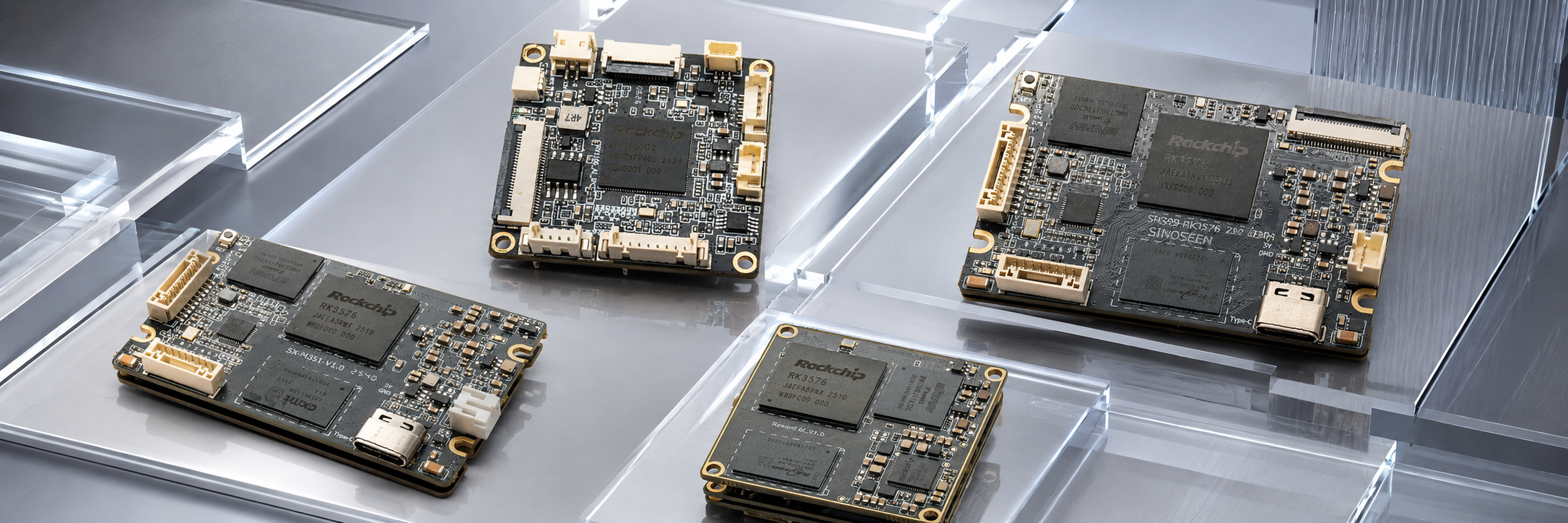
In unattended vision IoT applications powered by batteries or solar photovoltaic systems, it is difficult for devices to achieve both ultra-long standby time and real-time controllable connectivity. This is a key bottleneck limiting the large-scale deployment of outdoor environmental monitoring, general security, and unattended industrial inspection projects.
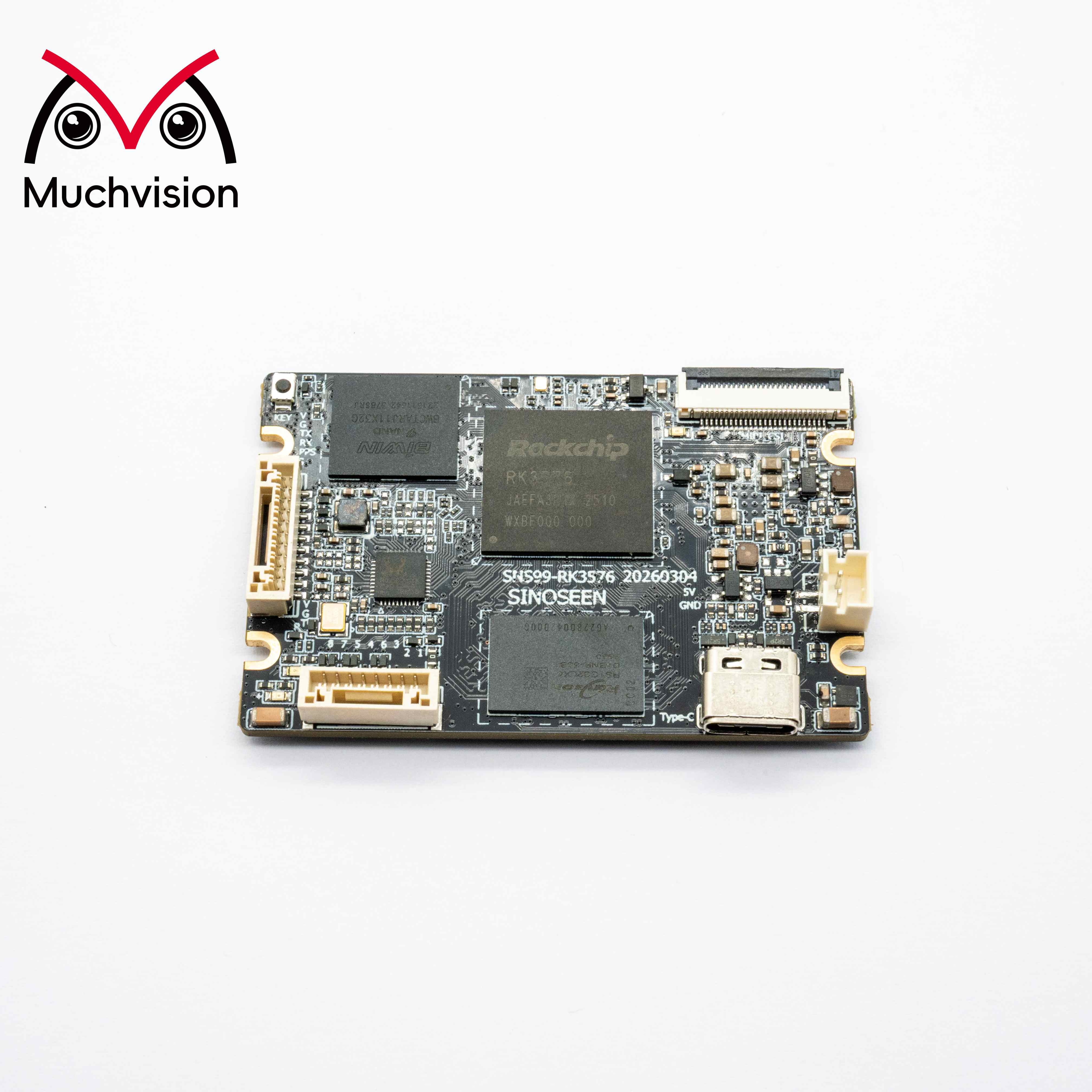
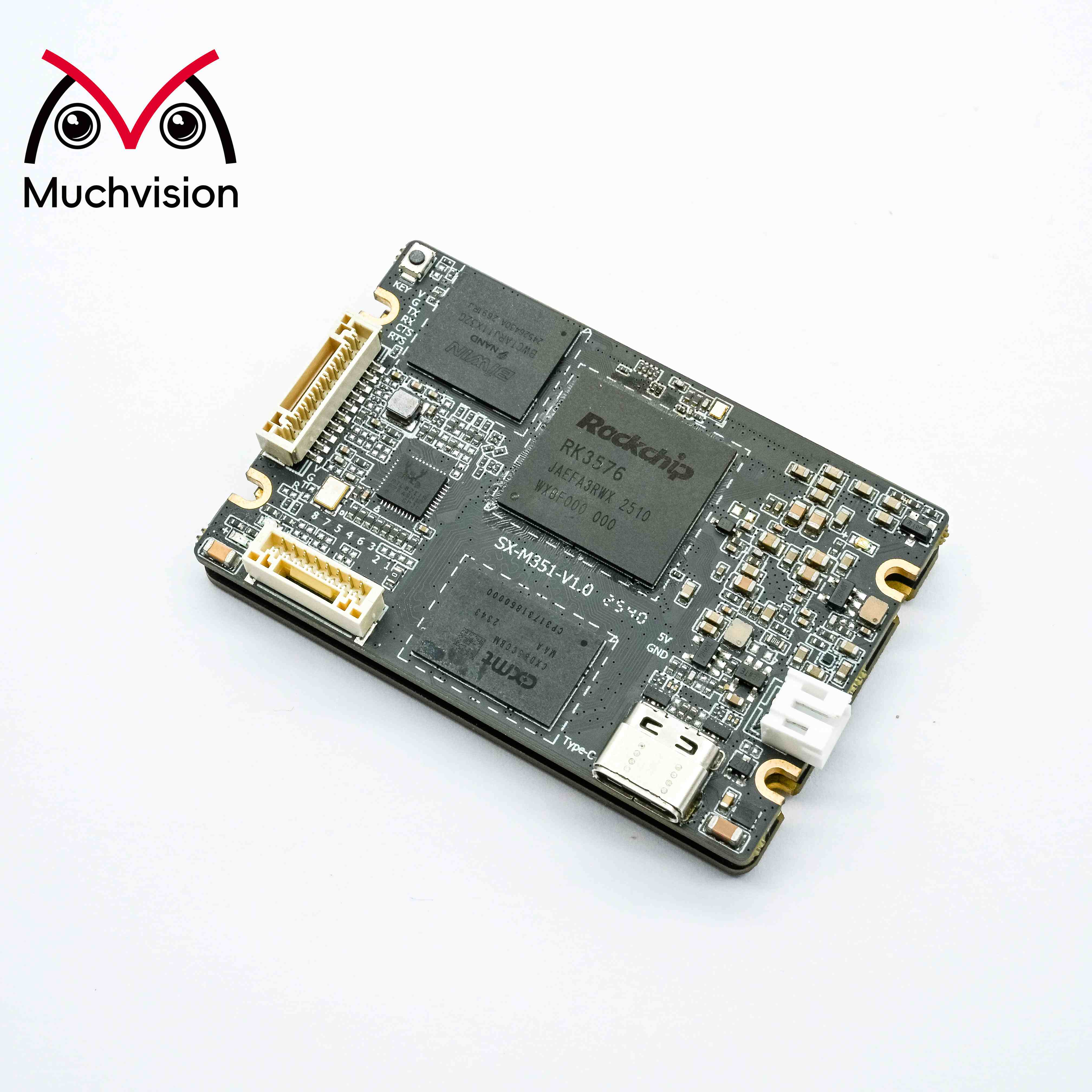
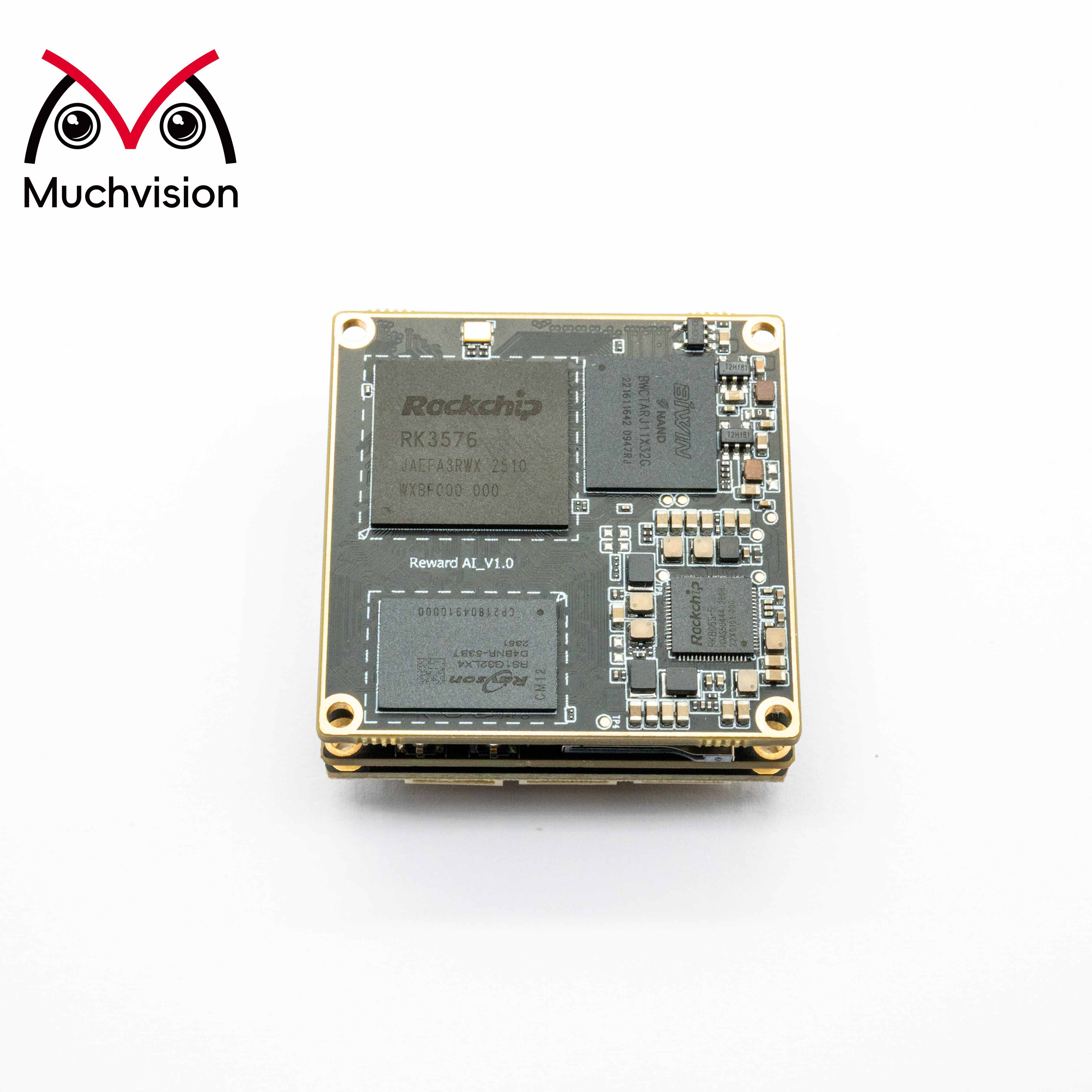
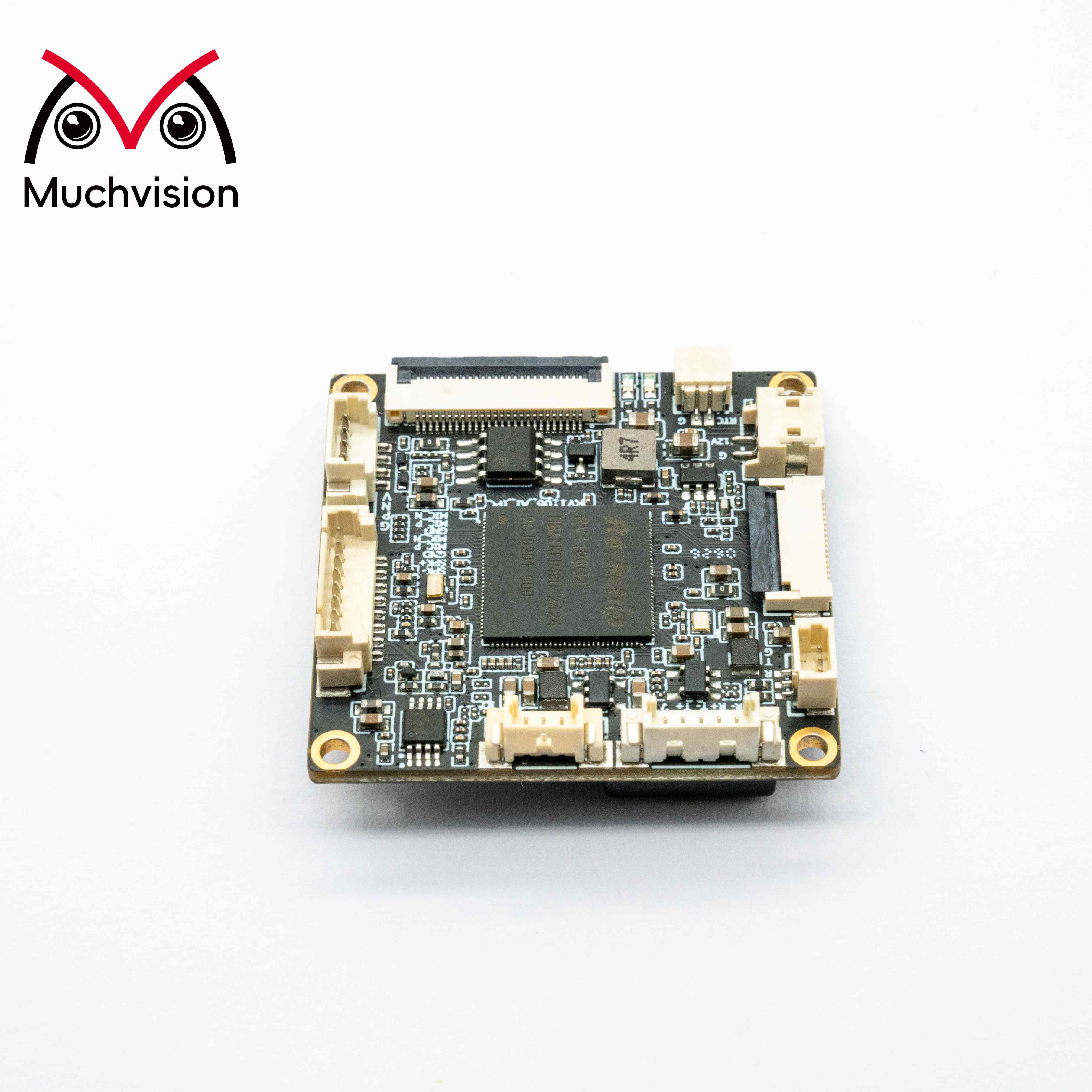
To address these industry challenges, Rockchip introduced the RV1106 series of vision-processing SoCs for AIoT vision applications. The chips integrate a CPU, NPU, ISP, and video codec engine for low-power, cost-sensitive embedded vision AI devices. Applications include battery-powered security cameras, agricultural and forestry monitoring, water-conservancy station monitoring, and unattended industrial inspection.
Functional Module |
Architecture Specifications and Performance |
Engineering Value |
CPU and MCU |
Single-core 32-bit ARM Cortex-A7 processor with NEON and FPU. It has 32KB I-Cache, 32KB D-Cache, a unified 128KB L2 cache, and an independent MCU with 16KB cache. The official manual does not specify a clock frequency; a typical SDK configuration is 1.2 GHz. Heterogeneous scheduling assigns the main application to the A7 and low-power real-time interrupts to the MCU. During sleep, the A7 can be powered down while only the MCU remains active. Performance depends on the power-domain strategy. |
Supports the AOV low-power sleep-and-wake mechanism, balancing system computing performance with battery life. |
NPU |
Hardware neural-network accelerator supporting mixed INT4, INT8, and INT16 quantization and model conversion from TensorFlow, PyTorch, Caffe, TFLite, and ONNX-NN. The theoretical peak performance is 1 TOPS. Practical performance is approximately 0.5 TOPS on RV1106G2, while RV1106G3 can deliver the full 1 TOPS. Inference performance is limited by memory capacity, bandwidth, and model size. |
Runs local edge AI for human detection, object detection, and face recognition. Hardware acceleration reduces CPU load and removes the need for cloud computing. |
ISP |
Hardware ISP with two MIPI-CSI/LVDS inputs and one DVP input, supporting up to three cameras. Image-processing functions include HDR-MGE, 3DNR/2DNR, 3A, LSC, defogging, and distortion correction. RV1106G2 supports up to 5M@30FPS. RV1106G3 and RV1106 support up to 8M@15FPS. Frame rate is constrained by bandwidth, power consumption, and the encoding path. |
Preprocesses images under complex lighting and outputs high-quality YUV streams for encoding and AI inference, reducing software image-processing load. |
VENC Video Encoder |
Hardware encoding engine supporting H.264 High Profile, H.265 Main Profile, and JPEG, with six rate-control modes and a maximum bit rate of 60 Mbps. RV1106G2 supports 5MP at 30 FPS; RV1106G3 and RV1106 support up to 8MP at 15 FPS. JPEG capture supports up to 4MP at 60 FPS, with multiple output streams. |
Hardware compression frees CPU resources for security functions such as multi-stream preview, local recording, and event capture. |
RKIVE Intelligent Video Engine |
Dedicated hardware vision-processing unit with GMM, Canny, CCL, optical-flow, filtering, and morphology operators. Motion detection and foreground segmentation run in hardware with minimal CPU use. Processing frame rate follows the ISP output limit. |
Implements scene-change detection and foreground extraction in hardware, reducing CPU overhead for image-change detection in low-power AOV operation. |
Memory Subsystem |
RV1106G2 integrates 1Gb (128MB) DDR3L in the SIP.
|
The SIP solution eliminates external DDR devices and PCB routing, reducing BOM cost. The BGA version supports multi-camera systems and advanced vision equipment running complex algorithms. |
Power Management |
Multiple isolated power domains support independent power-domain switching and multiple sleep and wake-up sources. The datasheet provides no official power figures. Engineering measurements show approximately 500 mW during full-function operation and approximately 40 mW in AOV standby. Earlier estimates of 0.8 W and 0.1 W must be replaced with measurements from the production prototype. |
Supports runtime evaluation for lithium-battery and solar-powered products and helps define power-domain switching strategies for low-power AOV operation. |
Package |
RV1106G2/G3 use a 12.3 x 12.3 mm QFN128 package with 0.35 mm pin spacing and an MSL3 rating. RV1106 uses a 14 x 11 mm BGA313 package with 0.6 mm ball spacing. QFN heat dissipation depends on complete grounding of the bottom E-PAD. BGA provides greater peripheral expansion, while QFN is compact but has less thermal headroom. |
RV1106G2/G3 suit compact products such as doorbells and small battery cameras. RV1106 targets expandable multi-camera designs. Hardware layout must provide proper grounding and heat dissipation. |
All-day operation with long standby time depends on AOV (Always on Video), multiple isolated power domains, and a fast wake-up mechanism. The hardware design must comply with the chip's absolute maximum ratings and recommended operating conditions.
AOV Mode and Multi-Level Power Scheduling: AOV combines continuous low-frame-rate capture with AI event triggering to meet the continuous monitoring requirements of battery-powered devices. During long standby, the MCU manages the sensor and image buffer while the Cortex-A7 and NPU enter deep sleep. Only essential power domains remain active, enabling low-frame-rate capture and encoding at 1 FPS. When a person, vehicle, or another target is detected, a hardware interrupt wakes the complete chip and switches the system to normal-frame-rate recording and AI inference.
Operating Mode |
Core State |
Typical Power |
Battery Performance (5200mAh) |
AOV Standby |
RISC-V MCU running; A7/NPU asleep |
Approximately 40 mW (engineering reference) |
Approximately 14 days without sunlight (prototype reference) |
Event Wake-Up |
A7/NPU running at full speed with normal-frame-rate encoding |
Dynamic load |
Depends on event-trigger frequency |
Continuous Recording |
All modules active |
Dynamic power |
External power recommended |
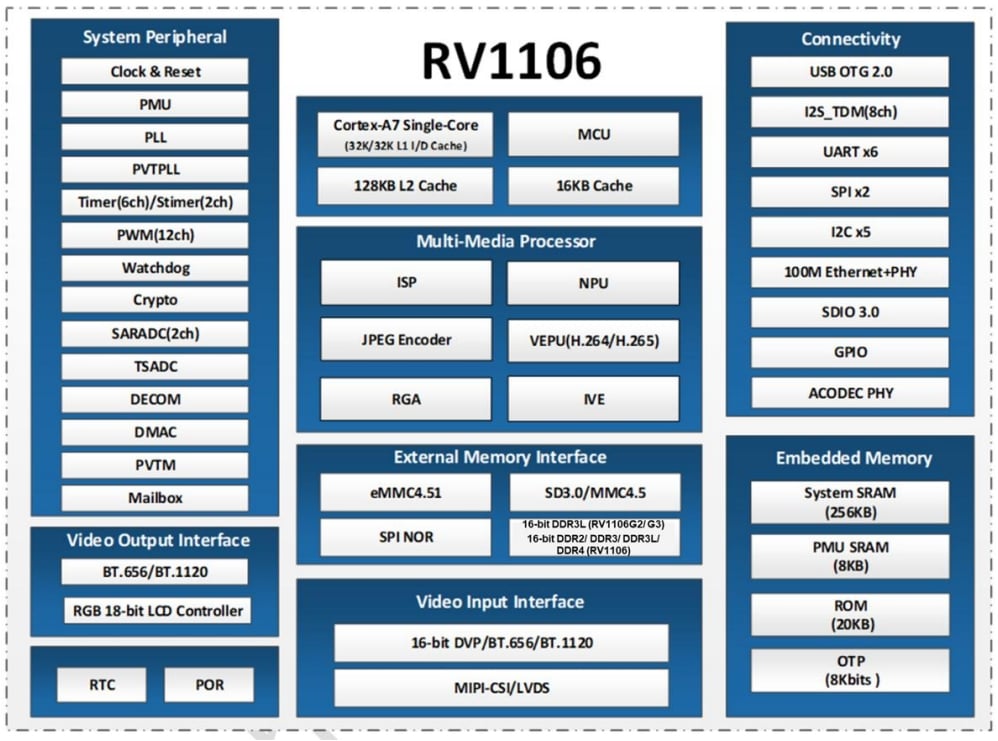
Video input interface hardware resources:
After image preprocessing, the ISP outputs YUV data. VENC supports all six rate-control modes specified in the datasheet.
Boot storage options: SPI Flash, eMMC 4.51, and SD/MMC. Firmware can be downloaded through USB or UART.
On-chip memory: 256KB shared SRAM, 8KB PMU-SRAM, 20KB Boot ROM, and 8K-bit OTP.
2 RKNN Toolchain and Model Quantization Deployment: The NPU supports mixed INT4, INT8, and INT16 quantization, while RKNN-Toolkit2 performs model conversion. INT8 balances accuracy and speed, and INT4 reduces model size. A PaddleDetection object-detection rate of 25 FPS is an engineering test result. Deployment requires loading the RKNN model into the DDR memory pool and calling the inference interface through the C/C++ API.
3 Lightweight Vision Library Optimization: Embedded systems use the streamlined OpenCV-mobile library with GUI components removed to reduce size and accelerate startup. A hybrid architecture combining lightweight-library preprocessing with NPU inference reduces CPU utilization and fits the power budget of long-standby devices.
Stage |
Core Module |
Development Framework or Tool |
Performance Optimization |
Hardware Constraint |
Image Capture |
VI + MIPI-CSI/DVP |
MPP SDK |
Bind hardware paths to reduce memory-copy overhead |
Supports up to three synchronized sensor inputs. RV1106G2 supports up to 5MP at 30 FPS. |
Image Enhancement |
ISP |
Hardware register configuration |
Enable hardware image acceleration such as HDR and 3DNR |
ISP hardware supports time-division multiplexing of up to four sensors. |
Video Encoding |
VENC |
MPP VENC API |
Configure six rate-control modes and enable smart encoding |
Maximum encoding bit rate is 60 Mbps. |
AI Inference |
NPU |
RKNN-Toolkit2 |
Use mixed INT4, INT8, and INT16 quantization |
Memory resources are limited by the integrated SIP DDR or external DDR configuration. |
Vision Processing |
Cortex-A7 CPU |
OpenCV-mobile
|
Remove unnecessary software modules to reduce system load |
In AOV sleep mode, prioritize powering down the CPU. |
Hardware resources: Chip Integrated 10/100M Ethernet MAC and PHY (RMII Interface). An SDIO 3.0 interface supports external Wi-Fi and Bluetooth modules, and USB 2.0 OTG is integrated. Peripheral resources include five I2C interfaces, two SPI interfaces, six UART interfaces, and an I2S audio interface.
Ethernet provides a reliable wired backbone. An external Wi-Fi 6 and Bluetooth 5.2 module can be connected through SDIO for flexible wireless provisioning. Heartbeat reporting and automatic reconnection keep the network link available.
Smart Encoding 2.0 is an upper-layer SDK software algorithm that supports adaptive bit-rate adjustment. Compared with conventional CBR fixed-bit-rate operation, it can reduce bandwidth use and storage requirements.
The audio subsystem integrates a hardware audio codec with a dual-channel 24-bit ADC and a single-channel DAC. The typical signal-to-noise ratio is 90 dB, and both differential and single-ended microphone inputs are supported.
Buildroot is used to build the embedded Linux system, streamline the kernel and application services, and support OTA firmware updates.
The chip includes a complete hardware security engine with a hardware cryptographic unit supporting SHA-1, SHA-256, AES, DES, TDES, RSA, ECC, and SM2 algorithms, along with a true random-number generator and secure OTP. TrustZone and secure boot are supported. These functions enable firmware encryption, secure key storage, and hardware-software security-domain isolation for privacy protection in security products.
Core Requirement |
Recommended Configuration |
Key Interfaces |
Hardware Constraint |
|
Low-Power IPC or Smart Doorbell |
Long-standby AOV and night vision |
RV1106G2
|
MIPI-CSI,
|
Maximum 5MP at 30 FPS |
Industrial Optical Barcode Scanner |
High-speed capture and triggered acquisition |
RV1106G3
|
MIPI-CSI, UART, GPIO |
Maximum 8MP at 15 FPS |
Smart Retail or Smart Shelf |
Multi-camera vision analysis |
RV1106 BGA
|
Dual MIPI-CSI,
|
Requires strict DDR power-supply design |
In-Cabin DMS or Dashcam |
Wide-temperature operation |
RV1106G3 |
MIPI/DVP, Ethernet, USB OTG |
Ambient temperature: -20 to 85 C; junction temperature: <=125 C |
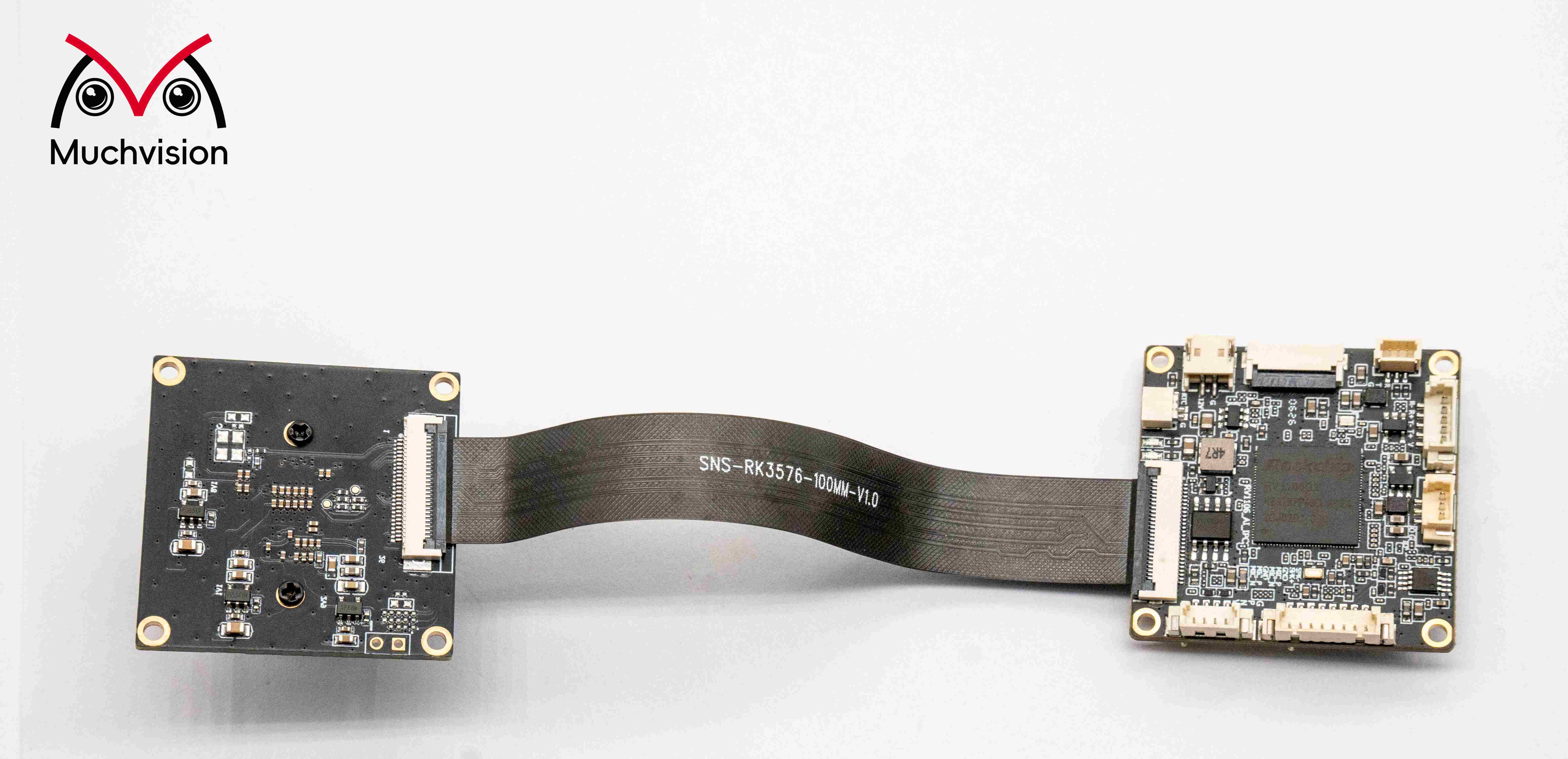
We provide RV1106-based PCBA hardware design and customized complete vision solutions, including schematic and PCB design, component selection, low-level driver adaptation, algorithm porting and debugging, and complete-system integration. For questions about chip selection, hardware design, software migration, performance optimization, or customized projects, contact us for technical support: [email protected]
 Hot News
2026-09-18
2026-09-09
2026-09-02
2026-08-28
2026-08-26
2026-08-24

 EN
EN